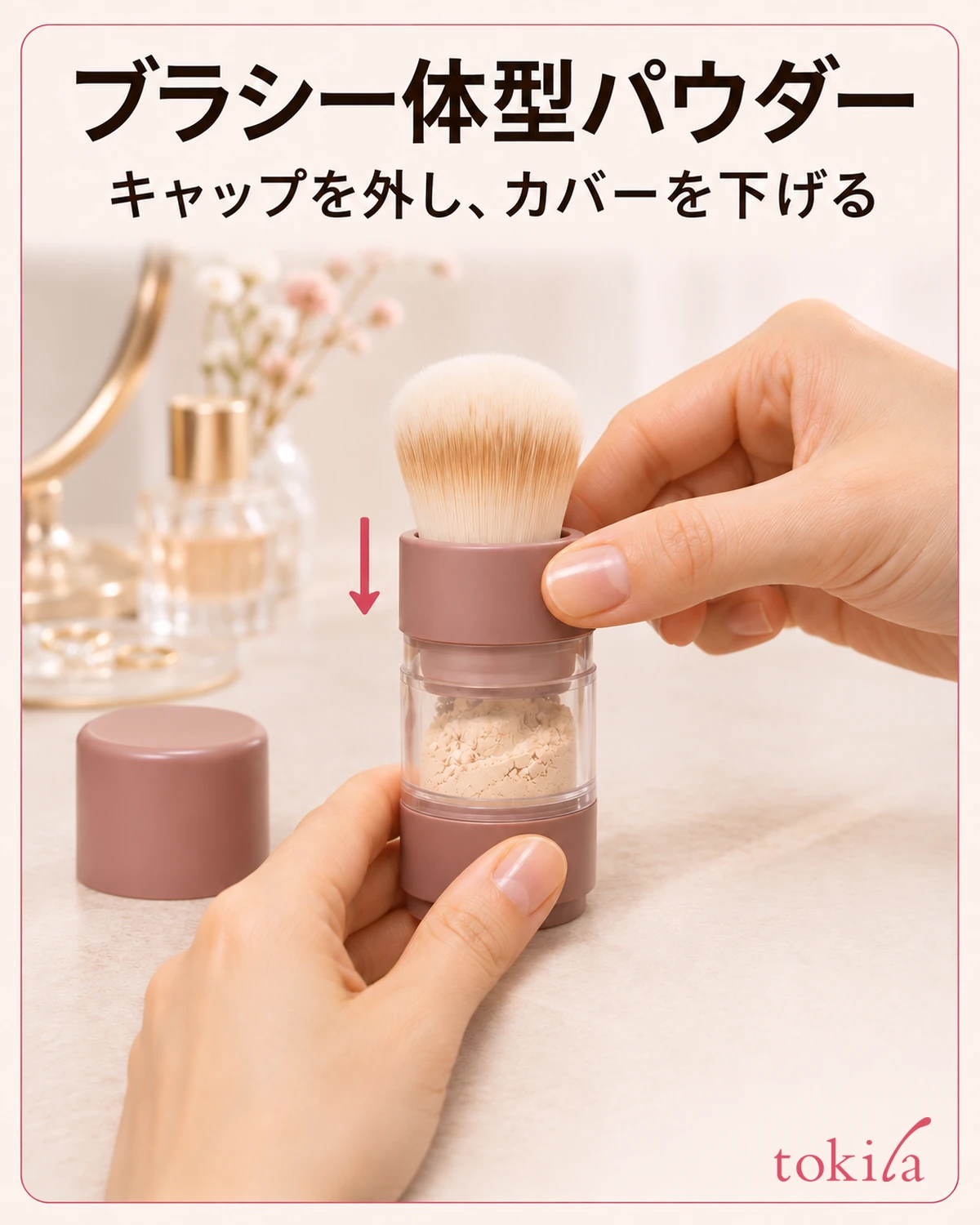
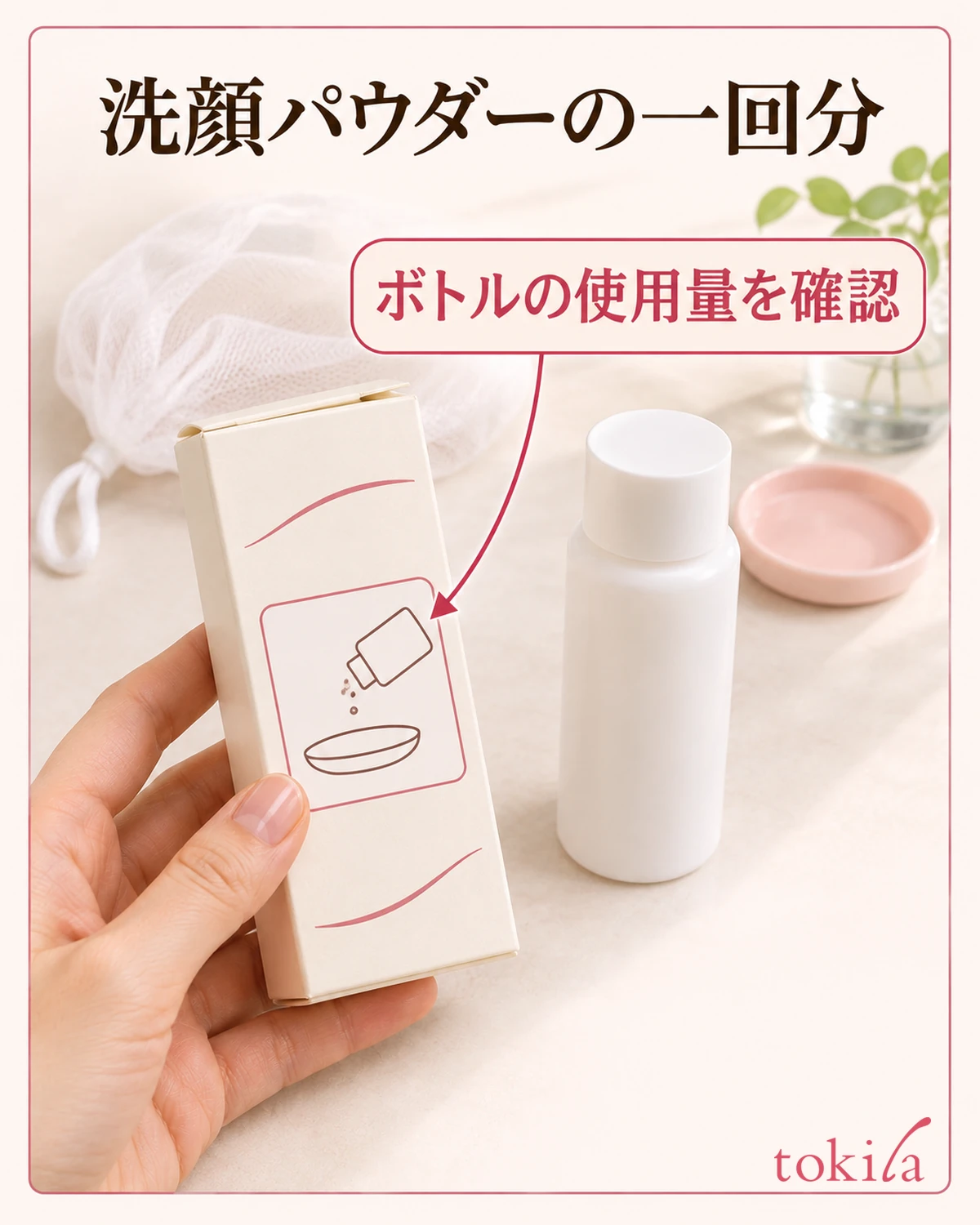
The sponge that comes with your powder foundation may give your cheeks the coverage you want but leave the edges of your face looking just as heavily made up. If your powder can be applied with a brush, start on the inner part of your cheek and blend the powder left on the bristles outward. Decide which areas to check up close and which to view from a step back. This makes it easier to tell where you need more powder.
This guide uses pressed powder foundation, such as the kind sold in a compact. It is a base makeup product applied after preparing the skin. It differs from finishing powder in what you apply before it and where you want to use it.
1. Check whether your powder foundation can be applied with a brush
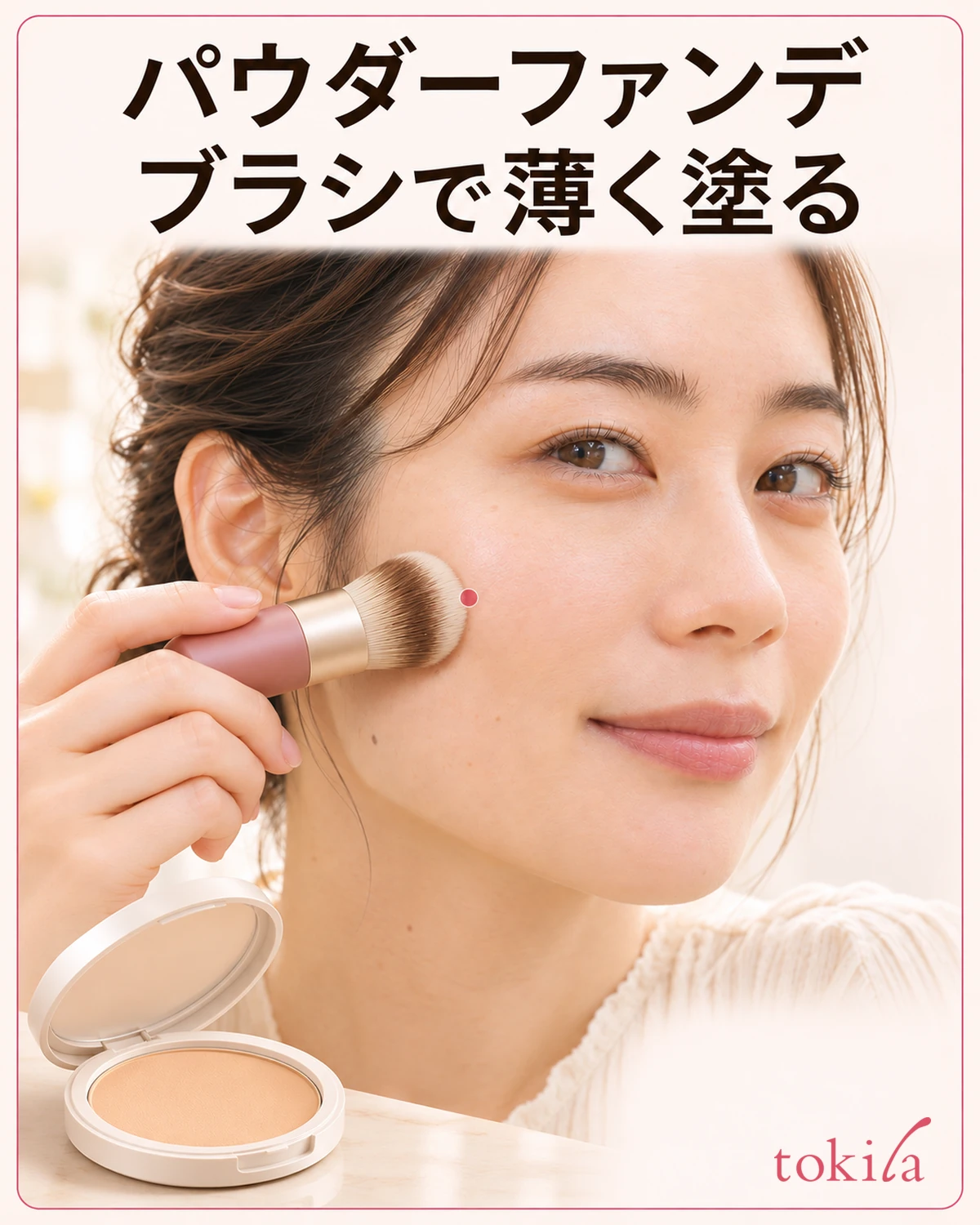
First, read the directions on the container or box to see which tools you can use with your powder foundation. If the product gives separate instructions for a sponge and a brush, read the brush instructions. Do not assume that the amount you pick up with the included sponge or the directions for a damp sponge also apply to a brush.
Use a clean brush suitable for powder foundation. With a rounded brush head, it is easier to see from the side how much of the brush touches the broad part of your cheek. If wide bristles make it hard to reach beside your nostrils, finish your cheeks and forehead first instead of pushing the brush into that area.
If you use primer, prepare your skin according to the directions for your primer and foundation. If the primer has streaked or pooled on your cheek, blend that area before picking up powder. The first time you try a brush, keep your usual primer and foundation. Changing only the tool makes it easier to compare the finish with your usual one.
2. Touch the bristles lightly to the powder and start with a small amount
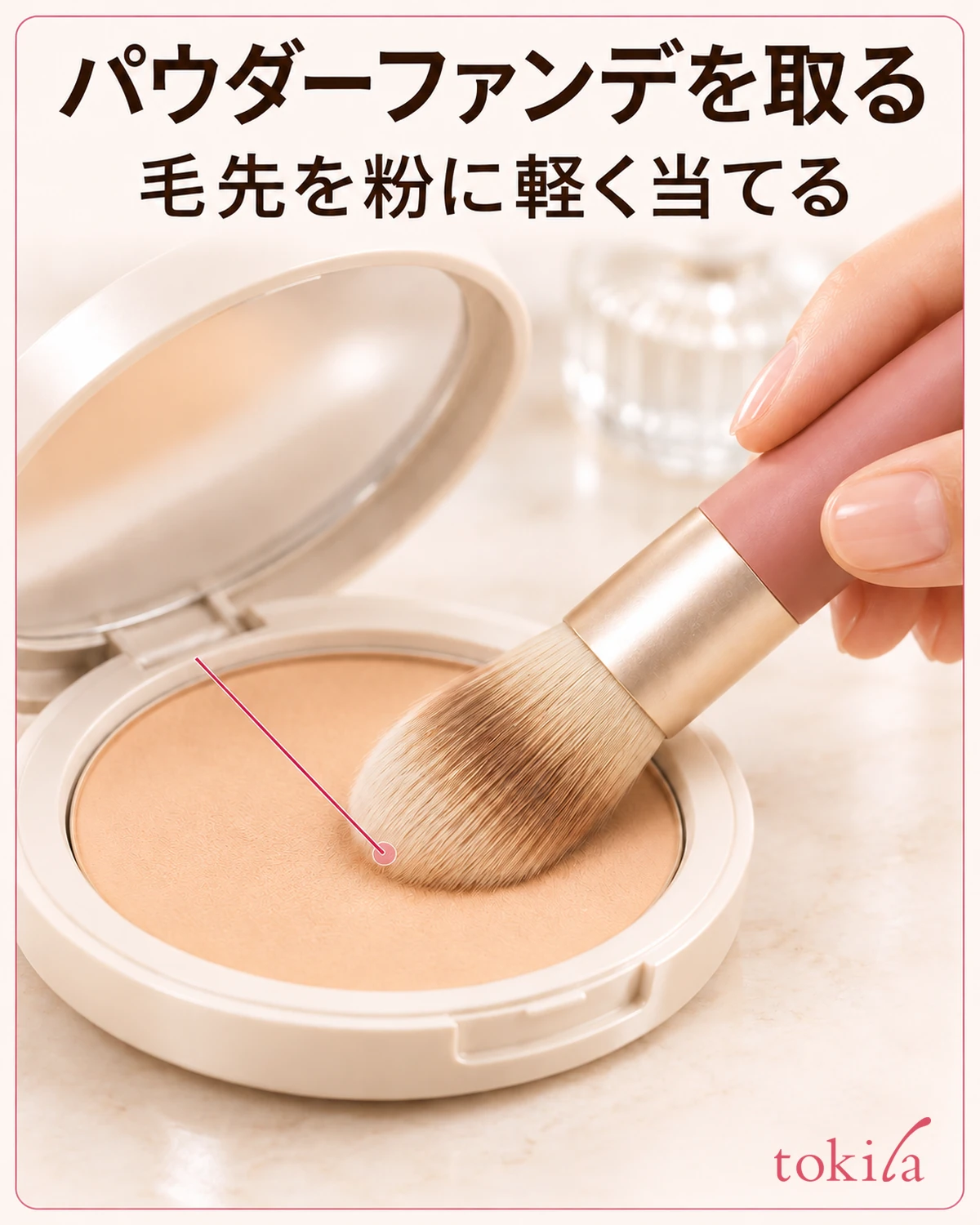
Set the compact on a stable surface. Following the product directions, touch the dry bristles lightly to the powder. If the brush is so flat that its metal band hits the case, or if the bristles fan out widely as you try to pick up powder, lift the brush and adjust your grip. For a sheer application, see where the first brushful lands before rubbing the same spot in the compact again.
Before bringing the brush to your face, turn the bristles toward the light. Check whether they are lightly dusted across the tips or whether the powder has clumped at one edge. If it is concentrated on one side, transfer a little to a clean, dry tissue to even out the amount. To see whether you picked up any powder, look at the bristles before checking the compact.
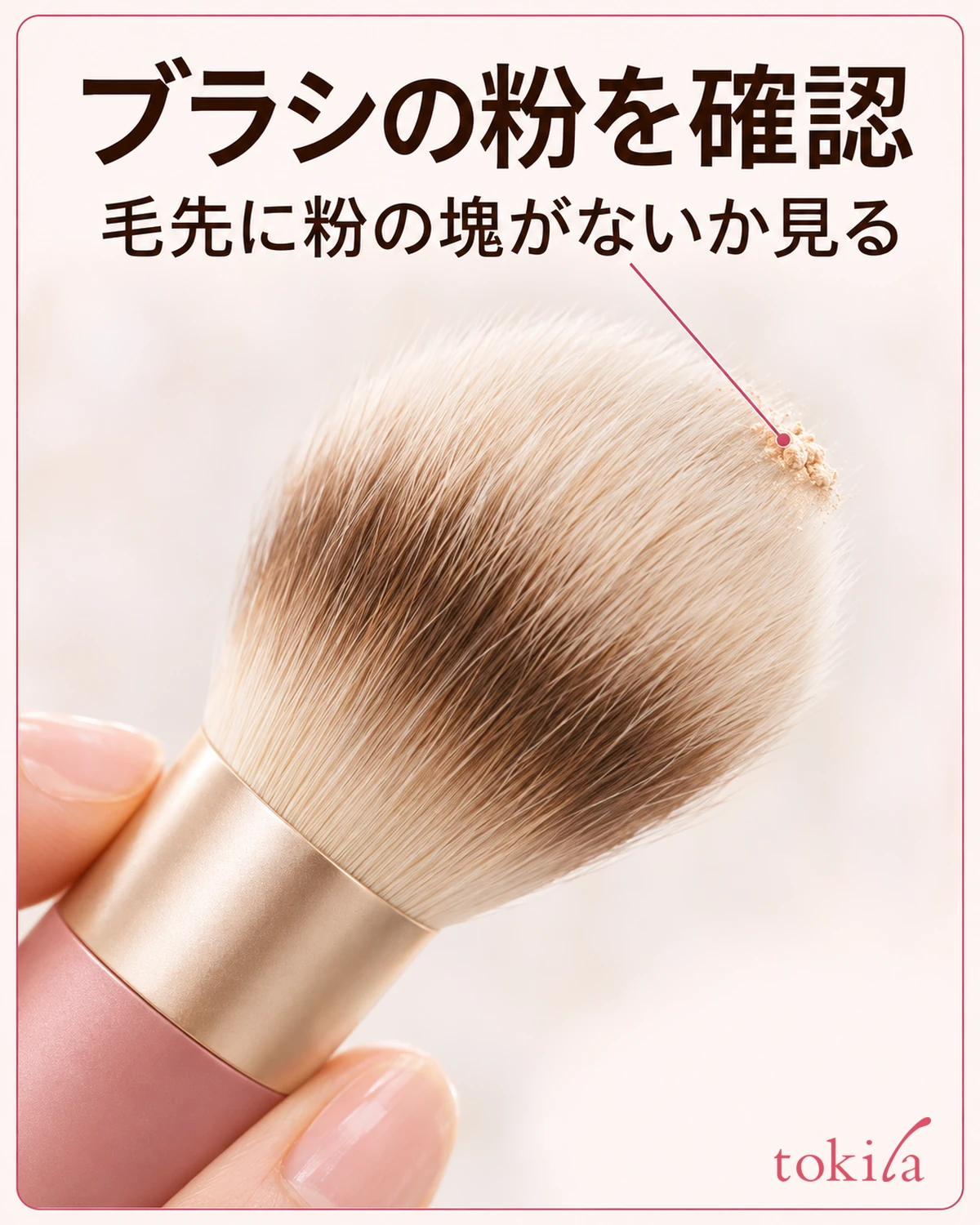
If pressing the brush down barely picks up any powder, avoid rubbing repeatedly. Check whether the brush is damp or old powder has hardened on the bristles. If there is a hard, shiny patch in the compact, check the product's care instructions. Our guide to what to check when powder foundation won't pick up on a sponge also explains how to tell whether the problem is the surface of the powder or the tool.
3. Move the brush lightly from the middle of the cheek outward
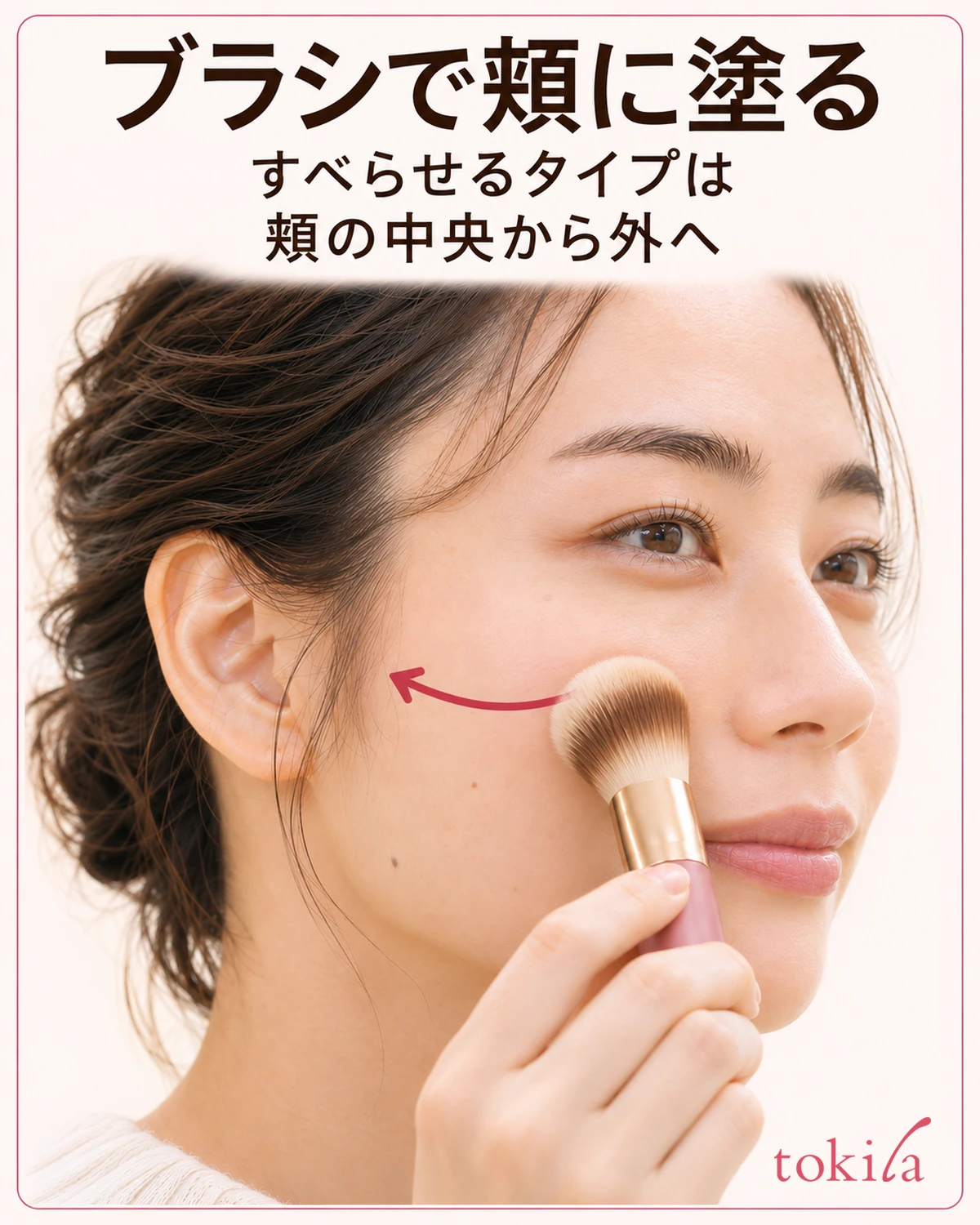
Once you have picked up some powder, see how it goes on one cheek first. Place the brush where you want coverage. Starting right beside your nose or just under your eye can concentrate powder in a small area, so first place the brush where its full width fits on your cheek. If the product calls for sweeping outward, move the tips lightly from the center of the cheek toward the area just in front of the ear.
If the foundation or brush instructions call for lightly pressing the powder onto the skin, apply it a little at a time as directed instead of sweeping. Either way, there is no need to press hard until the area you notice is covered. Check one part of the cheek before doing the rest. If the brush picked up too much, you can then load less next time.
Before doing the other side, step a little away from the mirror. Redness or shadows may sit in different places on the two sides, so the same motion can look different. Use the amount of coverage on the first cheek as your guide, start lightly on the second, and stop when you have enough. If you are applying foundation to your forehead too, spread it thinly from the broad part of the forehead rather than putting powder directly on the hairline.
4. Use the powder left on the bristles around the nose and face

After finishing your cheeks and forehead, look in the mirror beside your nostrils and along your jaw before picking up more powder. If those areas blend naturally into the surrounding skin, you can leave them alone. Where you want to blend a little more, use the powder already on the brush. If a wide brush does not fit neatly beside the nose, turn it so you can use the edge of the bristles rather than gripping it tightly and pushing it in.
A straight-on view makes it harder to see the line along the side of your jaw or the color in front of your ear. Turn your face slightly to see how the color transitions from cheek to jawline to neck. Trying to hide a line by adding fresh powder all the way from your ear to your chin can create another edge. Before making a change, look from another angle to see whether the line comes from the thickness of the powder or from a natural shadow.

If the color around the edge of your face consistently looks out of place even after a thin application, check your foundation shade as well as how you load the brush. For where to check the shade and what lighting to use, see our guide to choosing a foundation shade.
5. Tell uneven application from a lack of coverage before adding powder
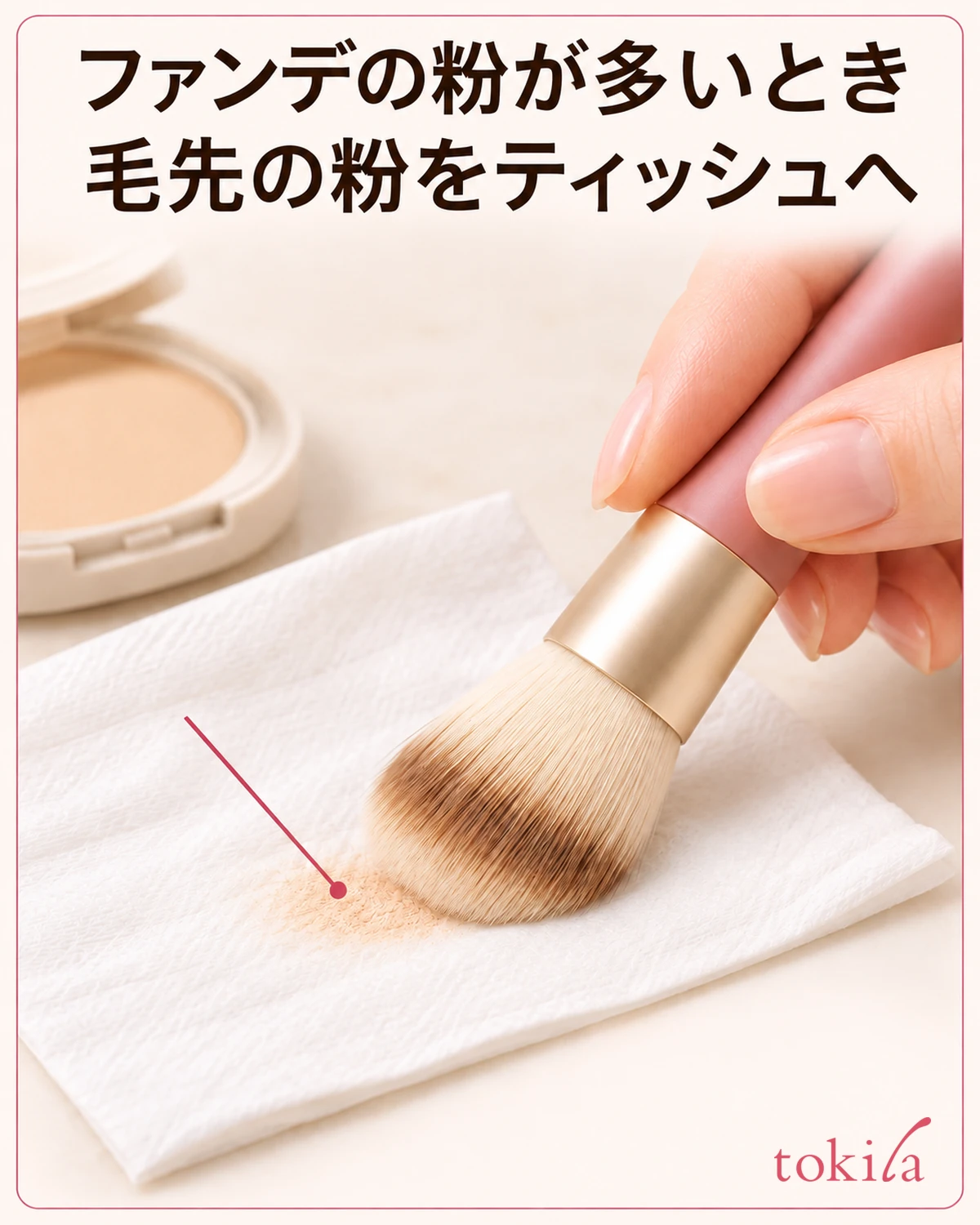
To finish, distinguish places where a little skin color shows through from spots where powder has collected. Add a small amount where you want more coverage, within the product directions, and stop before repeatedly coating the outer part of the face. If powder looks thick somewhere, remove the excess from the brush onto a tissue and lightly blend just the edge.
Looking only at pores or small differences in color in a close mirror can make you want to keep adding powder to the entire cheek. After adjusting one area, move back to your usual distance from the mirror and check the whole cheek. If you are comfortable wearing a sheer layer with some skin showing, you can stop once the edges blend naturally instead of adding coverage.
Next time, change just one thing: how much powder you pick up at first, where the brush first touches the cheek, or where you reload it. For example, if the edges looked heavy, keep your cheek application the same and start by not adding fresh powder to the perimeter. Look at the finish and keep the steps that work for your foundation and brush.