When you shop for a vitamin C serum, words like “pure,” “derivative,” and “high concentration” alone won't tell you when to apply it or how it will feel on your skin. Start by reading the ingredient name and why it was included. Then see whether it fits into your morning and evening routine and is easy to handle after opening. That makes it easier to narrow down your options.
This guide explains what to look for before buying a serum formulated with vitamin C. Instead of ranking products by one ingredient, consider how each will fit with the moisturizer and sunscreen you already use and look for one that suits your routine.
1. Use ingredient names to distinguish pure vitamin C from derivatives
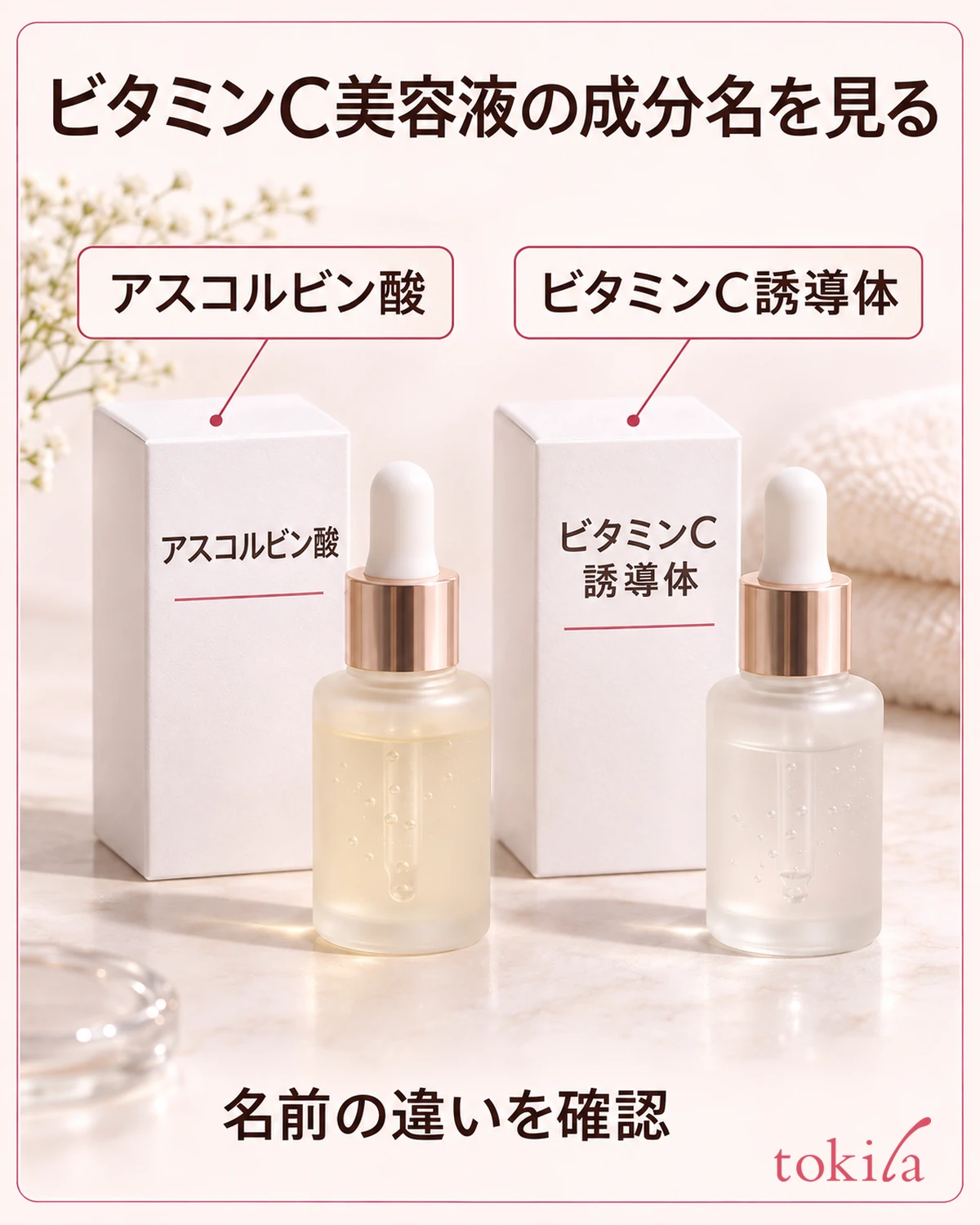
On the ingredient list, “ascorbic acid” is the name to look for if you want pure vitamin C. Vitamin C derivatives are a group of ingredients whose structure has been modified, for example to improve stability. The term doesn't name a single ingredient, so check both the footnote near “contains a derivative” on the front and the ingredient list.
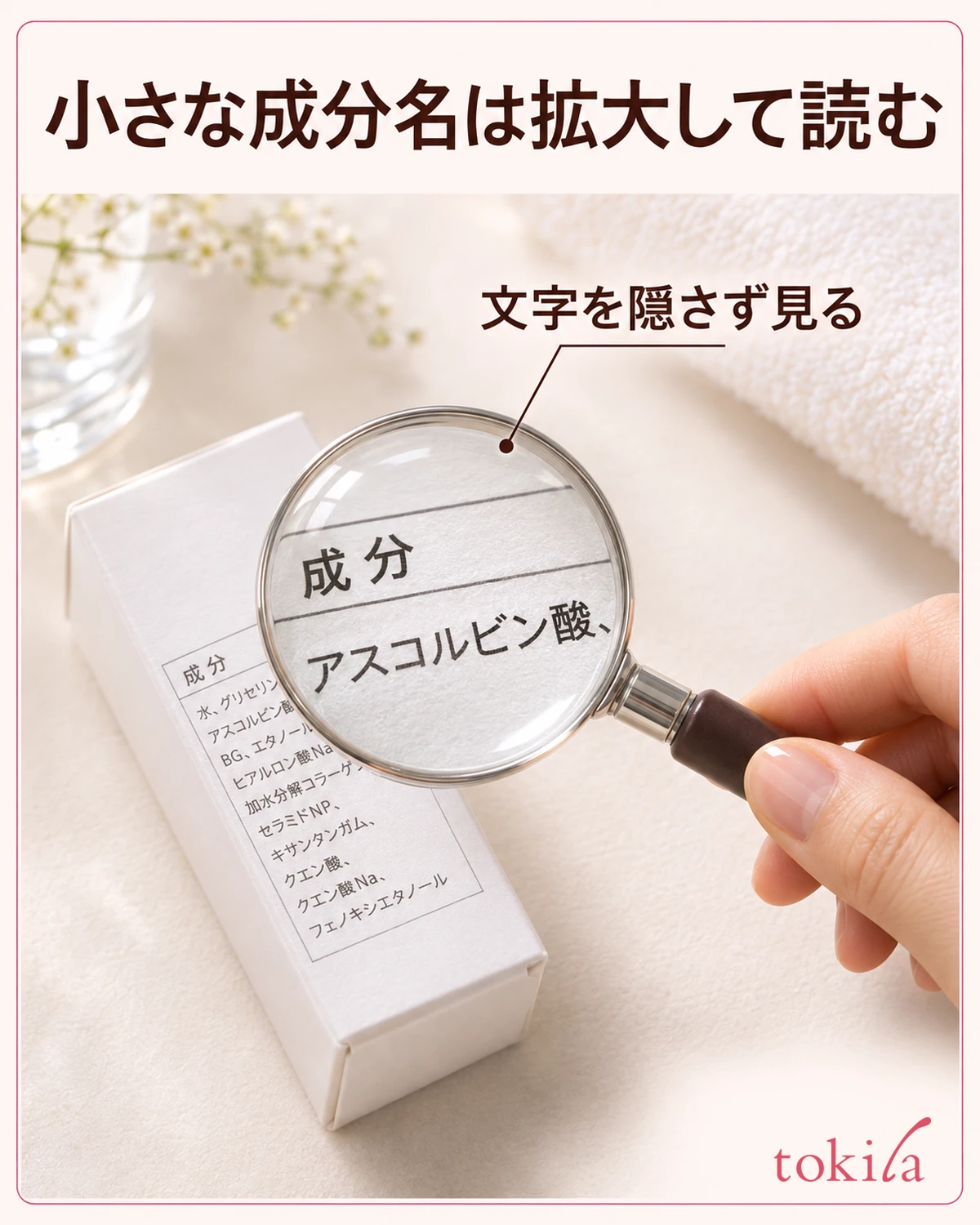
Ascorbyl glucoside and disodium ascorbyl sulfate are examples of derivatives with different names. Quasi-drugs may use different labeling names from cosmetics, so don't assume that similar endings mean the ingredients are the same. Write down the name used on each product. Use a magnifying glass or another aid to make fine print legible. Comparing the notes on two products you're considering is easier than memorizing every long name.
You can't tell that a product will suit you because it's pure or that it won't irritate you because it contains a derivative. Serums contain ingredients besides vitamin C, and how they feel depends on the whole formula. Once you've identified the difference, move on to the purpose and directions without ranking the ingredients. If a product hasn't suited you in the past, keeping a note of its name and what happened can help you explain it when seeking advice.
The letter “C” or a picture of citrus alone doesn't tell you which ingredient the serum contains. Consider the impression the package makes separately from the ingredient name in its notes. When comparing a product with one you already own, don't assume a container of the same color means it's the same type. Read the current label on the product you're buying.
2. Check the ingredient's purpose and whether the product is a cosmetic or a quasi-drug
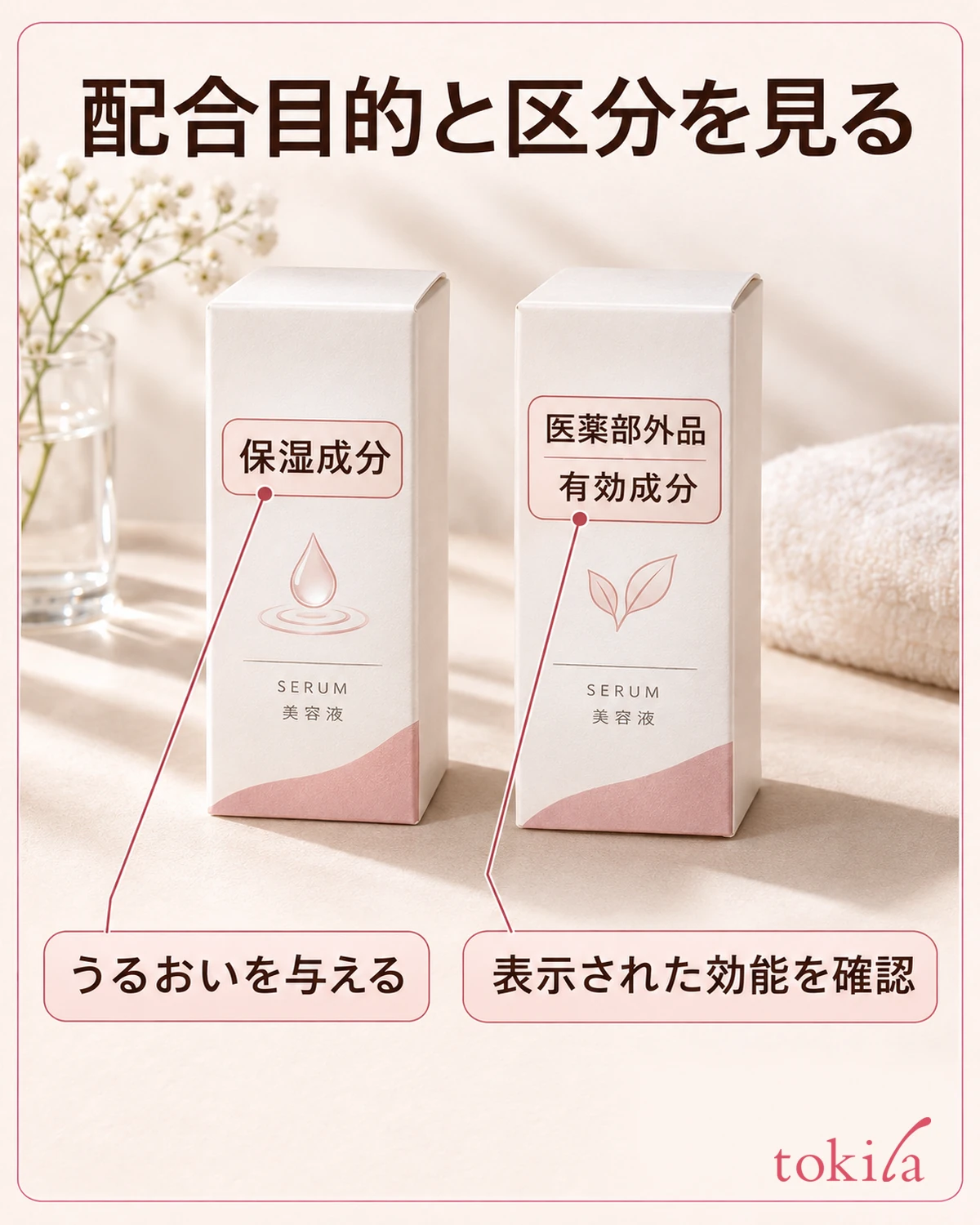
Next, check why vitamin C was included, for example as a moisturizing or skin-conditioning ingredient. If there's a small symbol after the ingredient name, follow it to the corresponding note. Read the prominent wording in context, tying it to what the product says it does, such as adding moisture or conditioning the skin.
If you're looking for a skin-brightening product, check for the quasi-drug label, the active ingredient, and the explanation of the effects approved for that product. Here, skin brightening means suppressing melanin production to help prevent dark spots and freckles. That's different from removing existing spots or guaranteeing that skin itself will become lighter. A serum does not have the same effects as another simply because both mention vitamin C.
If your main goals are moisture and skin conditioning, cosmetics formulated for those purposes are also options. You needn't take the quasi-drug classification as a sign that a product will always feel better or suit you better. Decide first whether you want moisturization or a product with a particular approved effect, so you don't rank serums designed for different purposes on the same scale.
For example, if one formula includes vitamin C as a moisturizing ingredient and the other as an active ingredient for skin brightening, revisit your goal before comparing the numbers. Even terms like “radiance” may be qualified in the product description, for example as an effect of hydration. Read the qualifier to check whether it matches what you thought the term meant.
3. Read the footnotes to find out what the percentage measures
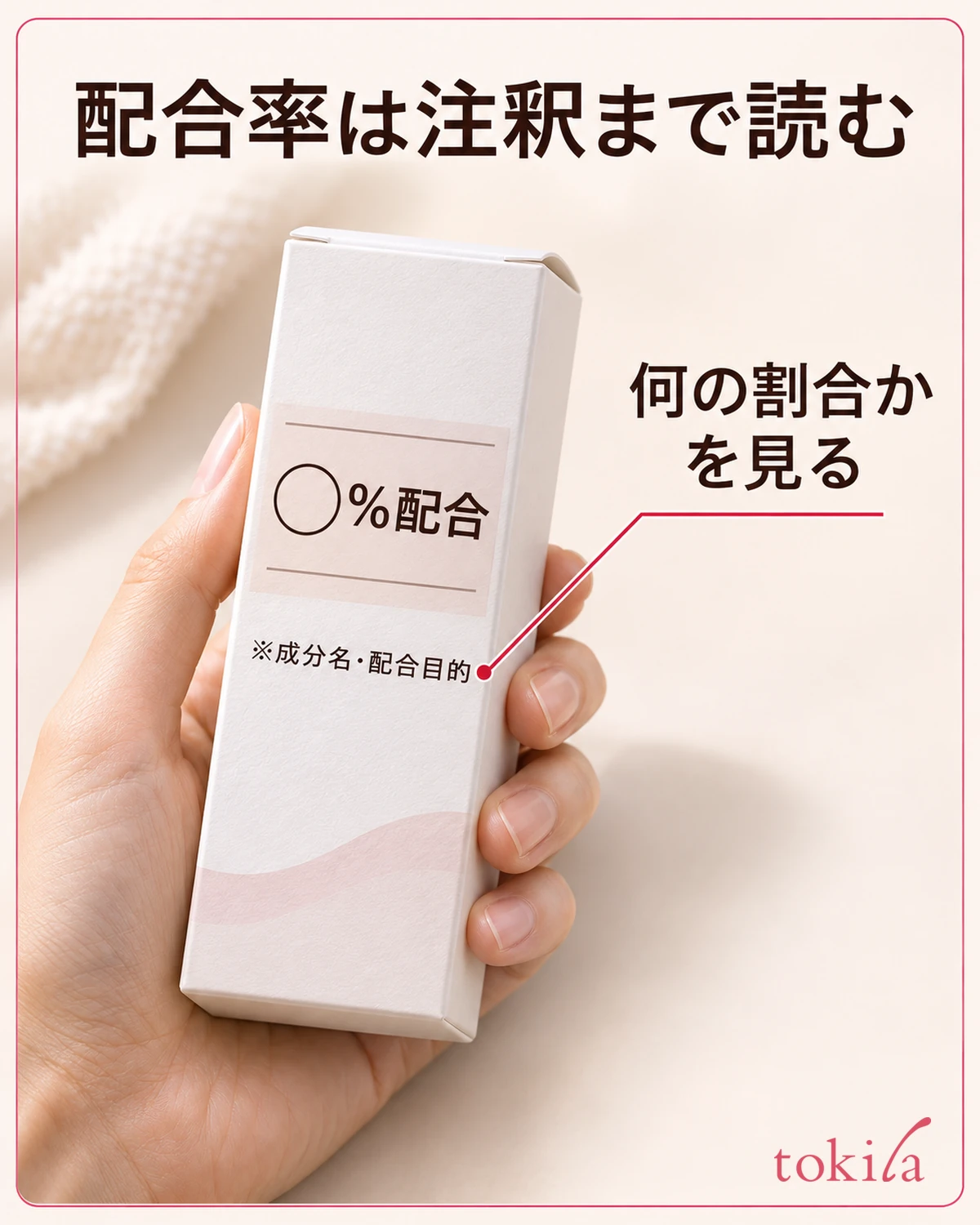
If a serum lists a percentage, check what it contains at that percentage. The same figure means different things depending on whether it refers to pure vitamin C, a particular derivative, or several ingredients combined. Find the symbol next to the number and its corresponding footnote, and read the ingredient name and purpose together.
If “high concentration” has a qualifier, check the scope of the comparison. A statement such as “within this range” doesn't mean the product has the highest concentration of all serums. When comparing with a product you've used before, don't rank potency or feel by percentage alone if you don't know whether the numbers refer to the same type of ingredient.
Choosing a higher percentage and using less each time is different from following the product directions. Read the specified amount and frequency before buying and check whether you can follow them. You don't need to rule out a product simply because it doesn't list a concentration. You can still compare the purpose of the ingredient and ease of use.
If you make notes on your options, use separate columns for the ingredient name, what the percentage refers to, and the amount to apply. Don't calculate a concentration from the ingredient list or estimate it from the depth of the liquid's color. Leave figures you can't confirm blank and compare using the details you can verify.
4. Check when to use it and how it fits into your routine
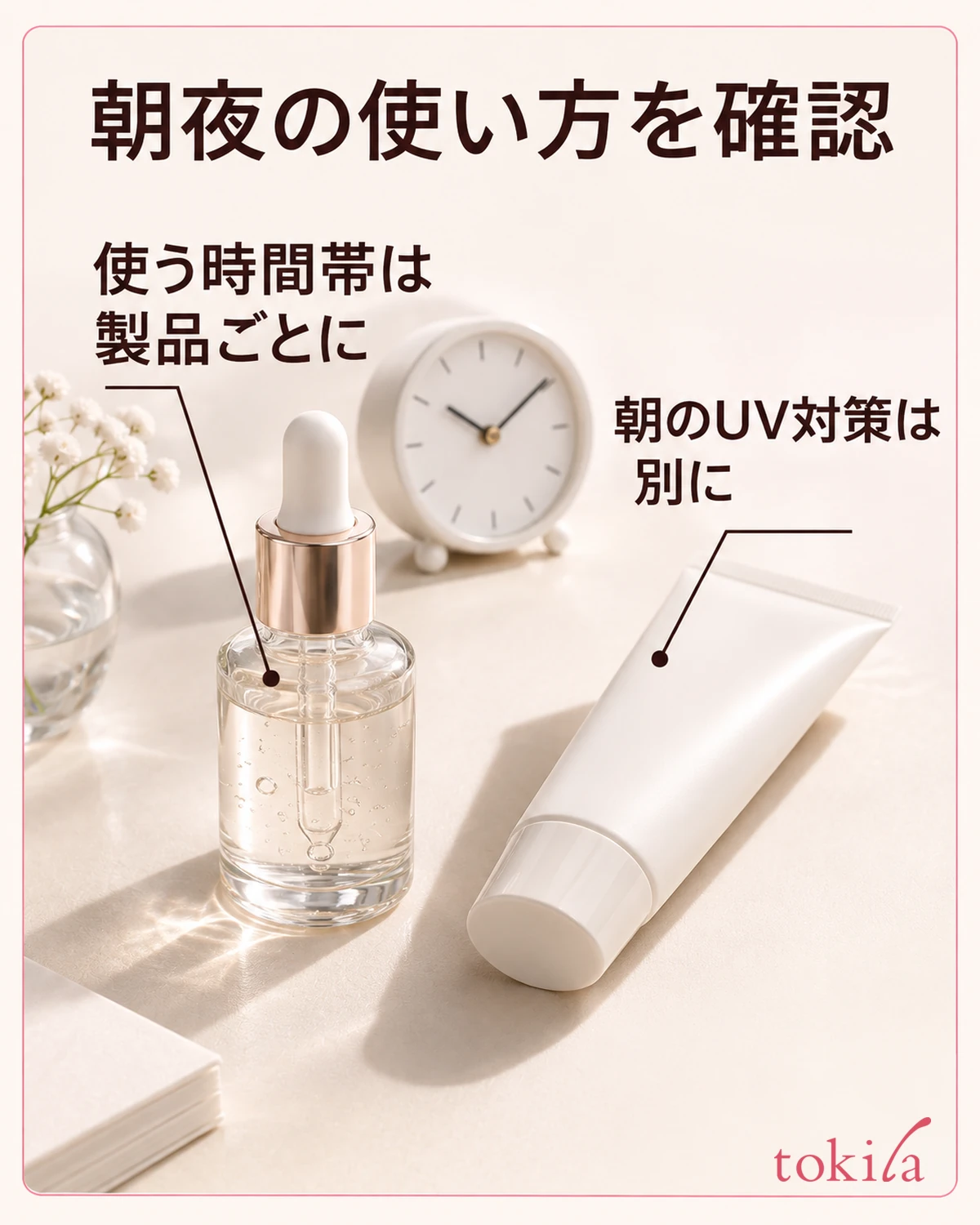
Before buying, check the recommended time of day and application order. The name “vitamin C serum” doesn't make it a nighttime-only product. Some can be used morning and night, but follow the individual directions for frequency and whether to apply before or after toner. Make sure you can fit it in at the time of day you plan to use it.
If you plan to use it in the morning, consider the emulsion or cream, sunscreen, and makeup that follow. Vitamin C doesn't make a serum a substitute for sunscreen, so plan your UV protection separately. If you already use a serum, decide what you want each product to do before adding a new one. When deciding on the order, see what to check before layering serums.
If a tester is available, follow the store's instructions and check how it feels as you spread it, how it smells, and whether it's sticky once it settles. Liking the feel on the spot is different from knowing it will suit your skin with continued use. If you can't try it, check the information provided for each product, such as its consistency and whether it has a fragrance.
On the first day, keeping track of what changed is easier if you avoid introducing several new skincare products at once. If you notice redness, itching, irritation, or other unusual symptoms, stop using it instead of taking them as a sign that it's working. Consult a dermatologist or another qualified professional as needed. If the product provides specific instructions for checking suitability before use, follow those first.
5. Check the packaging and how to handle it after opening
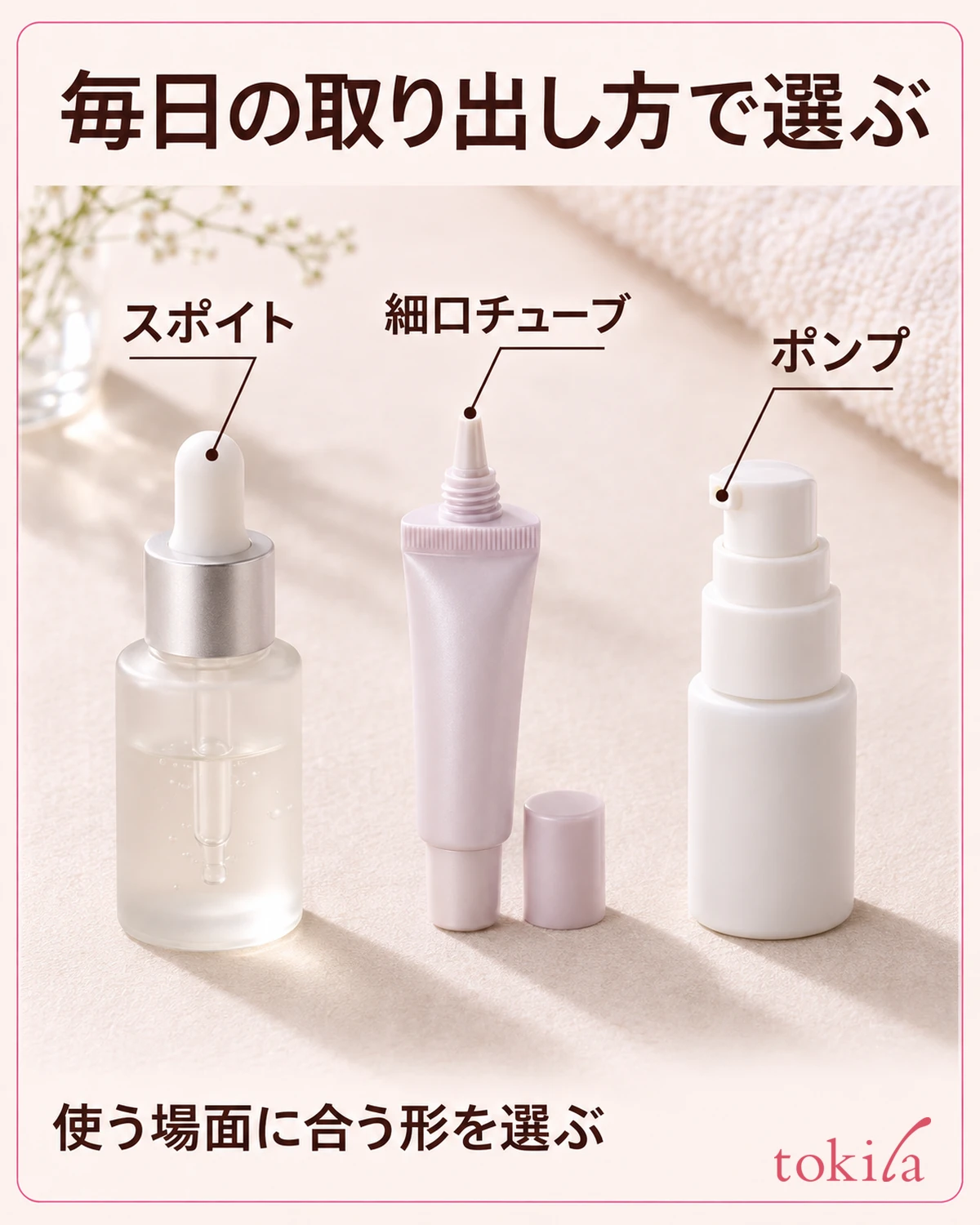
Droppers, narrow-tip tubes, pumps, and single-use packs dispense serum in different ways. Follow the container instructions after use, such as closing the cap, and think about how you'll handle it until the next use. Choose for your routine, whether you want something quick to use in the morning or a design that makes it easy to dispense a set amount. The color and shape of the packaging alone don't tell you how stable the ingredients are or which product is higher quality.
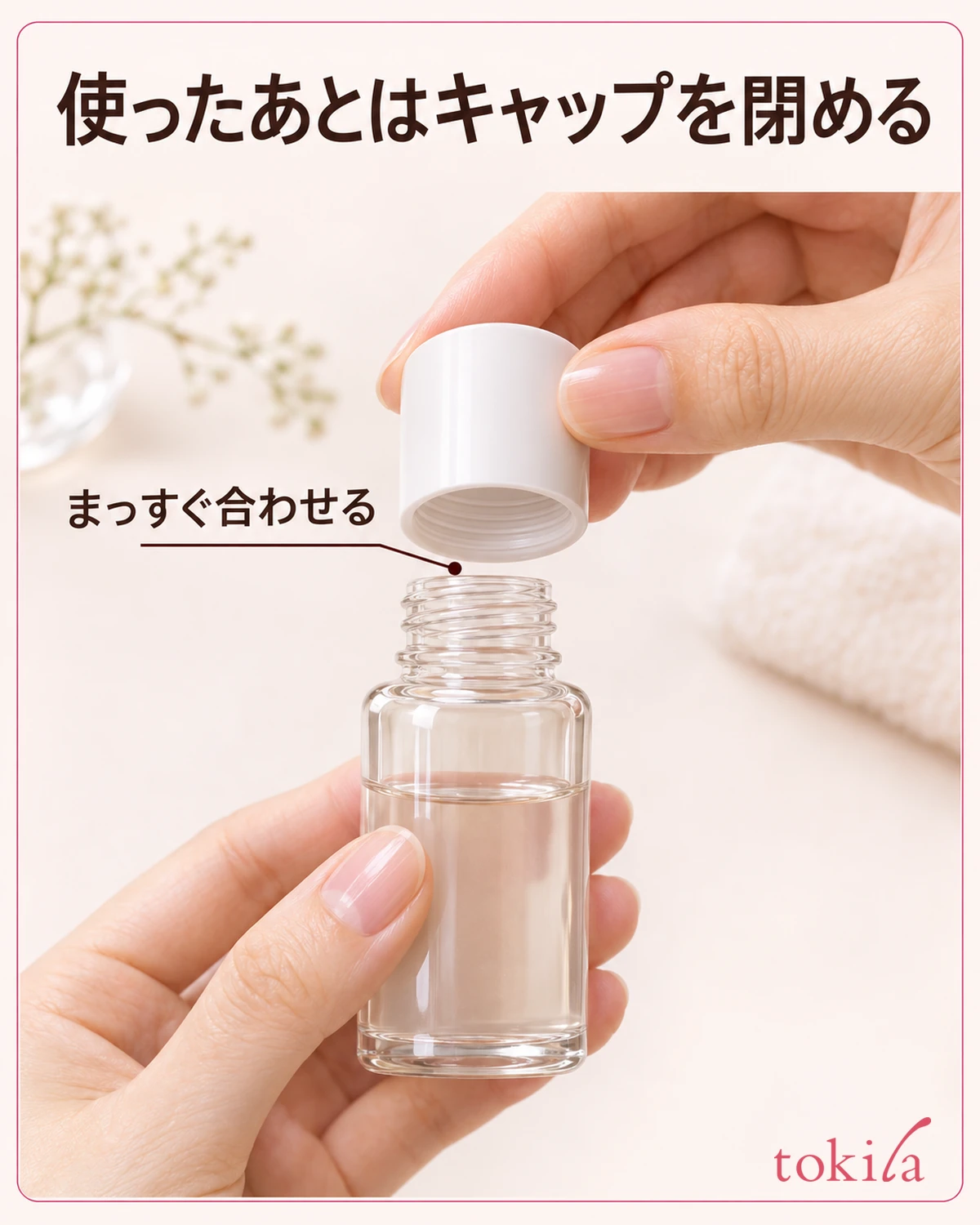
If the label gives a recommended period of use after opening or storage directions, check those along with the volume. For a product whose two components are mixed before use, how you handle it once mixed also matters when deciding whether to buy it. Don't assume refrigeration works for every serum. Choose a place that meets the directions for temperature and direct sunlight. For the initial mixing step, see how to start using a two-part serum.
If you're down to two options, compare whether the label matches your purpose, where it fits into your morning or evening routine, and whether you can follow the directions for amount and storage. When comparing price, check the amount per application as well as the volume. Don't assume you know how many uses you'll get out of a bottle if you can't tell from the label.
Once you've chosen, keep the carton or instructions so you can check the application order and storage directions later. Next time you buy a serum, instead of aiming for a higher number, choose one thing you'd like to change: how it feels, how easily it dispenses, or how well it fits into your routine. That makes it easier to narrow down the options.