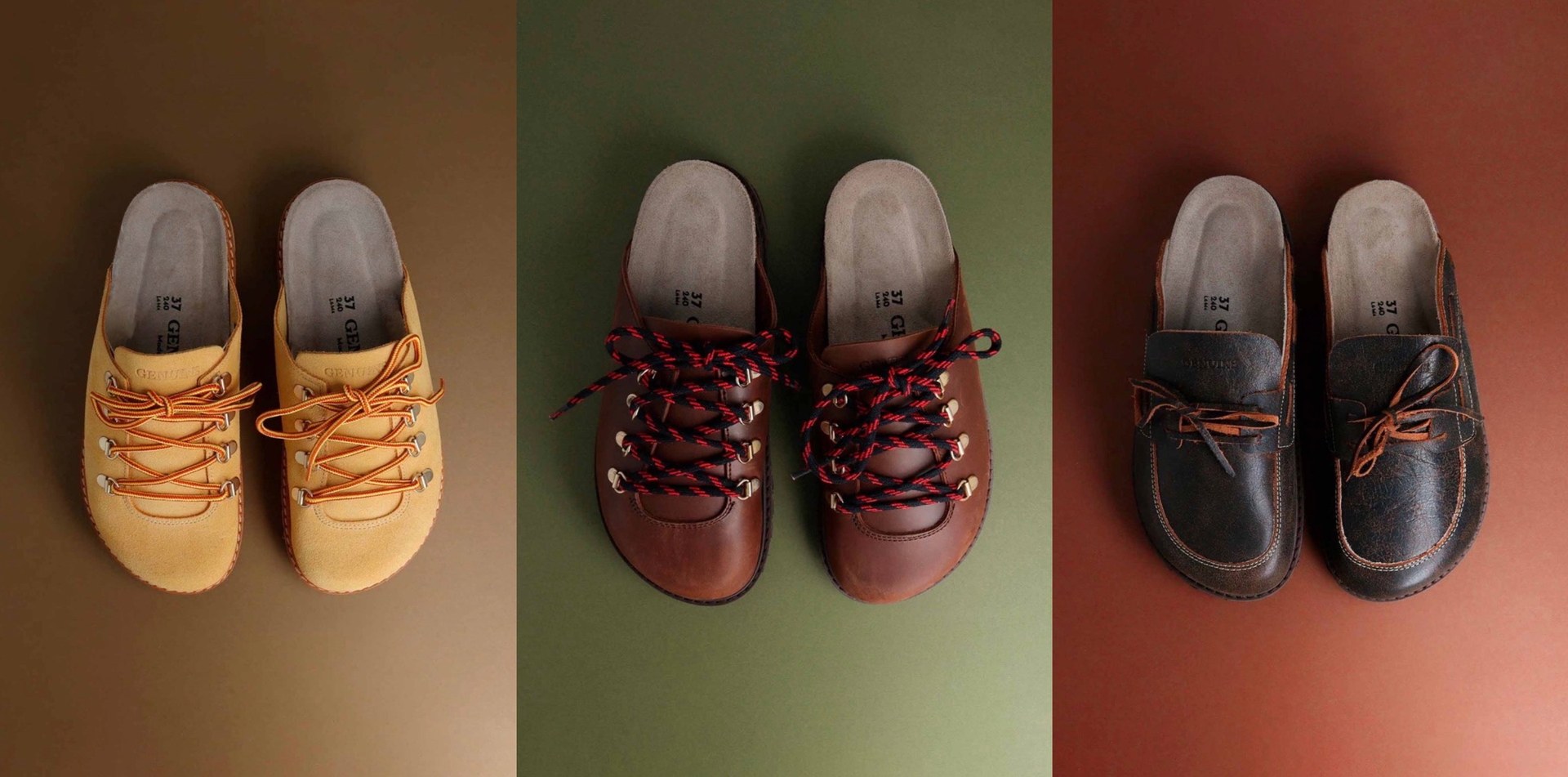
Mascara has stayed on the teeth of your finishing comb, and by the next time you use it, it has hardened into a lump. When that happens, don't try to get it off by running it through your lashes; check the condition of the tool on a desk, away from your eyes. If you start using it without being able to see between the teeth, it also becomes hard to tell where the residue is.
This article covers the care of a separate lash comb used to finish mascara, not an applicator comb that you pull out of a container of product. The same way of washing should not be applied to electric eyelash curlers or comb-type removers. Check the material and the product's labeling first, then go back over the steps from the end of use to storage in order.
1. Confirm it is a finishing comb, and look at it away from your eyes
First, confirm what the tool in your hand was made for. The conditions for care differ among an applicator built into a mascara container, the part that picks up remover liquid, and a separate finishing comb. Don't decide on your own to detach something that goes back into a liquid container and wash it in water.
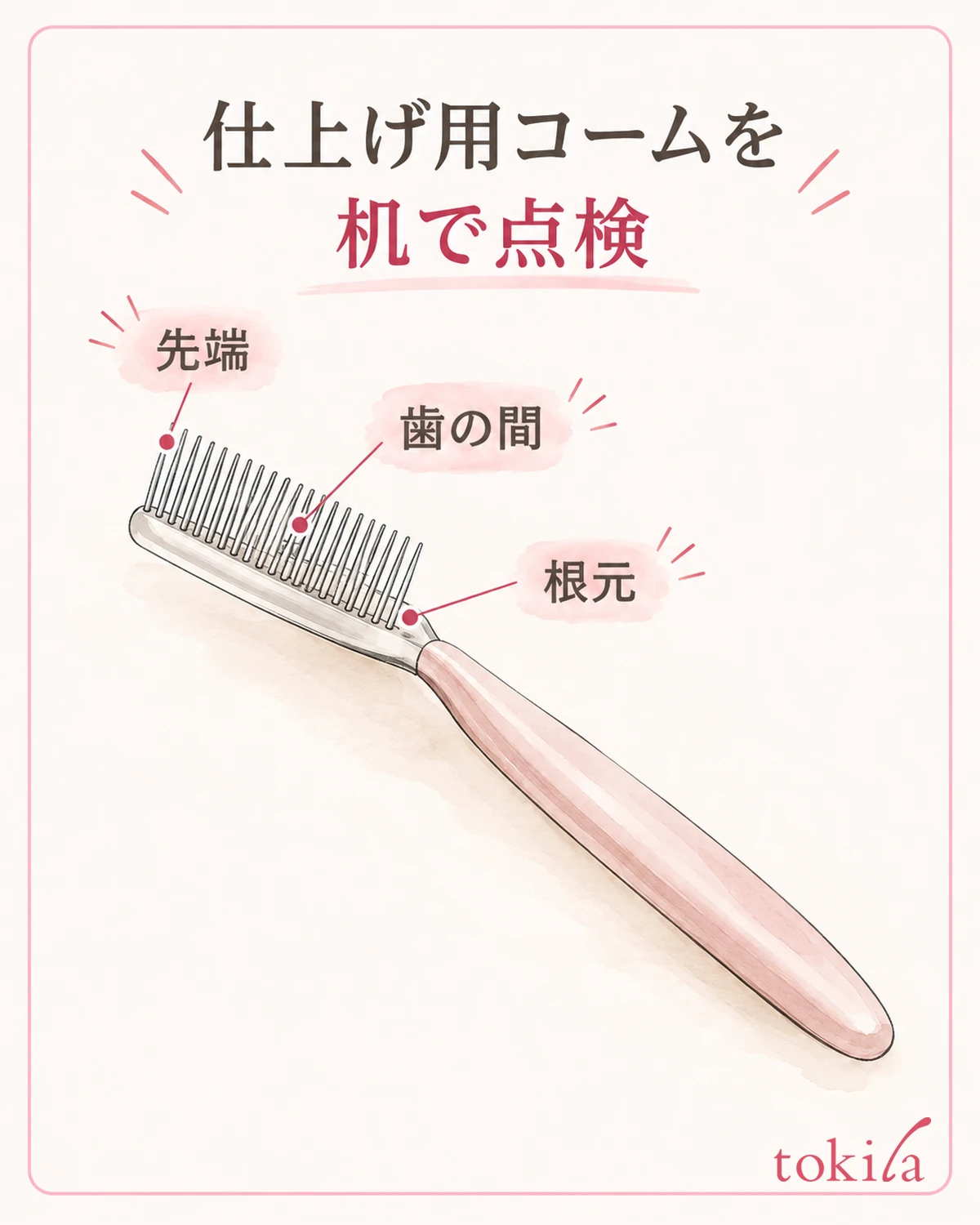
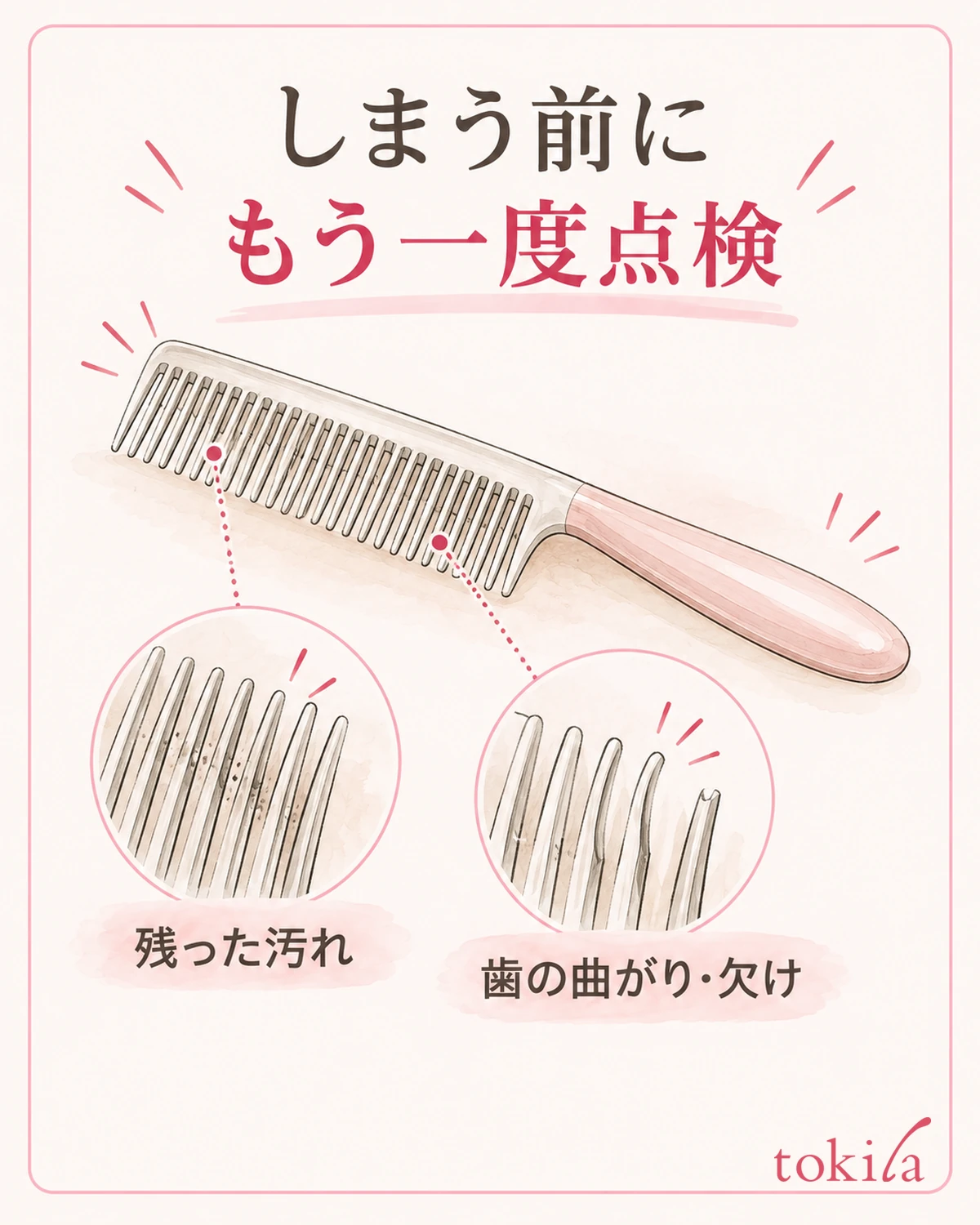
If it is a finishing comb, place it on a clean, bright desk and follow it with your eyes from the tips of the teeth to the base. Tell apart whether the color is on the tips, whether there is a lump bridging the gaps between teeth, or whether it is left in the groove at the base. A color that looks faint is also not the same as the residue being gone.
If it is hard to judge in one look, don't trace the tips with your hand; slowly turn the handle to change the angle. Avoid running your fingers along the teeth, pinching them with a nail, or bringing the comb close to your eyes to check. For a tool with sharp tips, make a viewing angle your priority rather than checking by touch.
If any teeth are bent or chipped, stop using it before you move on to removing the product. Don't straighten a bend with your fingers or pliers and then use it near your eyes as it is. Separate leftover residue from damage to the parts, and if you can't tell whether it is usable, check with the product's support contact.
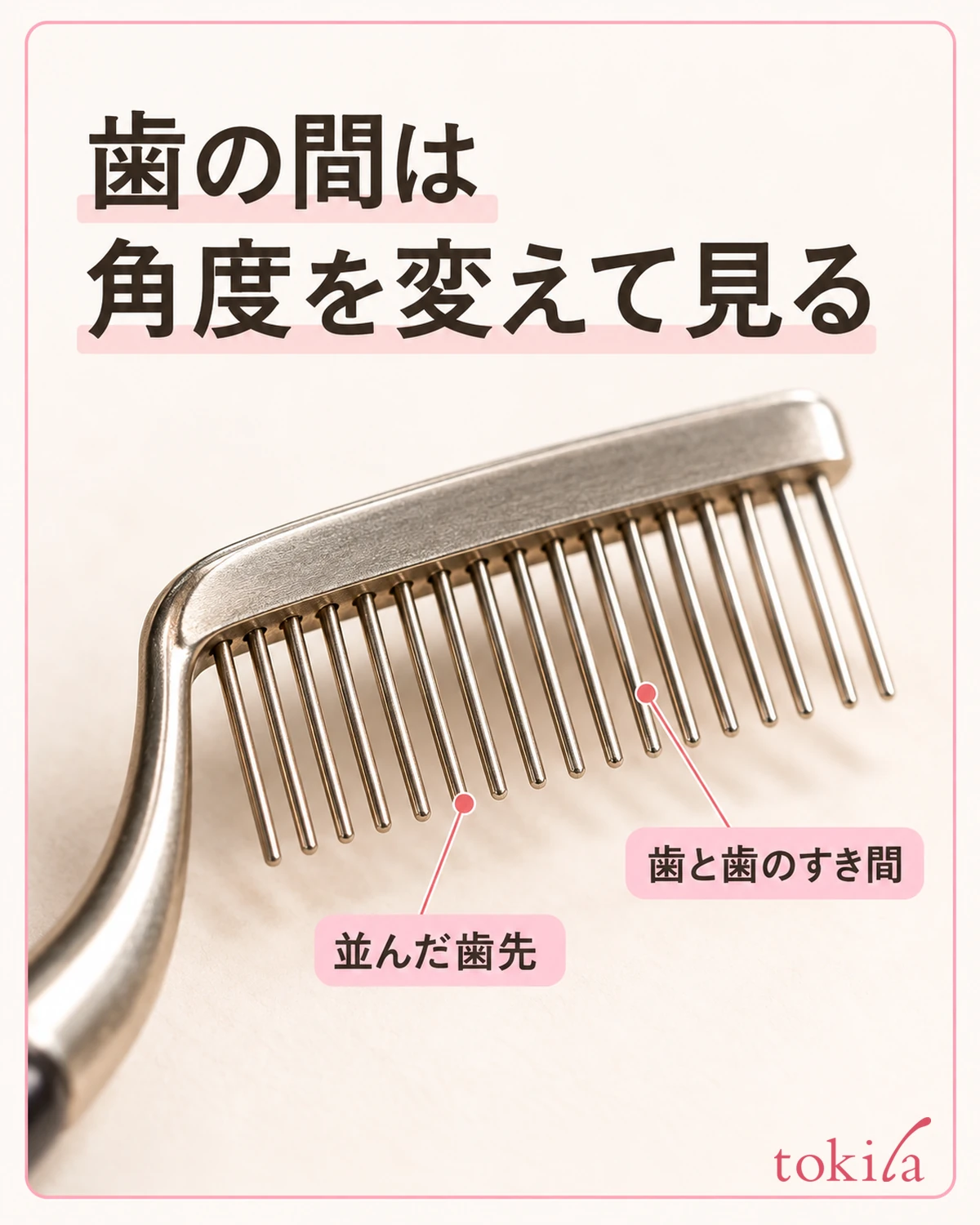
It is also important not to guess the intended use or the way to wash it from the width or number of the teeth alone. Even with a similar shape, electric parts and applicators that pick up liquid are different products. If you have thrown away the bag or the manual, check your purchase record or the model number, and don't substitute the instructions of a different product that looks the same.
Fixing clumps that have already formed on your lashes is a separate step from cleaning the tool. Check how much to apply and the timing in how to apply mascara to prevent clumps, and how to fix them, and don't keep running a dirty comb through them.
2. Right after use, remove the leftover product in the specified way
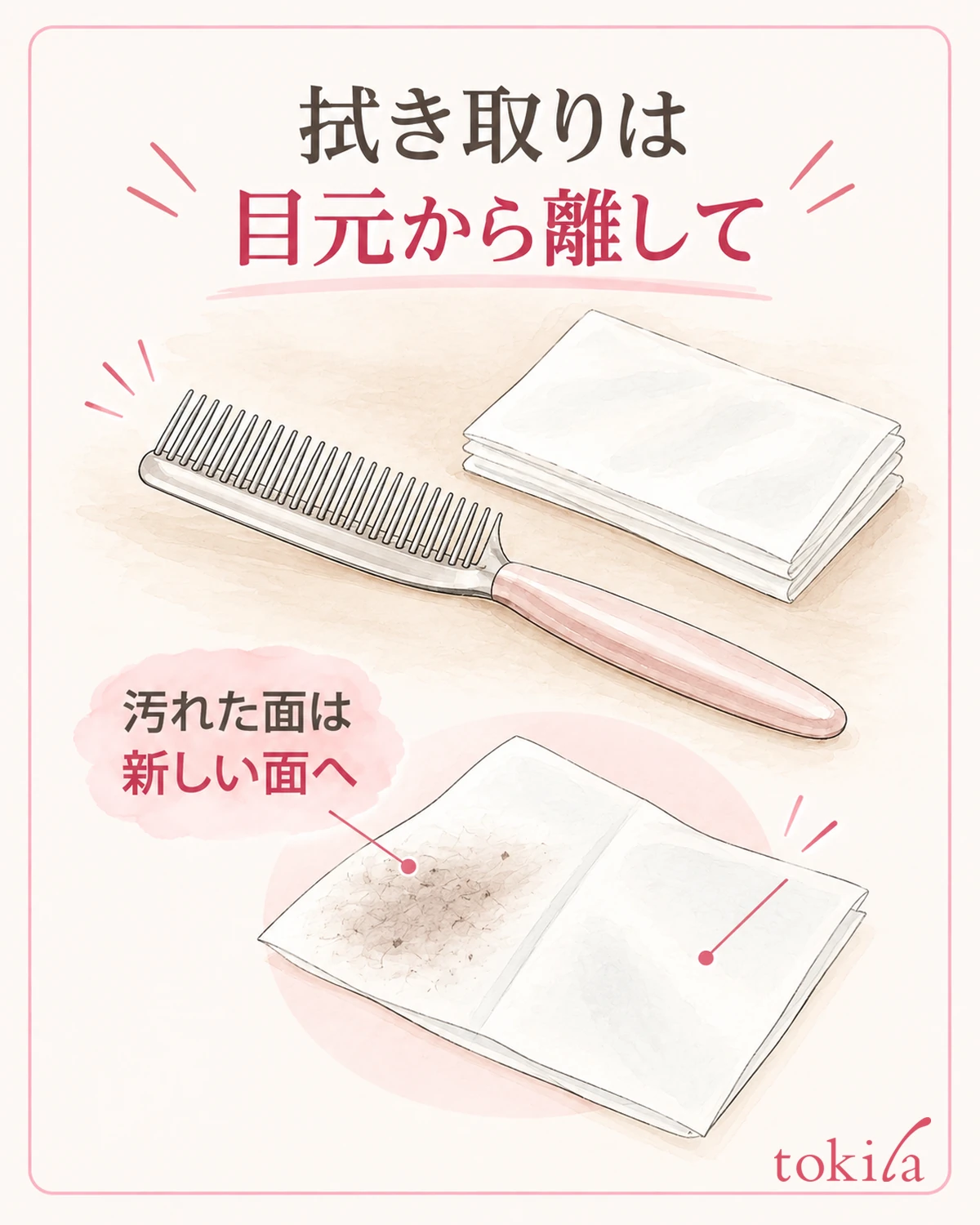
When you finish using it, first move the tool away from your eyes. If the product specifies wiping with tissue, prepare a clean surface, steady the handle, and lightly remove the leftover product. Rather than hurriedly wiping with one hand in the middle of your makeup, go back to a spot where you can see your hands and the direction of the teeth, and your movements will be easier to keep in order.
Don't hold it in a way that lets the tips of the teeth poke through the tissue. Keep your fingers out of line with the tips of the teeth, and avoid motions such as wrapping tightly and pulling it out or pushing paper into the base. Even when you use folded paper, don't assume that making it thicker will withstand any amount of force.
Once product has transferred to one surface, don't press that soiled surface back onto the next section; switch to a fresh surface. If fibers from the paper are left between the teeth, don't go on to dig them out with a needle or pin. Stop for a moment and switch to care that the product allows.
Don't try to push all the way into the thin groove at the base in one go; move along while checking the range you can see. If a hard lump remains even after wiping, this is not the stage to keep applying force to the same spot. Next, check whether the labeling has a method for dealing with dried residue.
Dispose of the paper used for care as it is, and don't reuse it to wipe your face or lashes. If you keep tools with product on them separate from the clean place where you store things, you won't be unsure when you set things down again partway through, so that the residue doesn't transfer to the cosmetics around them.
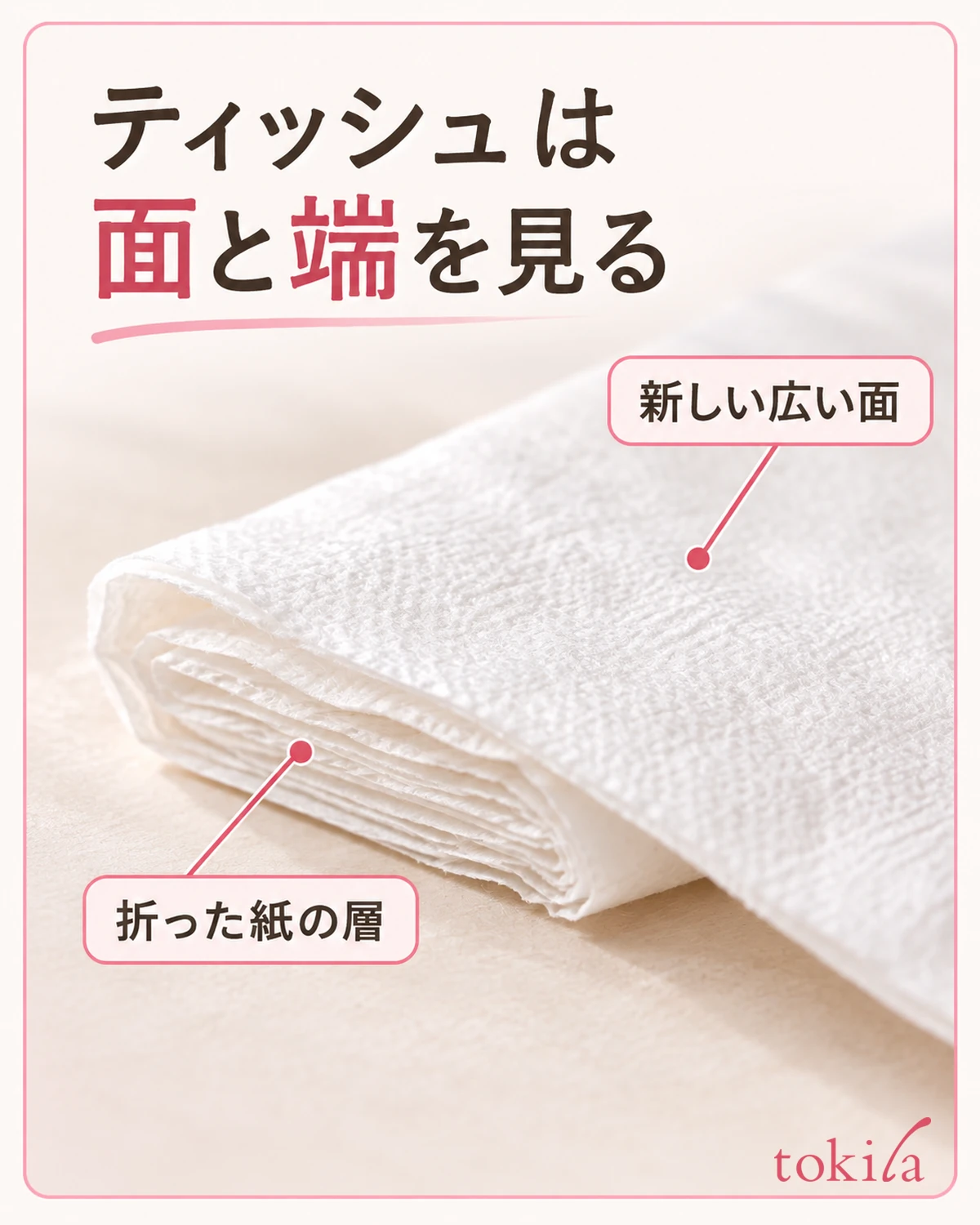
If the tool moves while you wipe, review how you are holding it before you grip harder. Don't wrap it in so much paper that you lose track of the handle; keep the position of the tip clear. To hurry the care, do not support the sharp teeth by jabbing them into the palm of your hand or into cloth.
3. For hardened residue, first read how far you can wash and the conditions for detergent
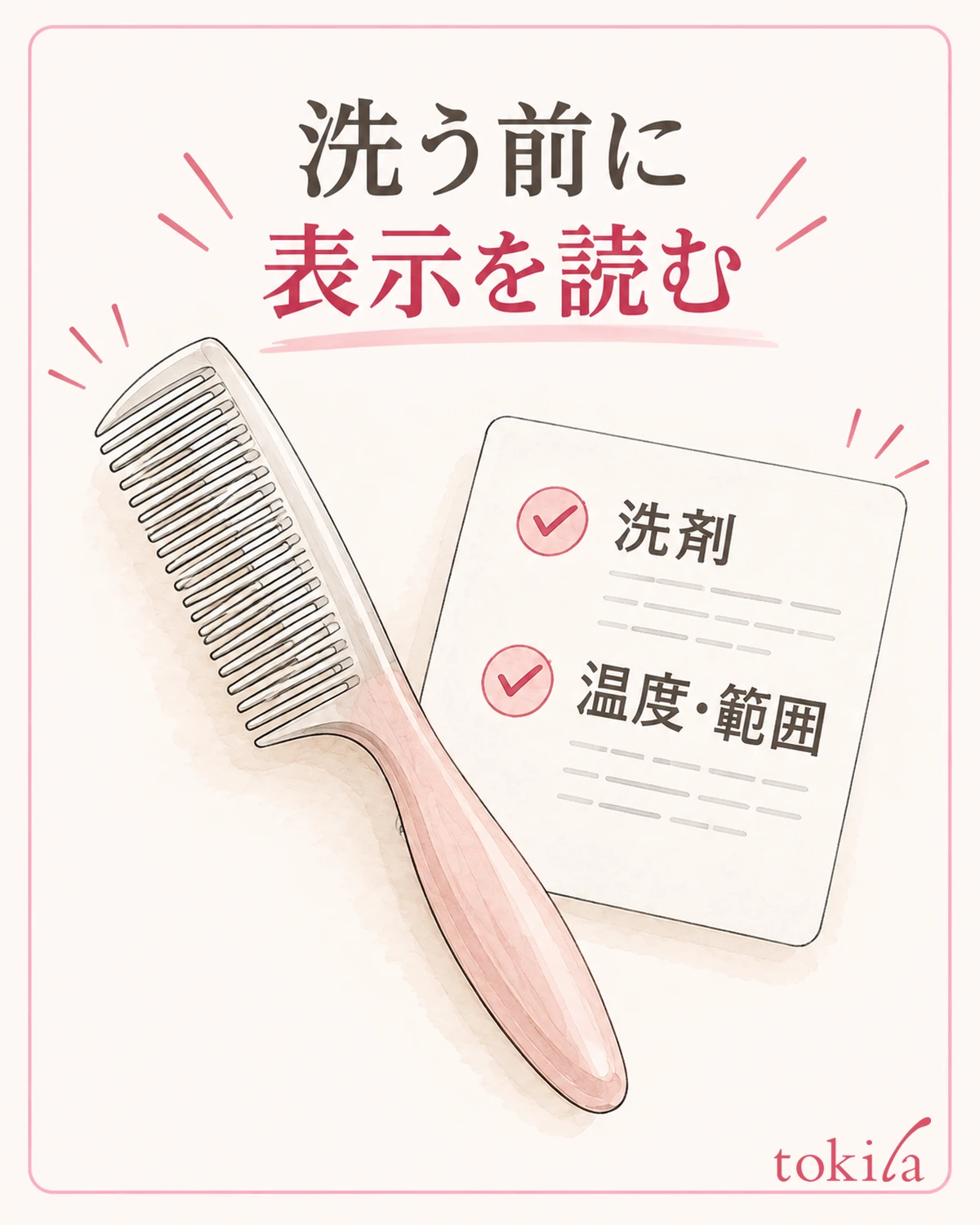
If hard mascara remains between the teeth, read the care labeling for the comb you have. Even for a product whose instructions describe lukewarm water with diluted detergent or a soft brush, don't extend that method to a different material or mechanism. If you can't find the labeling, first identify the product and check.
What to read are the usable detergents, how to dilute them, the water temperature, the parts that may be soaked, and how to rinse. Don't decide that because the teeth are metal, the whole body can be treated the same way. Compare against the labeling, bearing in mind that parts such as the handle and a folding section may be made of different materials.
If soaking is specified, prepare within the specified range, and don't increase the time or temperature on your own to remove it faster. An article can't set a uniform number of seconds or concentration, so use the instructions you have as your standard. Also avoid putting the tool straight into a dirty container that you used in the kitchen.
If washing with a brush is specified, prepare a clean one suited to the purpose, and don't press hard enough to bend the teeth. Distinguish loosening the residue from scraping it off by force. If anything changes partway through, such as the teeth moving or cracks appearing in the handle, stop cleaning and check whether the tool can still be used.
A cosmetic that removes mascara can't always be used on the resin of that comb. Use only alcohol, cleansing liquids, undiluted detergents and the like that you have confirmed the tool's labeling allows. Don't proceed by trying the liquids you have on hand one after another to find one that works.
Once you have checked the labeling, decide how far to go today. If you first choose one of "just wipe," "specified washing is needed," or "damaged, so do not use," you won't keep adding other liquids and tools partway through. Even if the residue is stubborn and won't come off, don't make that a reason to combine methods that are not in the instructions.
4. After rinsing, check between the teeth and the storage parts separately
For a product that is permitted to be washed, rinse as specified and then take care of the water. If you used detergent, look not only at the residue but also at any detergent left behind. Don't decide you are done just because the suds are no longer visible; proceed according to the rinsing instructions.
When wiping off the water, don't pinch the tips of the teeth hard and pull. Follow the instructions on using a clean cloth or paper, and handle the handle and the teeth calmly. What is left in the narrow gaps between the teeth is found in different places than on the wide surface of the body.
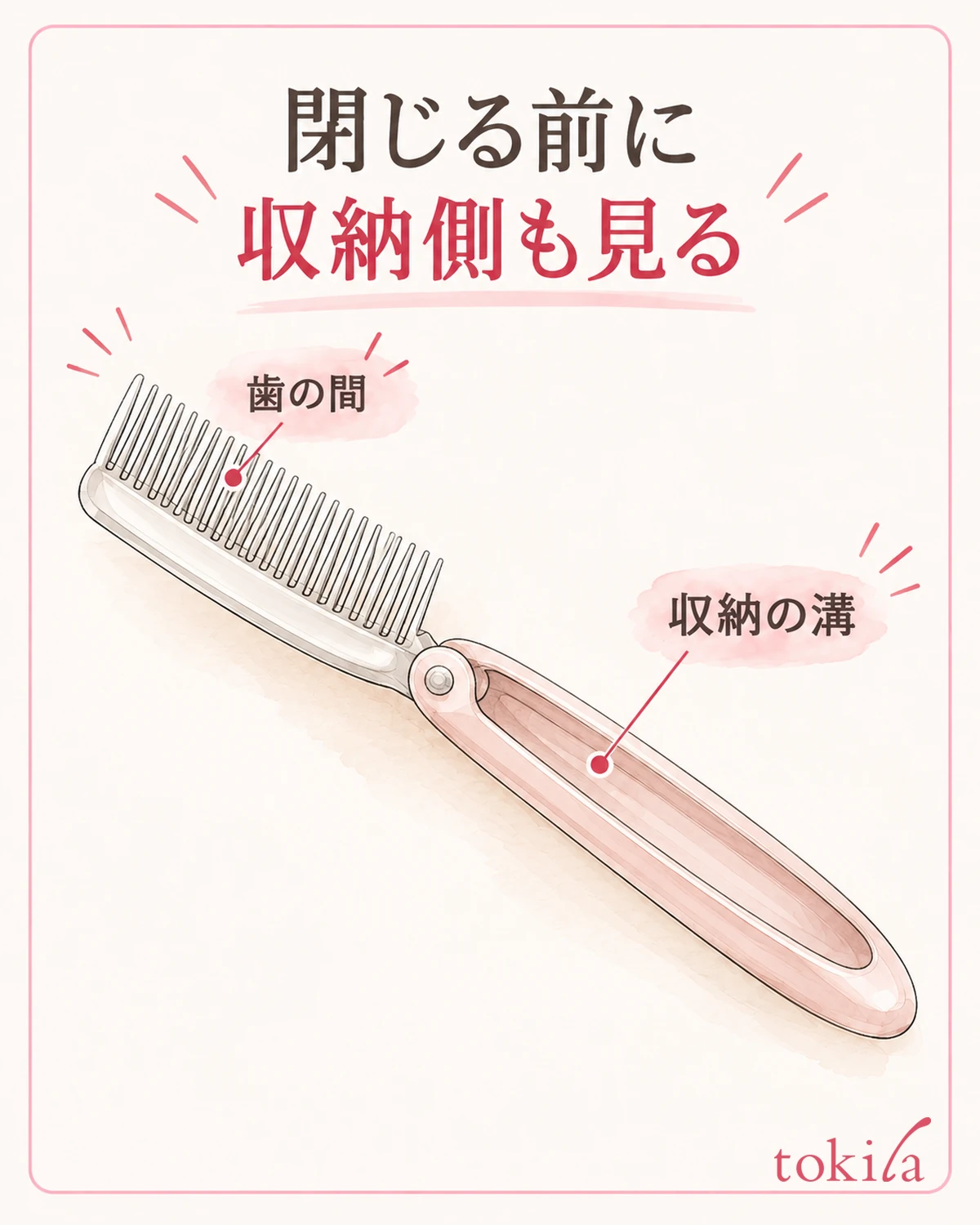
For a folding tool, look at the storage side too before closing it. Check whether any liquid or scraps of paper remain in the groove where the comb sits or at the fold. Do not pour water or liquid into the fine holes on your own or take the fastener apart, unless the product's instructions say so.
No visible water droplets on the surface and being in a state where it is fine to store are separate matters. Follow the product's instructions for drying and wiping off water, and don't hurry to put it away wet in your pouch. Don't switch to drying it with hot air or leaving it in a hot place.
When you finish the care, look once more in a bright place at the tip, between the teeth and the base, in that order. Also think back over whether you put strong force on any part. Even if the residue looks gone, if deformation or chips remain, you will need to decide not to reuse it as a finishing tool.
Also look at the cloth you used for wiping and cleaning. Don't rewrap it over and over with a wet or soiled surface; keep the surfaces you use for finishing separate. If new dirt gets on right before you put it back in the storage part, don't close it as it is; check the condition, then go back to care that matches the labeling.
5. Before storing, protect the tips of the teeth, and check the same places next time
If it is a folding type, close it as the storage instructions say. Look at the direction of the teeth and the groove on the body side, and if it catches partway, don't push it shut; open it once and find the cause. Don't close it with a hard lump still on it and try to knock it off the next time you open it.
For products with a cap, put it back in its original orientation and position. Give priority to keeping the specified storage form rather than cramming it in with other tools with the tips of the teeth exposed. Even when you can't find the protective part, don't force it into storage with a substitute such as paper wrapped tightly around it.
Before carrying it around, look not only at the comb's teeth but also at whether any product is left on the outside when it is closed. Don't put the tool back after care in the same place as tissue that still has mascara on it. If you decide on one clean place to keep it, it is easier to tell before use from after.
Follow the product's cautions about temperature and moisture for the storage place, and avoid places within a child's reach. Pair the routine of looking between the teeth when you finish using it with a check before the next use. Don't bring it near your eyes without checking for later damage or dirt just because you cared for it the day before.
If a lump stays every time, first look back at whether you are putting off wiping right after use, and whether you are following the care in the labeling. Rather than adding a new detergent or tool, check one by one at which stage the residue was left. If you can't remove it, it is damaged, or you don't know how to handle it, stop and check rather than forcing yourself to keep using it.
Make the places you check next time follow the same order as today. If you look at the tip, between the teeth and the base, then check the storage part, it is easier to compare where residue was left last time. If you record changes in appearance, hold the tool away from your eyes to take the photo, and don't put it back against your lashes just to check.