When nothing comes out of a liquid foundation pump, look at the first-use instructions if the bottle is new, or check how much is left and look at the nozzle if you’ve been using it for a while. Think back to whether it worked normally yesterday or whether today is your first time pressing it. That helps narrow down what to check first.
First, see if the pump head goes down and comes back up when you lift your finger. If it moves but nothing comes out, check the label for priming, shaking, and which way to hold the bottle. Before pressing harder or taking off the pump, check how your particular foundation is meant to be dispensed.
1. Check whether the pump is stuck or moves without dispensing
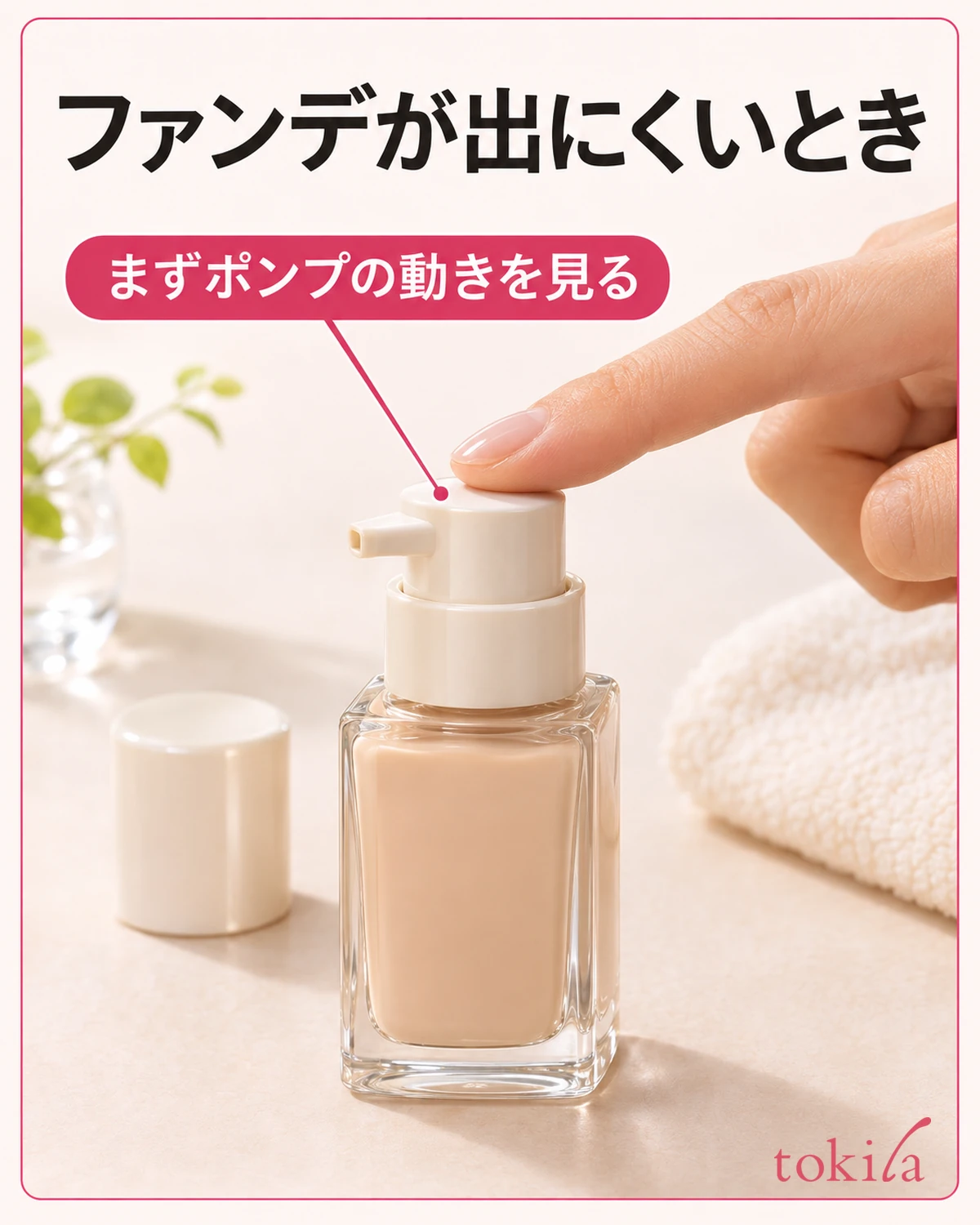
Once you remove the cap, set the bottle on a flat surface with the nozzle pointed away from your clothes and the mirror. Rest a finger on the pump head and press lightly to see if it moves. If it won’t move at all, check the box and bottle neck for instructions about removing a shipping clip or lock. Opening mechanisms vary, so use the instructions to decide whether to turn the pump.
If the head goes down and springs back but nothing comes out, you’ll need to check a different part. The tiny hole at the tip is the nozzle opening. Look at the tip from the side so you don’t mistake it for a gap in the pump head or the neck of the bottle, and check for foundation left on the outside.
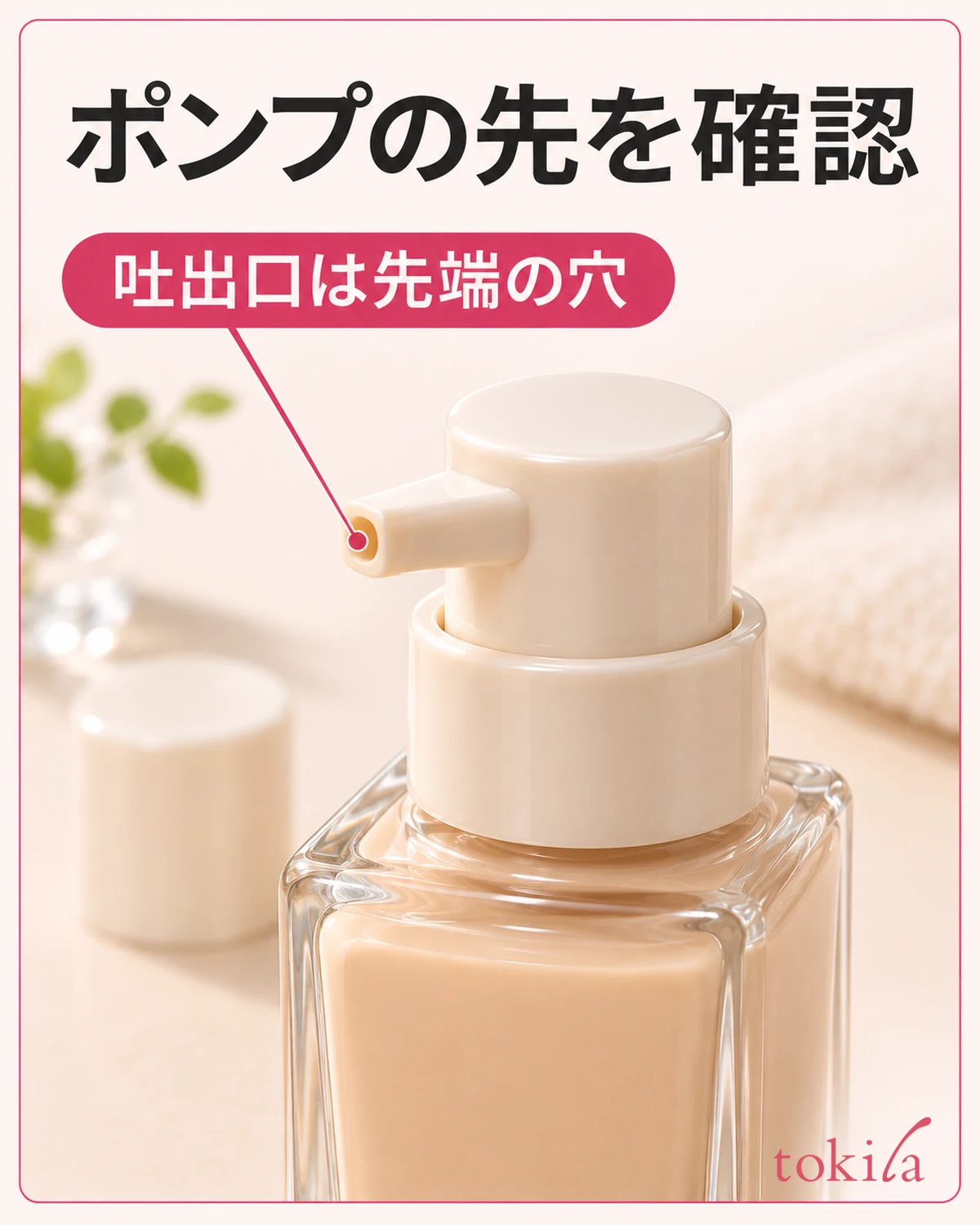
Even if you see dried foundation at the tip, don’t insert a pin or fingernail into the opening. If the product directs you to wipe the outside, wipe only the area specified. If pressing still doesn’t dispense anything, continue with the checks below. If the head is caught at an angle and won’t spring back, reread the handling instructions before pushing harder.
2. For a new bottle, check how to prime the pump
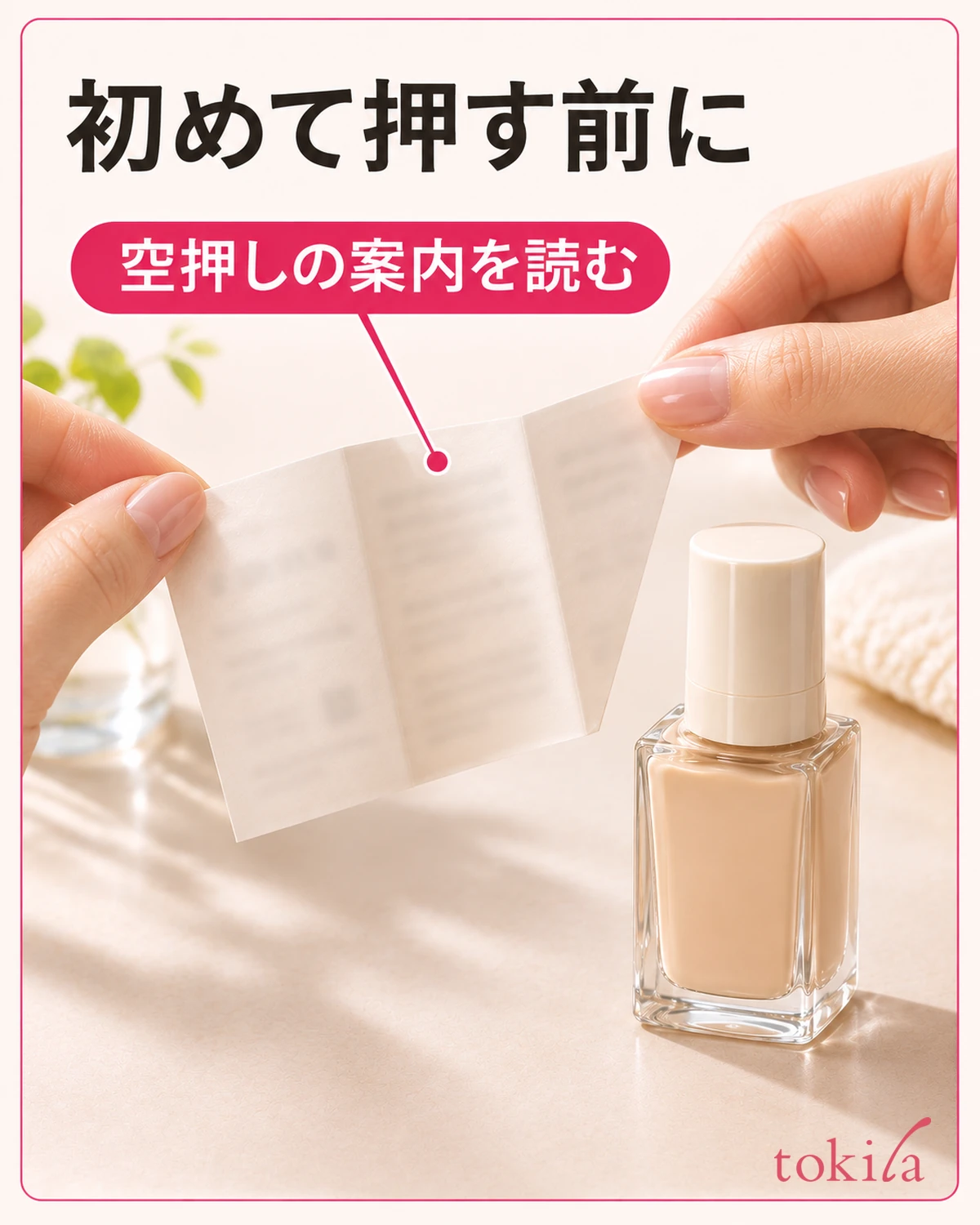
Some foundations direct you to press the pump several times on first use until liquid comes out. Priming here means pressing the pump while it still isn’t dispensing anything. Check whether the instruction applies only to first use or each time you use it.
If the box lists “First use” and “Directions” separately, read both first. Some products direct you to prime the pump, put the cap back on, and then shake. Others give a separate instruction to press until foundation comes out in addition to the shaking directions. Follow the order and number of presses on the box, and let the pump head return before pressing again.
Decide where to catch the first bit of foundation before you press. Hold a clean hand or the tool specified for the product in front of the nozzle so you can tell when the foundation starts coming out. It’s easy to miss the first bit if you keep pumping near your face or reach for something to catch it halfway through.
If liquid comes out after a few presses, lift your finger. The number of times you pressed to prime the pump and the amount you actually dispensed are separate things. Look at what came out, then take as much as you need based on the directions.
If you no longer have the box, look for the product or model name on the base or back of the bottle. Bottle shapes and dispensing methods can change within the same line. Before deciding how many times to press based on a video of a similar bottle, check that the directions apply to yours.
3. If the directions say to shake, put the cap on first
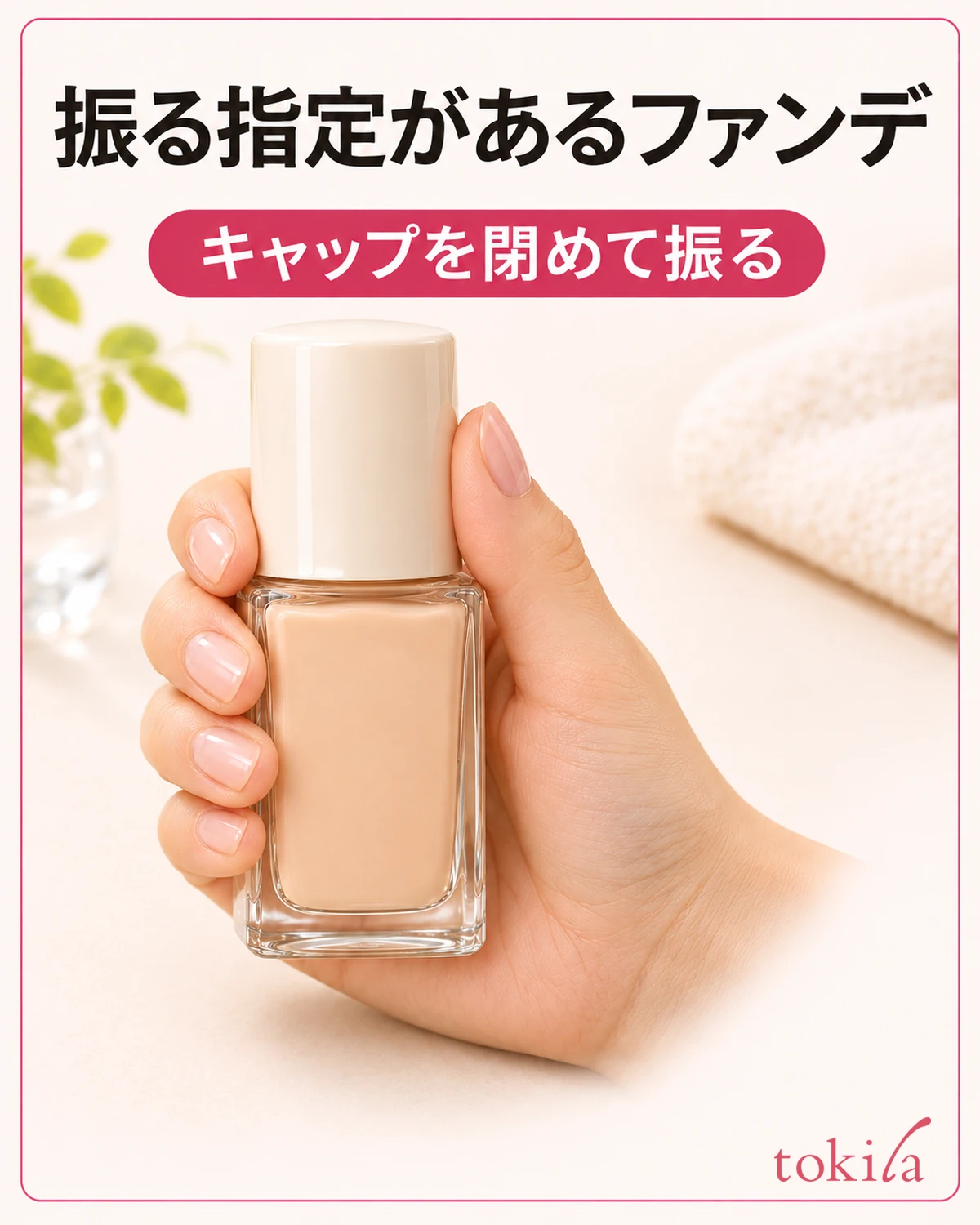
Some pump bottles should be shaken before use. You can’t easily tell by looking, so check the bottle or box for instructions such as “shake well” or “shake several times.” If the directions specify a position or number of shakes, follow those for your product.
Before shaking, check that the cap is fully seated. Close it securely, hold the body of the bottle, and shake where you won’t hit the edge of the sink or the mirror. If you tend to mix up handling the pump and shaking, keep the two actions separate: shake with the cap on, then remove it to dispense.
Some products say a clear liquid may come out first if the foundation hasn’t been used for a while. Check whether that explanation is given for yours before assuming the same cause applies to another product. If it still seems unusual after you’ve followed the directions, stop before applying it to your face and contact the product’s customer service team.
4. Catch the foundation near the nozzle and check each pump
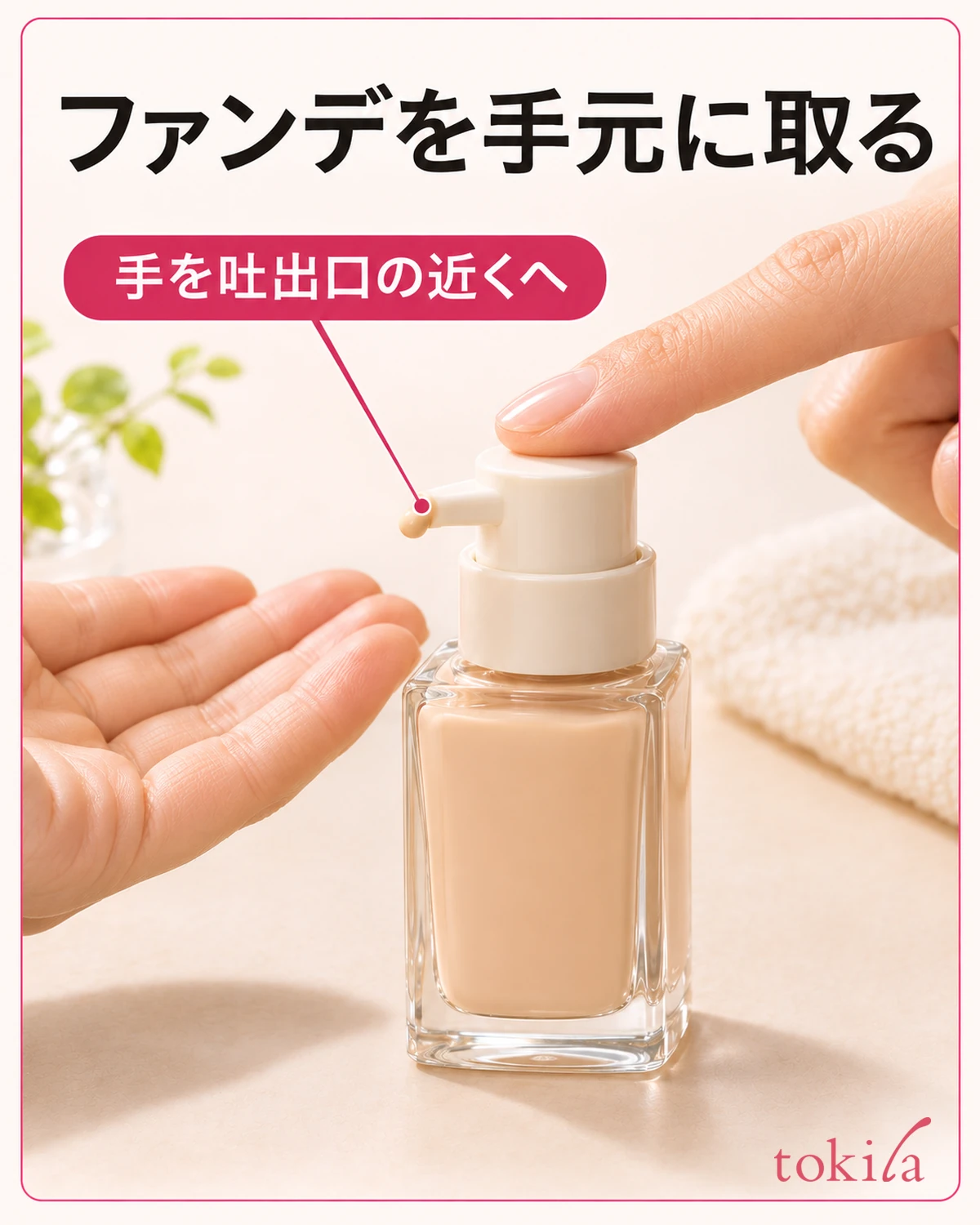
Position the nozzle where you can see it clearly and bring your hand or the specified sponge close. Keep it near enough to catch the liquid without pressing firmly against the tip. If the directions say to tilt the bottle, hold it at that angle, press once, and see how much comes out before adding more.
If the amount varies from one press to the next, think about whether you’ve been pressing the pump halfway each time. Half presses don’t suit every product. If a full pump is the recommended amount, dispense it as directed and then portion it out in your hand so you can adjust the amount separately from operating the pump.
If your foundation can be transferred from your hand to a sponge, you can pick it up a little at a time rather than letting the broad side of the sponge absorb it all at once. To check whether your sponge should be used wet or dry, see how to use a sponge with liquid foundation as well.
Catching the foundation in your hand makes it easier to tell whether the first press was empty or dispensed some liquid partway through. If you move your hand just as the liquid starts coming out, it can run between your fingers and make the amount harder to judge. Before pressing again, set the bottle down and check whether the amount already dispensed matches the guidance.
5. When the bottle is nearly empty, check its position and how to finish using it
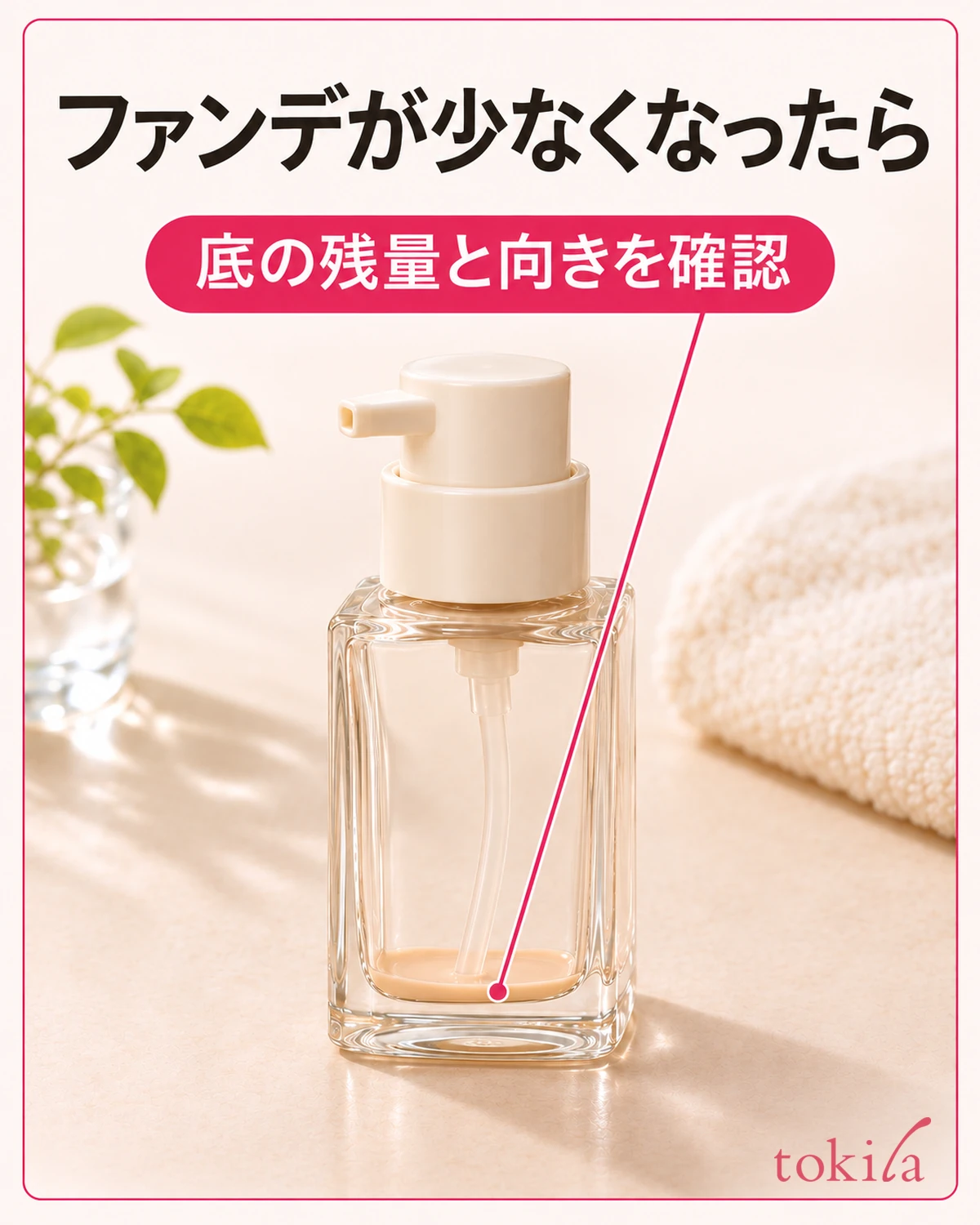
When the bottle is nearly empty and dispensing becomes harder, look for separate instructions for low fill levels before priming as you would a new bottle. Some bottles are usually tilted but should be pumped upright when little remains. Try the position specified in the directions before turning the bottle upside down or forcing the pump assembly to turn.
Even with a transparent bottle, foundation stuck to the sides isn’t necessarily the same as what’s left at the bottom. Stand the bottle upright and look for liquid at the bottom rather than judging by the color on the sides. With an opaque bottle, it can be difficult to tell by looking whether it’s empty or the pump is faulty. If the instructions don’t resolve the problem, check the replacement or contact information before taking the bottle apart or transferring the contents.
If the product directs you to clean the nozzle after use, wipe the outside of the tip with a clean tissue or similar material, then close the cap. Lightly touch the edge of the tissue to the outside and keep it out of the nozzle opening.
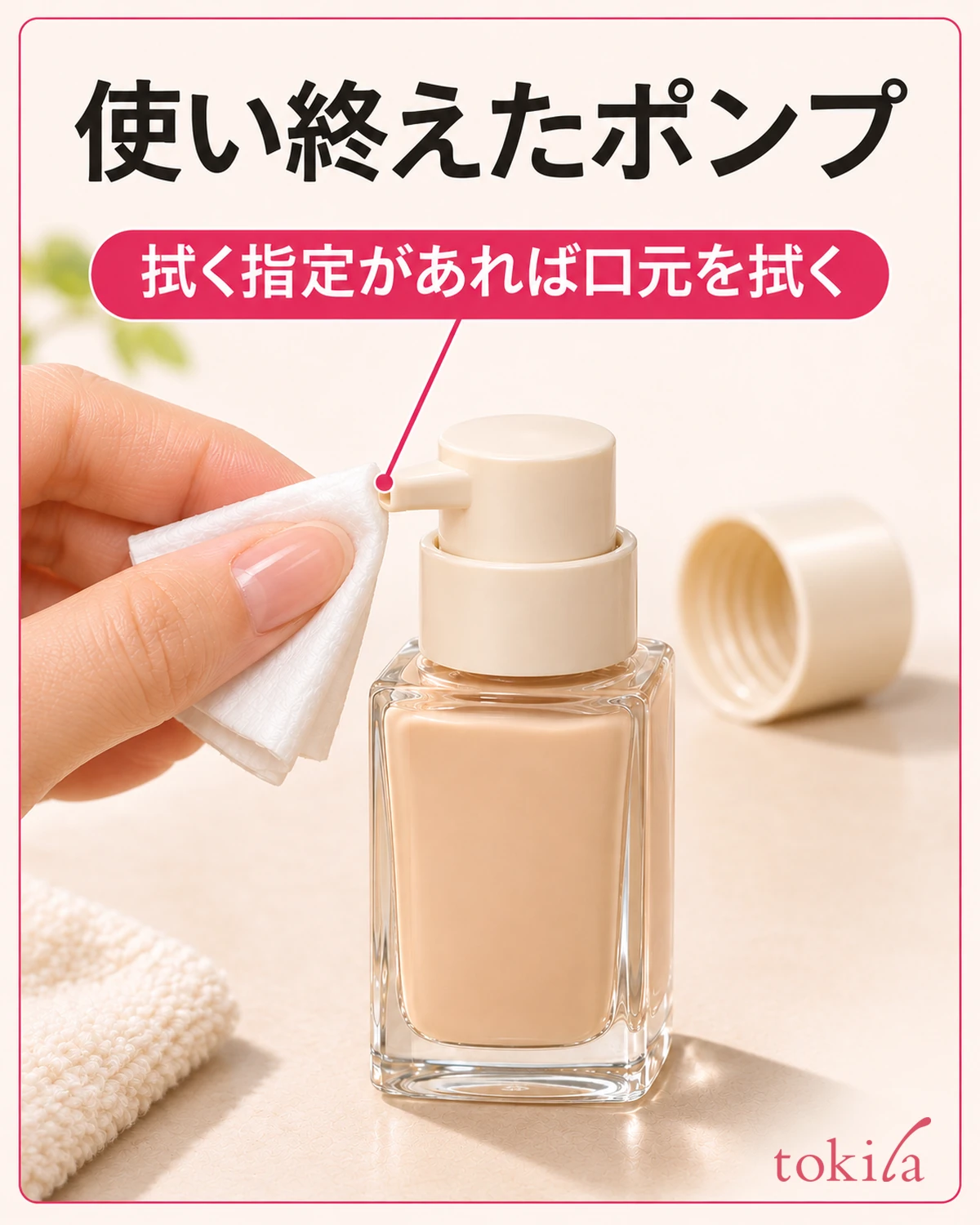
Store the bottle as instructed so it’s ready to dispense next time. If it should be stored upright, choose a place on the shelf where it won’t tip over. If it becomes hard to dispense again, go through the same checks: is the bottle new or already in use, does the pump move, and which way were you holding it?
If you’ve carried the bottle on its side in a travel pouch, check whether it only started giving you trouble after the trip. If you contact customer service, tell them when the problem began, whether the pump head springs back, and which positions you’ve tried. That can help narrow down whether to look at the remaining foundation or how the pump moves.