When you pick up a clay cleanser, you might wonder whether to lather it as usual or apply the paste straight to your face. Before deciding based on the tube’s color or how firm the cleanser is, read the directions on the back. Some clay cleansers are meant to be lathered with water, while others are meant to be spread directly onto the skin.
If the same tube lists both an everyday cleanse and a cleansing mask, pick one set of directions for the way you plan to use it that day. Check three things before wetting your hands: whether to lather, whether to wet your face, and how long to wait before rinsing.
1. Read the directions to see whether to lather your clay cleanser
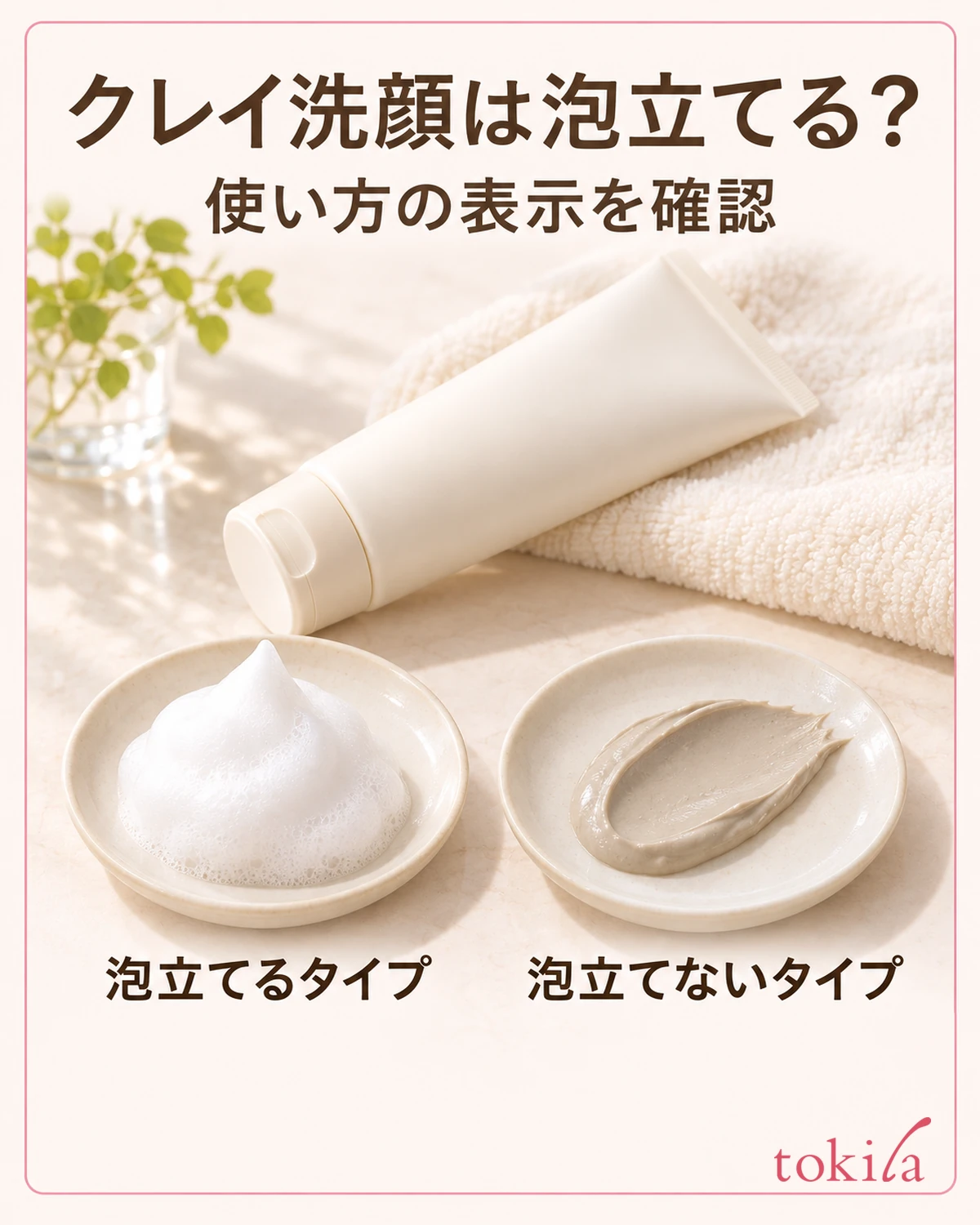
“Contains clay” describes what’s in the cleanser. If the directions say to lather with water or lukewarm water, start by making lather in your hands. If they say to spread it on your face without lathering, use it as a paste. If two options are listed, such as cleansing and masking, decide which set of instructions to read first.
Similar-looking tubes may contain either type. A white cleanser doesn’t necessarily need lathering, and a gray or beige one isn’t necessarily meant to go straight onto your face. For example, both may look like a paste when you squeeze them into your palm, but by the time they touch your face, one goes on as lather and the other as paste.
When using it as a facial cleanser, first check its stated purpose. On days you wear makeup, check whether the cleanser can remove it or whether you need a separate makeup remover first. “Contains clay” alone doesn’t tell you what makeup it can remove or whether washing your face is enough. If you’ve worn sunscreen, you can also read about how to remove sunscreen.
If you switch to a similar-looking package or share a sink with family members, reread the instructions on the tube in your hand before using the routine you learned for a different cleanser. If the full directions are only on the box, check the amount to use, whether to wet your face, and whether to lather before throwing it away.
2. If your cleanser calls for lather, make it before applying
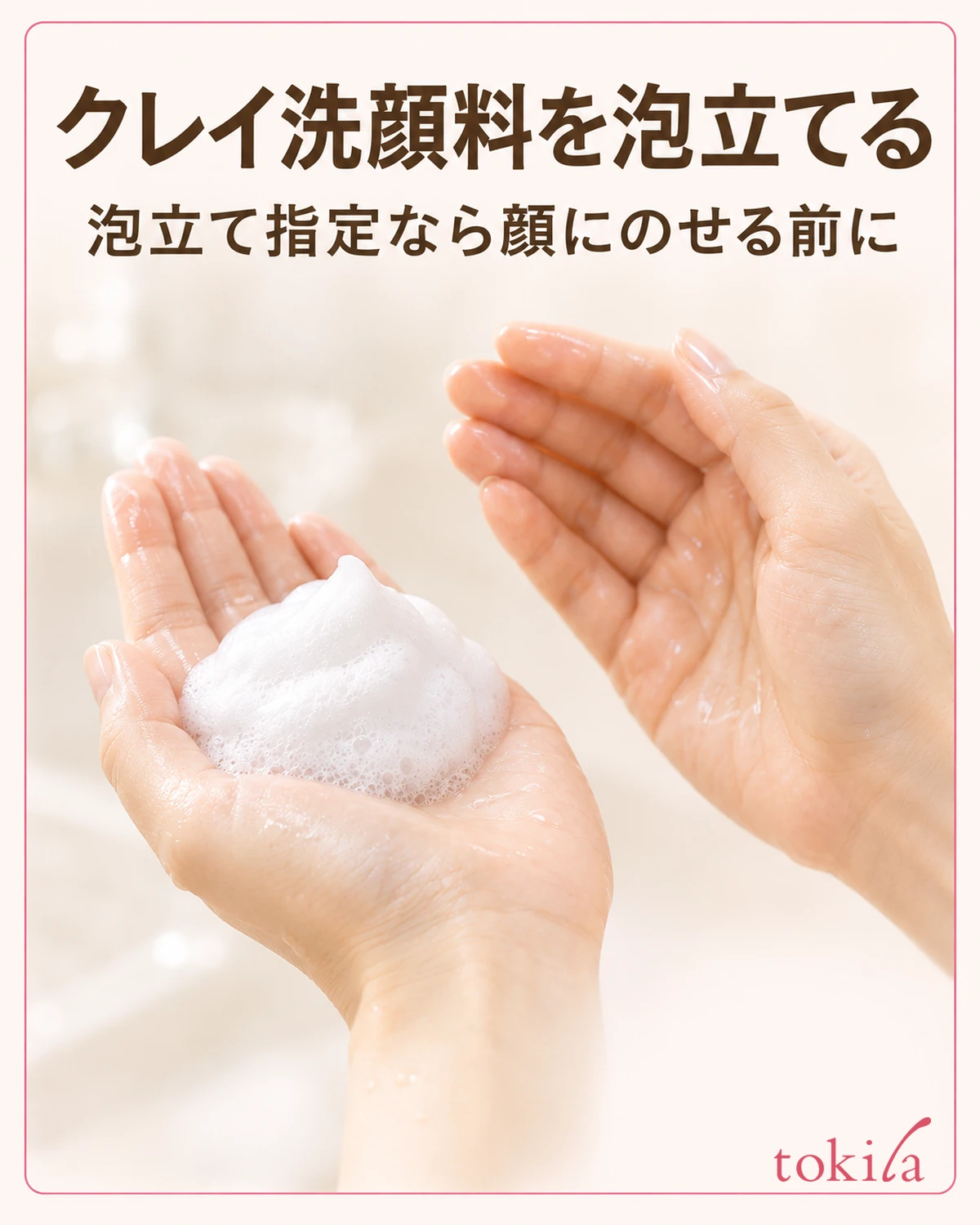
If the directions call for lather, wet your hands or face as instructed and dispense one application into your hand. If they say to lather with water or lukewarm water, add it while watching how the lather develops in your palm instead of pouring in a lot at once. Keep the two methods distinct: making lather before bringing it to your face, and spreading paste on your face before rinsing.
If the lather runs past your wrist or a lump of cleanser remains in your palm while you work, check your hand before applying it. Just after you add water, clear droplets may run toward your wrist separately from the fine bubbles in the lather. Before continuing to add water to make more lather, see whether the cleanser and water you already have are mixed.
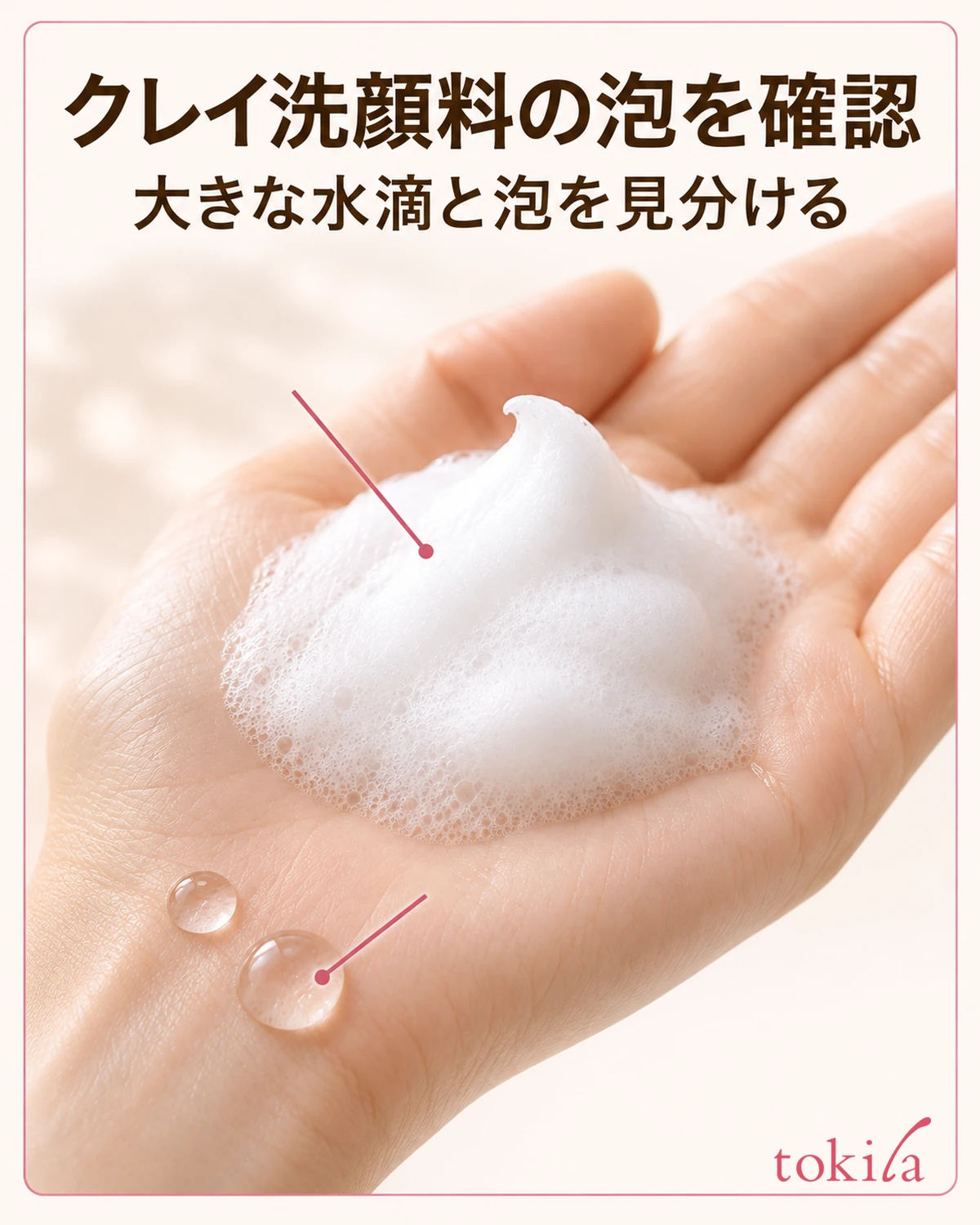
If lumps of paste remain in the lather, break them up in your hand before continuing to lather. If the mixture is so runny that it slides away with the water as soon as you tilt your hand, start over and reconsider how much water you add next time. If your cleanser can be used with a foaming net, check the net’s directions, then take the lather in your hand and apply it to your face.
Once it’s on your face, spread the lather as directed and rinse after cleansing. If the lather didn’t hold together well in your hand, check the amount of cleanser per use and the amount of water added separately next time. That will show which change makes it easier to use, without pressing harder as you wash. Follow any amount or steps specified for the product.
3. For a nonfoaming cleanser, check whether to wet your face and where to apply it
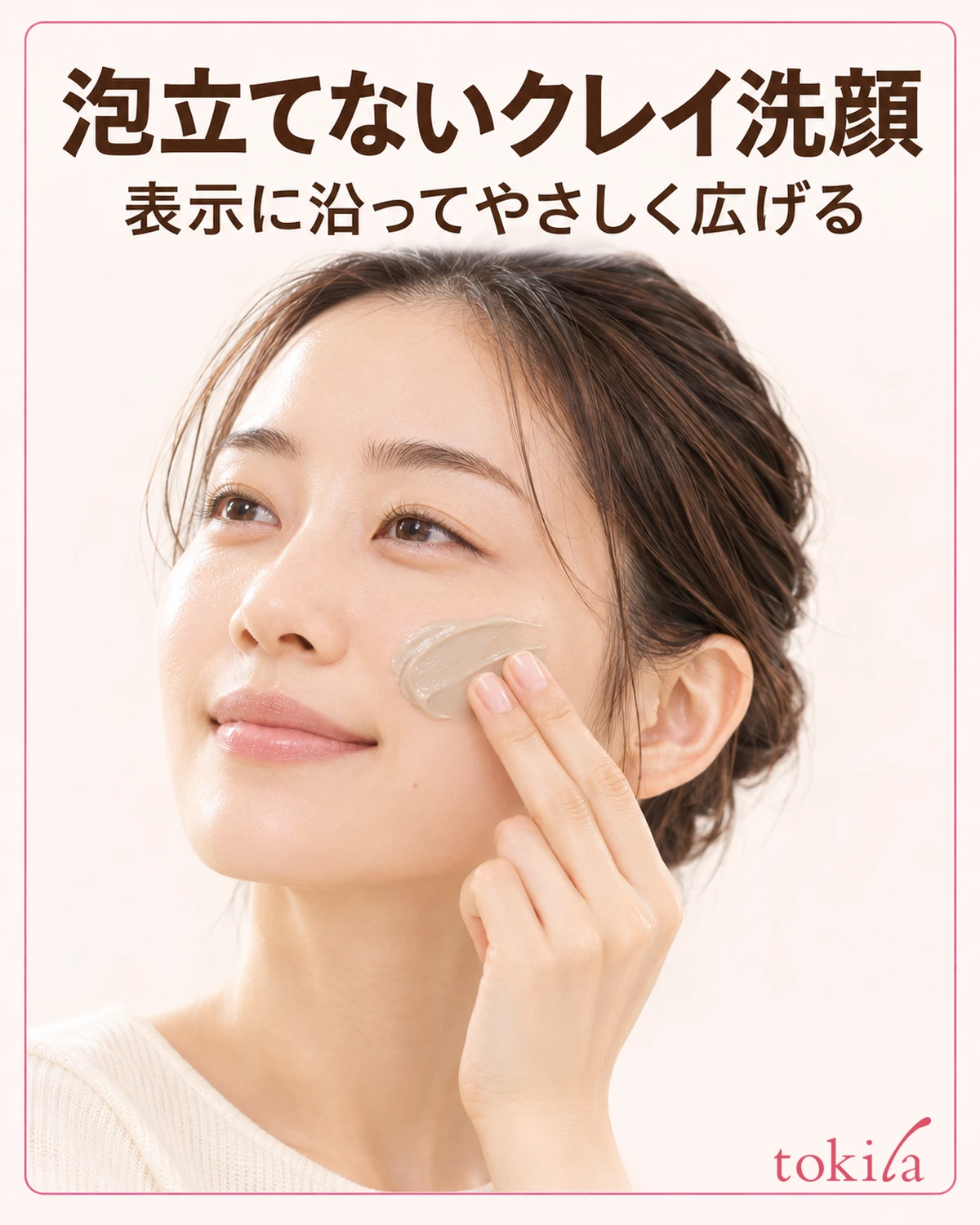
For a paste that doesn’t need lathering, start by checking whether you should wet your hands or face first. Some products are meant to be spread after lightly wetting the face. If instructions for another use say to apply to dry skin, check whether that applies to everyday cleansing or to the cleansing mask. Keep each preparation step with its own set of directions.
Take the amount directed and gently spread it over the areas where the cleanser can be used. If it says to avoid areas such as around the eyes, check those boundaries first. At the mirror, start somewhere you can see easily, such as the cheek, so you can watch how far the paste spreads. If the instructions are for the whole face or only for specific spots, there’s no need to concentrate the same amount in one spot.
If your fingers start to drag, check whether you skipped a direction to wet your face or whether you used the specified amount before pressing harder. If it spreads close enough to get into your eyes, stop spreading it there and rinse as directed by the product’s precautions. If the cleansing directions don’t specify a wait time, there’s no need to wait for the paste to dry.
Check separately how smoothly the paste spreads and how easily it rinses off. Even if it was easy to spread by hand, wait until you’ve checked the area you covered and how it looks after rinsing before deciding what to revisit next time, rather than automatically using more.
4. Use it as a cleansing mask only if the directions offer that option
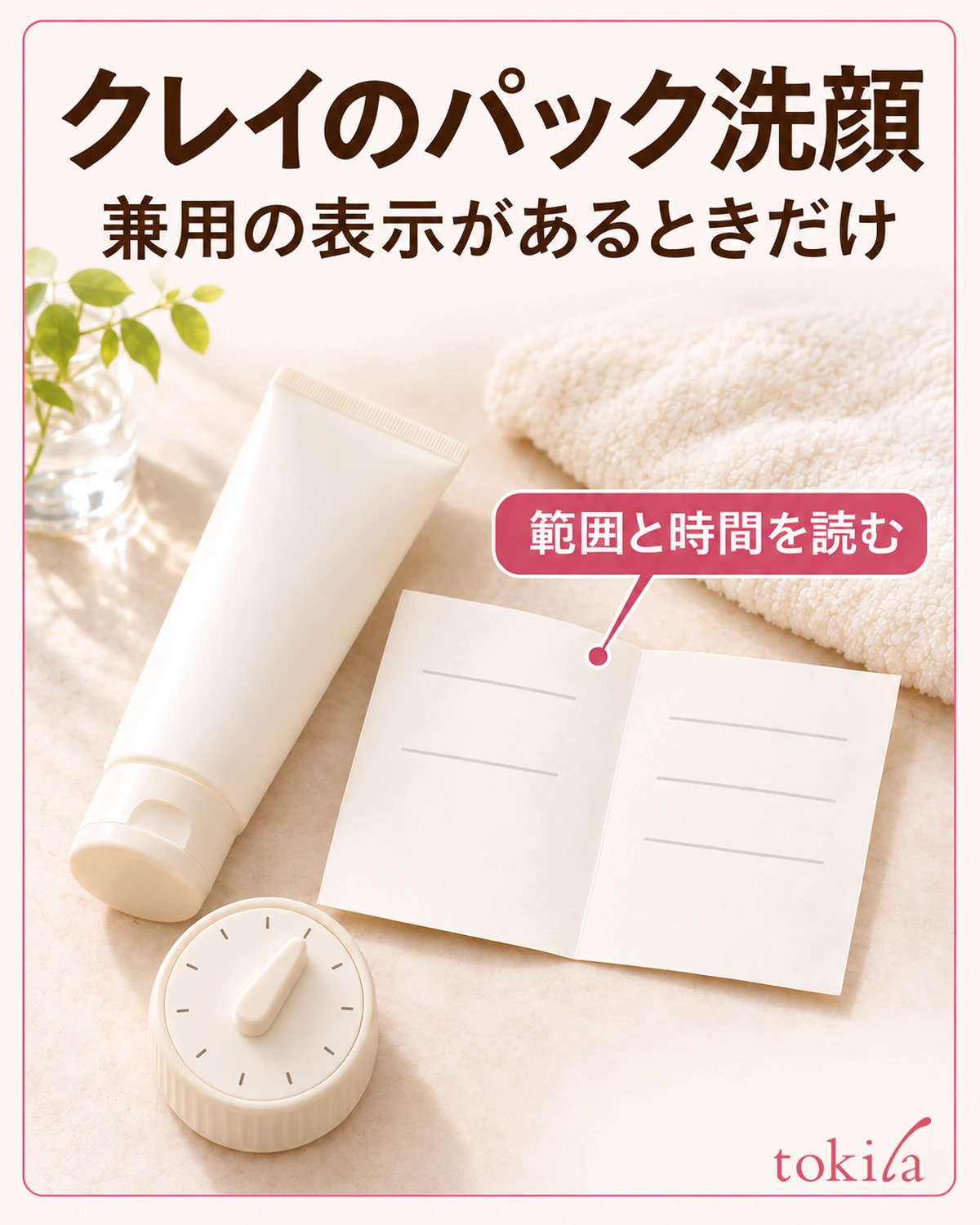
If directions are provided for everyday cleansing and for a cleansing mask, read the mask instructions from the beginning on the day you use that option. Some products are lathered with water for everyday cleansing but spread thinly on specified areas of dry skin as a mask, then left on for a set time before adding water and rinsing. Even with the same tube, the order of the steps can differ.
Check your skin’s starting condition, the amount to use, where to apply it, how long to leave it on, how to rinse, and how often to use it. For example, if it’s meant for specific areas, keep it within the indicated areas, such as the forehead, nose, or chin, instead of spreading it over your entire face. If the directions say to add water and lather as you remove it, remember the rinse as part of the same routine along with the wait time.
If you use a timer, it helps to read the specified time and get the timer ready before wetting your hands. If your product calls for a short wait, rinse at the specified time instead of relying on the few minutes you remember from a different mask. If the product specifies frequency, check which method it refers to instead of counting your everyday washes and mask days as the same thing.
If you can only find instructions for cleansing, use the cleanser that way. The paste’s color or the way it dries doesn’t tell you whether you can use it as a mask. If you’re using a dedicated rinse-off mask, see how to use a rinse-off face mask for where it fits in relation to cleansing and how to finish.
5. After rinsing, look where paste can be left behind

Whether you used lather or paste, follow your product’s rinsing directions. After rinsing the center of your face, look in a mirror for residue beside your nostrils, along your hairline, and under your chin, in that order. Even if your cheeks are clean, it’s easy to miss a spot in a crease or where hair meets skin. If you have bangs, move them before cleansing so you can see your hairline.
The underside of your chin is especially easy to miss, since it sits in the shadow of your jawline when you face straight ahead. Tilt your face up slightly and look in the mirror from an angle to check for a thin trace of cleanser. If you see its color, reach that spot with water or lukewarm water instead of wiping it first with a towel. Then check it again.
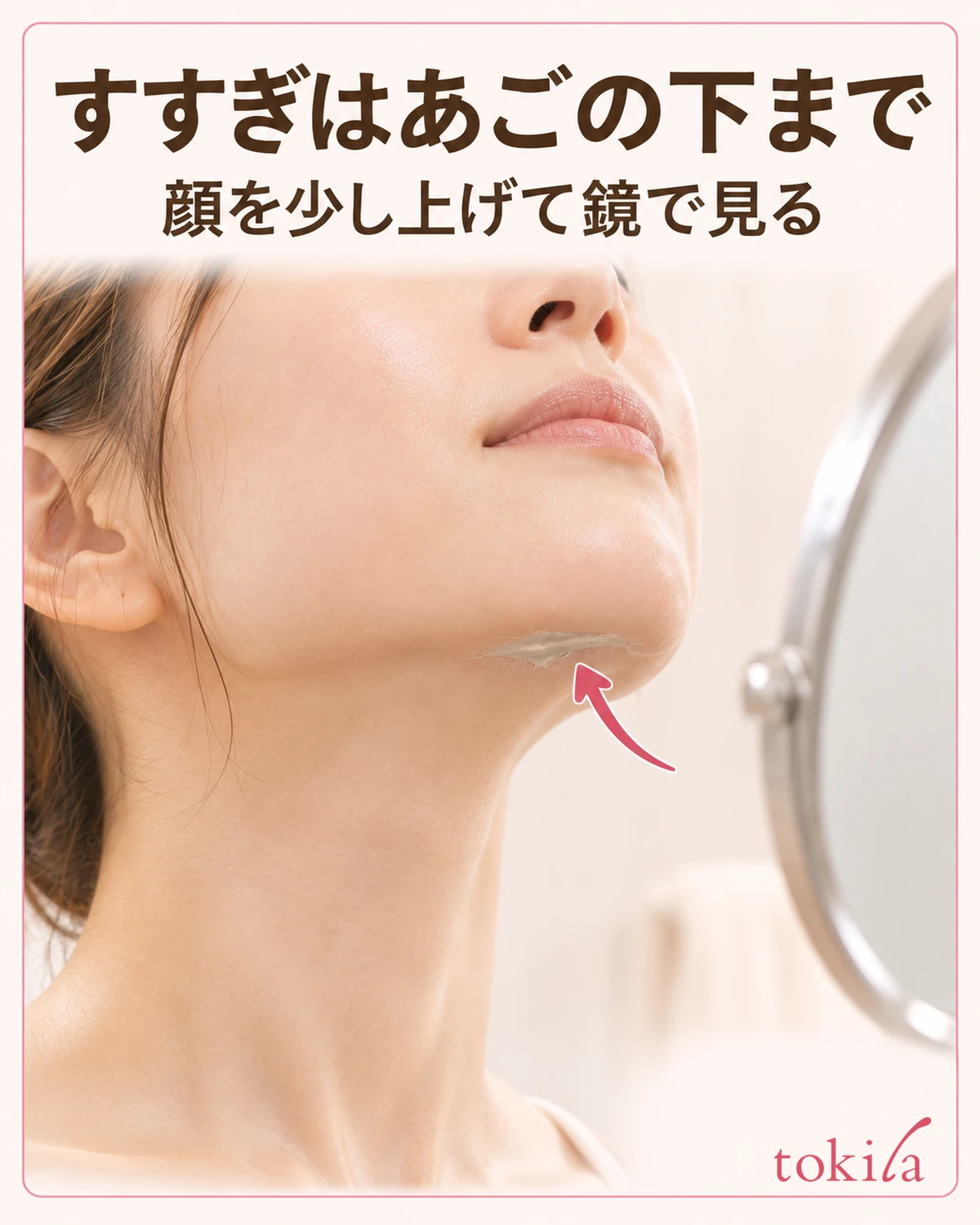
If you thought you’d finished rinsing but find lather beside your nostrils or at your hairline, direct some of the water that was going to the center of your face to the remaining lather. If it’s in your hair, move the hair aside so you can see the hairline before rinsing. That makes it easier to tell wet hair from residue. Once you see no residue, blot your skin with a towel and follow the directions for your next skin care step.
Remember one thing to check next time to make the routine easier. If the lather ran, look at the water you added. If the paste was hard to spread, check how you prepared your skin. If it remained under your chin, change where you direct the rinse. On a day you switch to the cleansing mask, reread the directions for that option and check the timing instead of repeating your last everyday wash.