You bought an enzyme cleansing powder but are unsure whether to use it every day or alongside your usual cleanser. Or you added water, and the powder ran off your hand before it foamed. In these situations, check frequency and lathering separately before guessing how to wash based on the word “enzyme.”
This article covers powders lathered with water or lukewarm water. They differ from other non-foaming cleansers and products applied and left on for a specified time. Rather than rubbing powder directly onto your skin, use your product’s directions as the starting point, from preparation through aftercare.
1. Decide frequency from the directions, rather than the word “enzyme”

The first point is to avoid deciding on once a week or daily use from the name alone. Some products provide for daily use, while others suggest a few days a week. Read the container or box, checking the suggested frequency together with any conditions concerning your skin’s condition.
“Can be used daily” is different from an instruction to use it every day. It also does not mean using it several times a day or adding another wash whenever your skin feels insufficiently clean. Treat a stated weekly frequency as guidance for that product, rather than applying it to other powder cleansers.
Check its relationship to your usual cleanser, too. On days you use an enzyme cleanser, avoid adding steps on your own, whether using your usual cleanser first or replacing it. Distinguish removing makeup or sunscreen from washing your face, and check the instructions appropriate to what you need to remove.
Adding other care, such as a scrub or wiping treatment, at the same time as first trying it makes it harder to identify what changed. Prioritize any instructions on combinations, and step back from the idea of stacking steps to intensify cleansing.
Even on a planned day, do not prioritize your schedule when your skin has an abnormality or you experience discomfort during use. Follow the product’s precautions and check when to avoid use and what to do after stopping. Also avoid assuming that reducing frequency necessarily makes continued use suitable.
Marking a calendar can help organize frequency, but those marks are not a record measuring effects on your skin. Record use, such as “used today” or “checked the suggested frequency.” Rather than bringing the next use forward based only on how pores look, review usage and skin condition separately.
2. Prepare your hands and face, then dispense one use
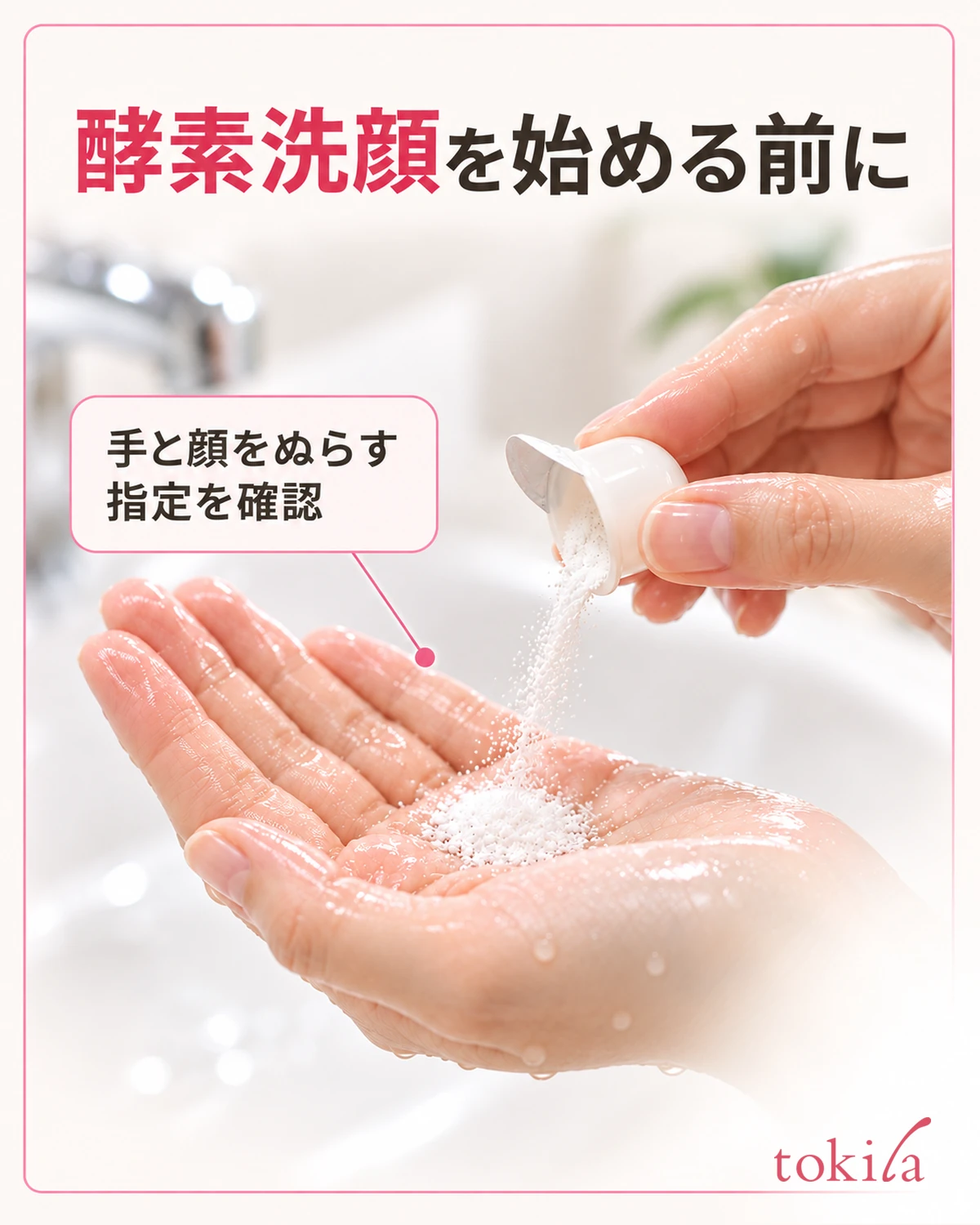
If the directions say to wet your palms and face, prepare in that order. With clean hands, first get into a position to catch the powder. Setting out your after-washing towel and planned moisturizer lets you continue without touching shelves or doors after dispensing powder into your hand.
Follow the stated amount for one use. For individual packs, check whether to use one capsule or one sachet; for a bottle, read its amount guidance. Do not dispense two uses because one looks small, or leave an opened portion because it seems likely to make plenty of foam.
Keep the fingers of your receiving hand from spreading widely, forming a shallow hollow. Rather than dropping powder from high above, watch the opening and your receiving hand as you dispense. Avoid bringing your face too close and inhaling powder, or shaking the container forcefully and scattering it.
If you are unsure how to open the package, also see Preparing Before Opening an Individual Pack of Cleansing Powder. From here, the process is lathering the dispensed powder and washing your face. Keep ways to make opening easier separate from changing the cleanser’s amount or method of use.
Do not switch to dumping powder directly into a container of water or mixing it with another cleanser. Check the product’s instructions for whether a foaming net is suitable. Using a tool does not remove the need to follow the stated amount or frequency.
Keep the individual package and box available until you have finished reading the directions. If you become unsure about the water or single-use amount after dispensing, pause and check instead of relying on memory. Preparation aims to reduce uncertainty after dispensing, rather than increase your tools.
3. Add a little water and lather thoroughly in your palm
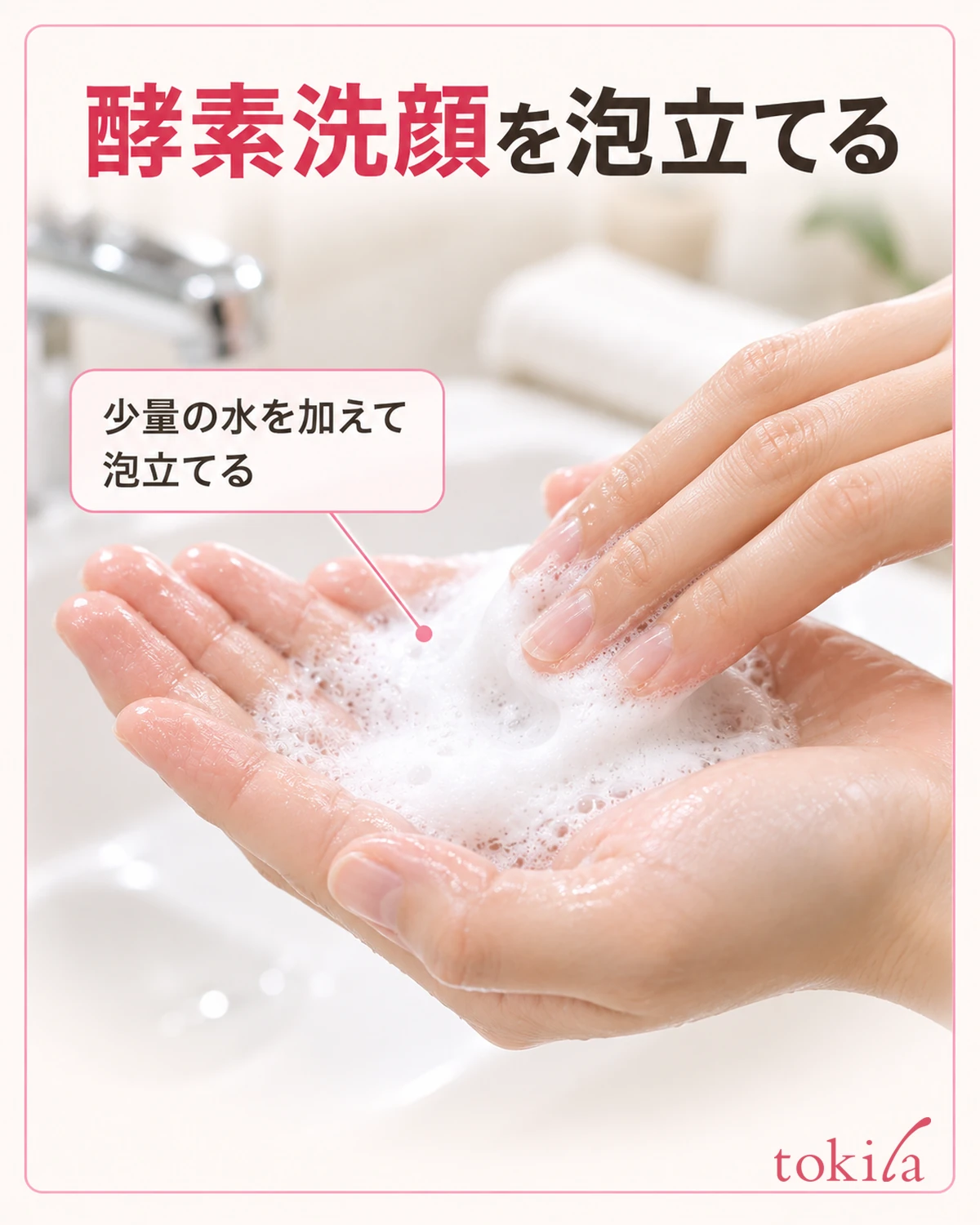
Add water or lukewarm water to the dispensed powder according to the directions. If instructed to add small amounts at a time, do not pour in a large amount at once; watch what remains in your palm. Even if you remember using another product’s capsule to measure water, do not reuse that method without the same instruction for your current product.
Support the contents with your receiving hand and use the fingers of the other hand to lather. If instructed to mix while incorporating air, move accordingly. Rather than rubbing undissolved powder onto your face, lather it thoroughly in your hands before moving it to your face.
Before adding water, look at what is currently in your palm. Some powder remaining and foam that runs off easily are different problems. Instead of adding multiple uses to achieve a particular look, first review the stated amount and the water you added.
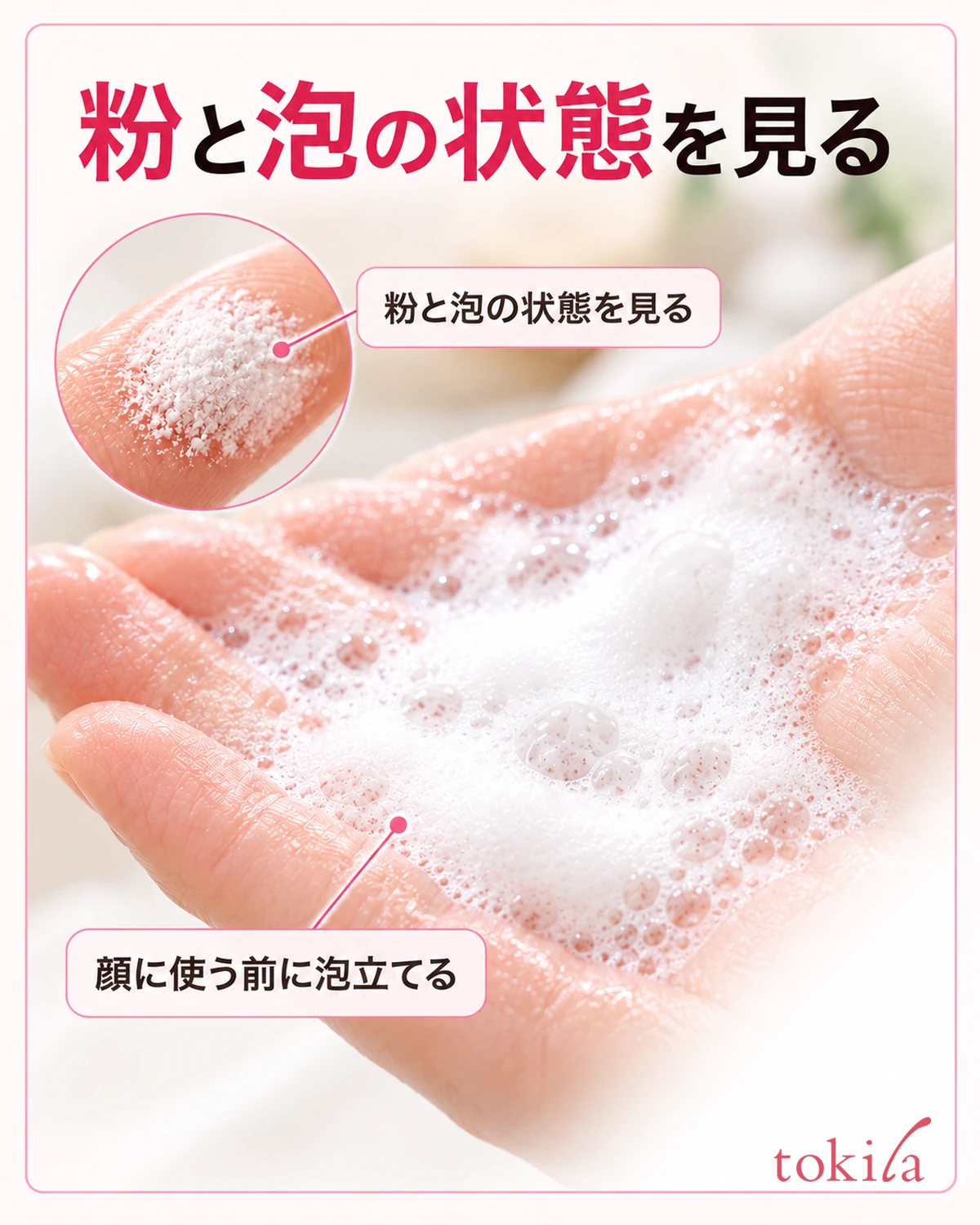
Foam height and fineness do not prove cleansing power or skin effects. Rather than continuing to build a tall mound, prioritize lathering in your hands before applying any powder to your skin. Continuing to add water after foam forms makes it run off more easily, so return to the directions and check.
When using a foaming net, follow the instructions for both your product and the tool, rather than rubbing the net directly on your skin. Check any directions on where to put powder, handling water, and collecting foam. Avoid switching between hand-lathering and tool-based methods partway through.
Rather than applying poorly lathered powder to your face, pause and review where the amount, water addition, or hand preparation differed from the directions. Return that one condition to the instructions next time. There is no need to assign one universal water temperature or lathering duration to every product.
4. Wash gently with foam and rinse the hairline and nose thoroughly

Once foam has formed, spread it over your face according to the product’s directions. Avoid adding steps such as pressing powder grains onto skin, scratching with nail tips, or washing only your nose for an extended time. Rather than increasing pressure where pores concern you, wash gently, paying attention to the contact of your finger pads and foam.
Keep it out of your eyes and mouth, paying attention to the area and handling. Rather than opening your eyes to look in a mirror mid-wash, move your hair aside beforehand and prepare to continue calmly through rinsing. Do not create your own mask time on the assumption that leaving foam on longer is better.
After washing, rinse thoroughly with water or lukewarm water. Go beyond the broad cheek areas and check for remaining foam at the hairline, sides of the nose, and under the chin. Avoid switching to a strong stream of water against your face or wiping off foam with a towel instead of rinsing.

The hairline is the boundary where fine hairs begin growing from the forehead skin. Securing your hair so this boundary is visible makes the rinsing area easier to locate. The photo clarifies its location; it does not demonstrate plucking hairs or pulling hair forcefully with your fingers.
It is also important not to judge rinsing solely by the feeling afterward. Rather than interpreting slipperiness or tightness as the strength of an effect, check visible remaining foam and the product’s rinsing directions. Even if your skin feels insufficiently clean, avoid repeating the same wash multiple times on the spot.
If it enters your eyes, follow the product’s precautions, such as rinsing immediately without rubbing. If you notice an abnormality during or after washing, stop use and check what to do next before seeking ways to continue. Do not treat irritation during washing as proof that it is working.
5. Blot away water, moisturize, and consider the next use

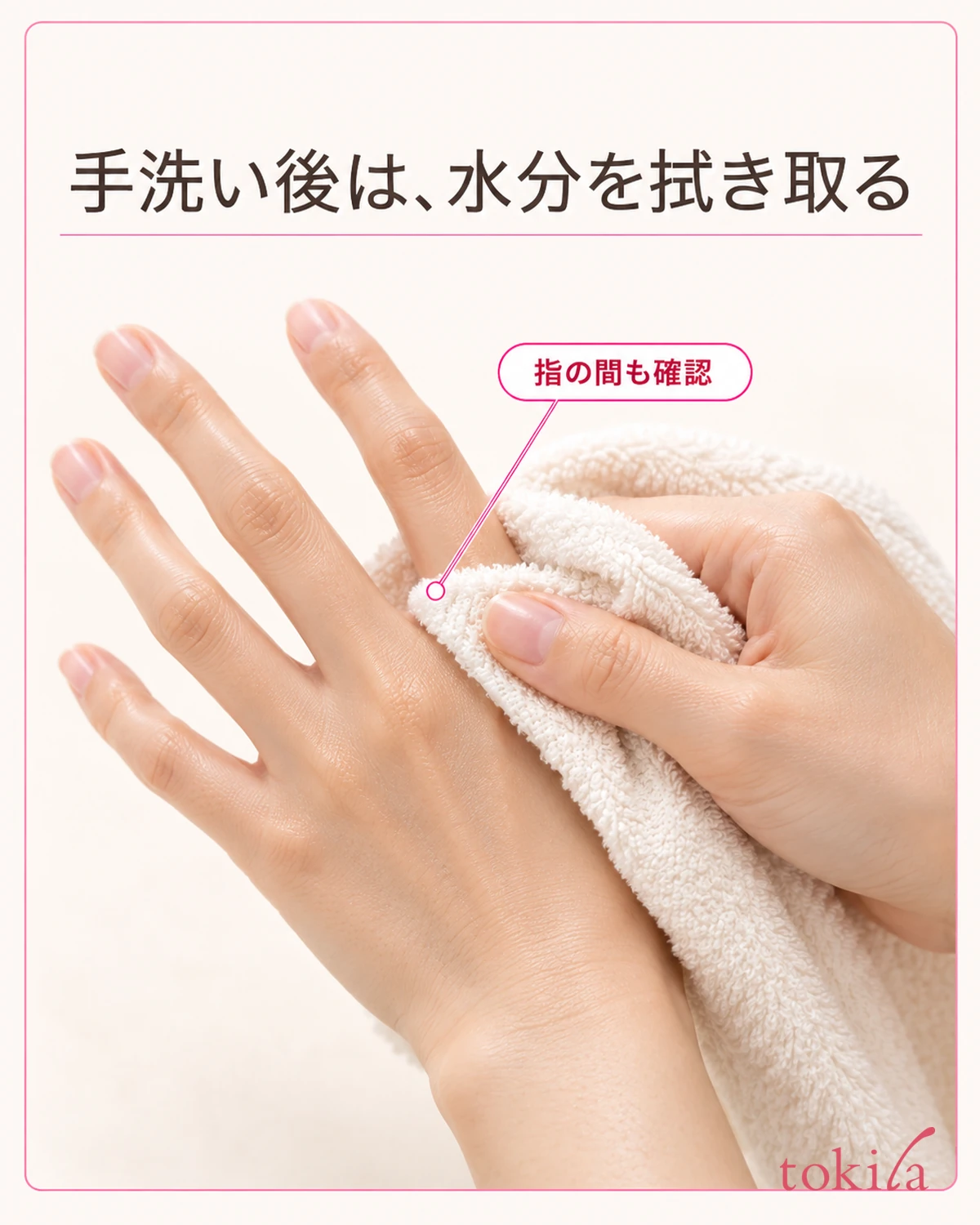
After rinsing, gently apply a clean, soft towel to blot away water. Rather than rubbing back and forth over your entire face, apply it to wet areas in turn. Check water at the hairline and under your chin, and avoid beginning the next step with water still running into your hair or clothing.
Then use your toner, emulsion, cream, or other products according to their respective directions. Rather than deciding to skip moisturizing because your skin feels refreshed, or adding many products at once, return to your usual care sequence.
When putting things away, separate opened packaging from the unopened remainder. Follow single-use instructions, rather than combining leftover powder in another container or keeping a water-added mixture until next time. Check storage precautions concerning heat and humidity, and avoid leaving it where splashes reach it.
Consider the next use based on both the stated frequency and your skin’s condition. It is not something to use simply to fill every scheduled day. Recording today’s product and frequency helps you review plans without confusing it with another cleanser. If taking photos, avoid interpreting lighting differences as differences in effect.
Match the next adjustment to the step that caused uncertainty. If powder ran off, review water addition; if powder remained on your face, review lathering; if foam remained at the hairline, review the rinsing area. Instead of increasing amount and frequency simultaneously, choose one condition to return to your product’s instructions.
For enzyme cleansing powder, reading frequency, one-use amount, lathering, and rinsing together helps organize use better than adding vigorous washing based on the name. Make foam in your hands before applying it to your face, then finish moisturizing and putting things away. Follow that flow according to the product’s directions.