After working cleansing milk into your skin, you may wonder whether to rinse it off with water right away or wipe it off with a cotton pad. Even among products that are all called milk, the way to remove them is not the same. First, check the steps that follow the massage-in stage on the label of the one you are using now.
This article covers cleansing milk made for removing makeup, and sorts out how to read the label, how to prepare your tools, rinsing and wiping off, and what to check after use. Do not confuse it with emulsion or leave-on moisturizing milk, and check the conditions for where it can be used and for the dampness of your hands as well.
1. Read the removal instructions, not just the word "milk"
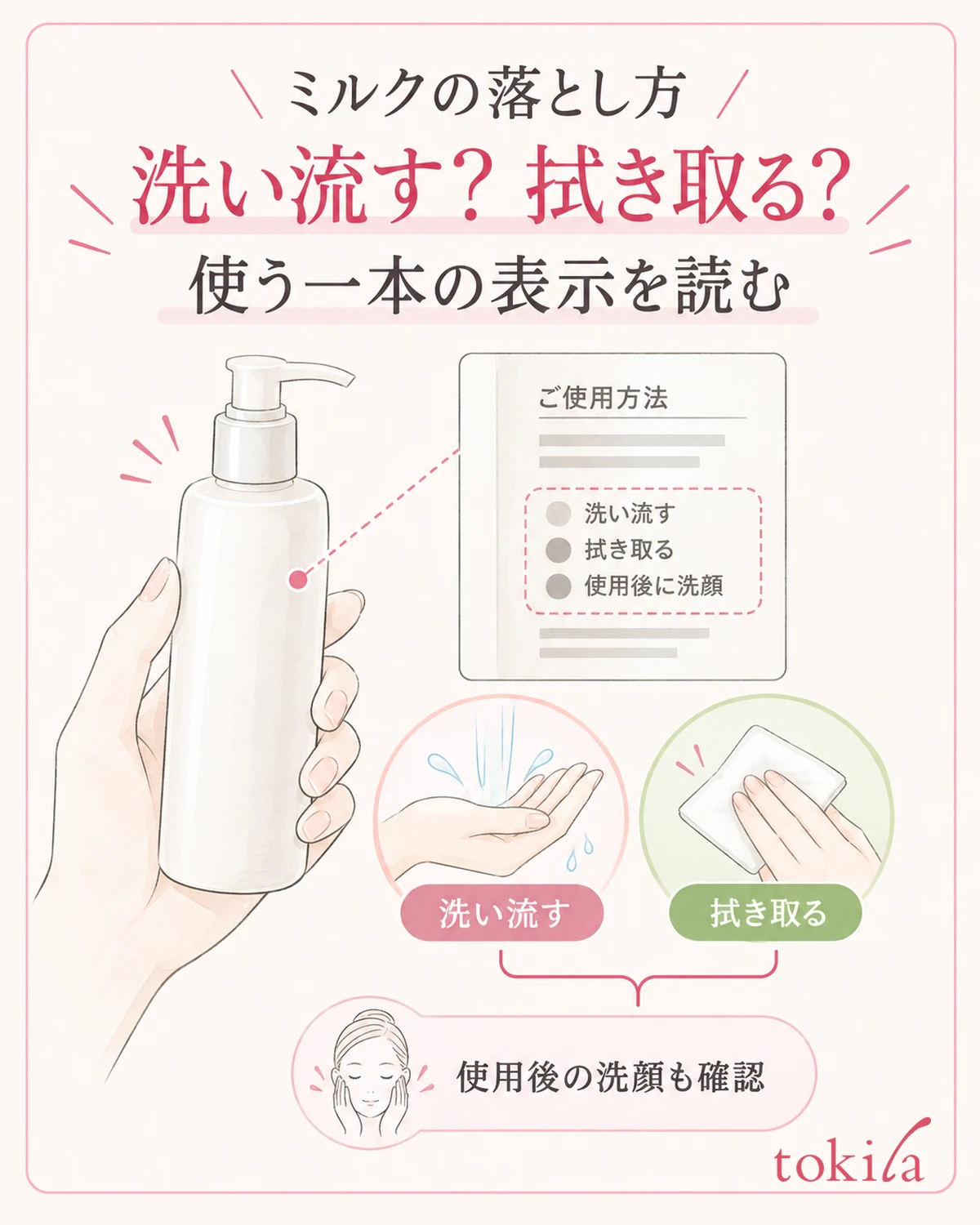
Look at the container and the outer box to read that it is meant for removing makeup, and whether it specifies rinsing off or wiping off. Some products describe both methods, but the method you learned with another bottle will not necessarily work for this one. Take the instructions of the product you are using now as your standard.
The order to read in is: the condition of the face it can be used on, the amount to take, how to work it in, how to remove it, and the face washing that follows. Do not fill in the gaps yourself, for example by always wiping with a cotton pad first because there is a rinsing instruction, or by skipping face washing entirely because it says wipe off. Read the instructions through to the end once before taking out your tools.
Also do not decide that "milk needs to be emulsified" or that "it has turned white, so the makeup is already off." Keep the steps that use the whiteness seen with cleansing oil as a signal separate from how you handle milk. If the product describes a change during the massage-in stage, check it only as a guide for that product.
Also read whether it can be used around the eyes and mouth, and whether stubborn makeup needs a dedicated remover. Do not assume one product can be used on the whole face; check it against how the makeup you applied should be removed, such as waterproof mascara. Before putting force on a stubborn spot, review the combination of products you are using.
If you cannot read the instructions, note the product name or model number on the container and look up how to use it. Do not substitute a bottle of a similar color or a different product from the same brand; check that the product in your hand matches the instructions. If you do not know how to remove it, there is no need to repeat rinsing and wiping over and over.
What you decide at this stage is the steps needed for the one you will use today. You cannot judge whether it suits your skin or how strong its cleansing power is from the shape of the container or the whiteness of the milk. First, check that you are ready to use it as the label says.
2. Separate what to prepare for rinsing and for wiping off
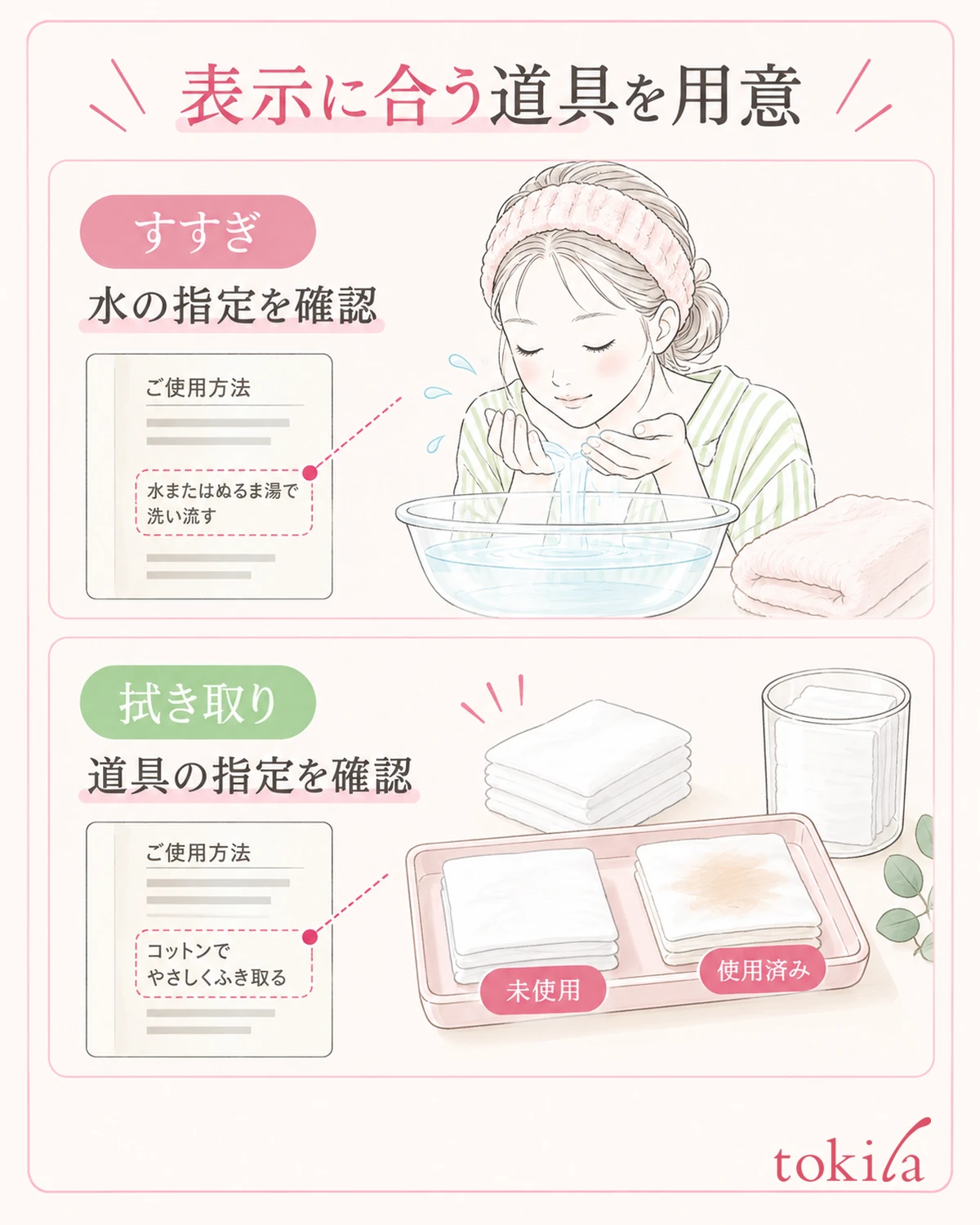
If it says to rinse off, check the conditions for water or lukewarm water, and keep your hair away from your face so you can rinse comfortably at the sink. Whether you use it on a wet face or a dry one is also a separate condition. Do not confuse being in a place where you can rinse with wetting your face before working the product in.
If it says to wipe off, prepare the specified cotton pad, tissue, or the like as needed. If it describes preparation such as dampening the cotton or squeezing out the water, follow those steps too. Do not treat every cloth you have on hand as the same tool; choose what matches the product's instructions.
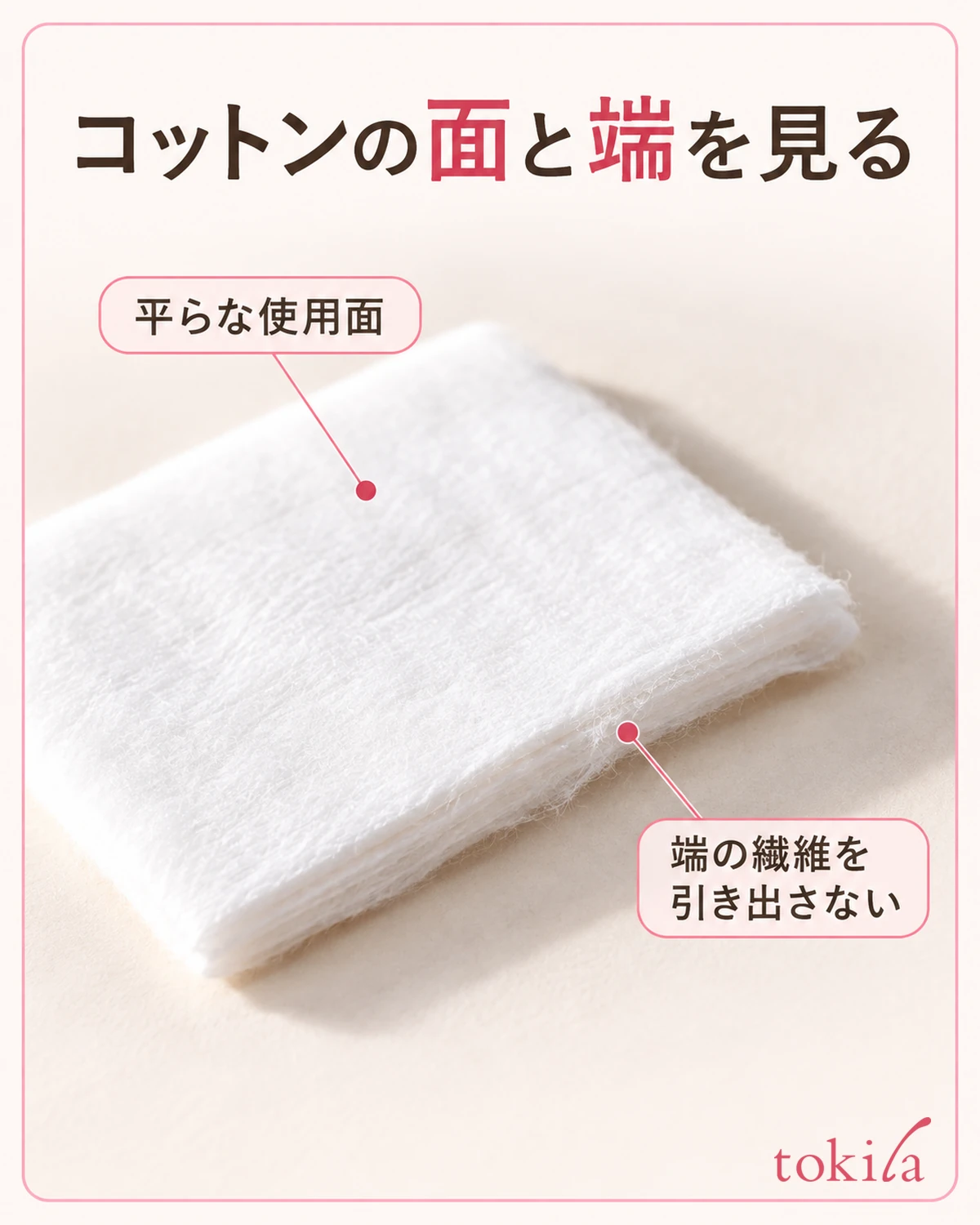
For cotton pads, look at the side you will use and the edges. Check the surface layer, the pressed edges, and whether there are loose fibers, and re-grip the edge so you do not fuzz it up. The edges look different on pads with and without a sealed rim, and having a rim does not by itself decide whether a pad is suitable for your skin.
Keeping a spot where you can easily take new cotton pads and a separate spot for used ones makes it easier to avoid mistakenly using a dirty side again. Rather than fixing a set number, prepare so that you can switch to a clean one whenever you need to. Decide where to put the container by looking at how water splashes.
After washing your hands, check on the label whether it is fine for your hands to be wet. If it specifies dry hands, wipe off the water droplets before taking the product; even if it can be used with wet hands, read whether there are conditions related to the state of your face or your makeup. Do not reduce the amount of milk on your own or prepare to dilute it with water.
If glasses or hair accessories get in the way of the task, sort them out first. So that you do not have to look for things midway, place the container, the tools you will use, and a place to throw things away within arm's reach, and do not mix the work of massaging in with tidying up.
3. Work it in with the amount on the label, then switch to the next step
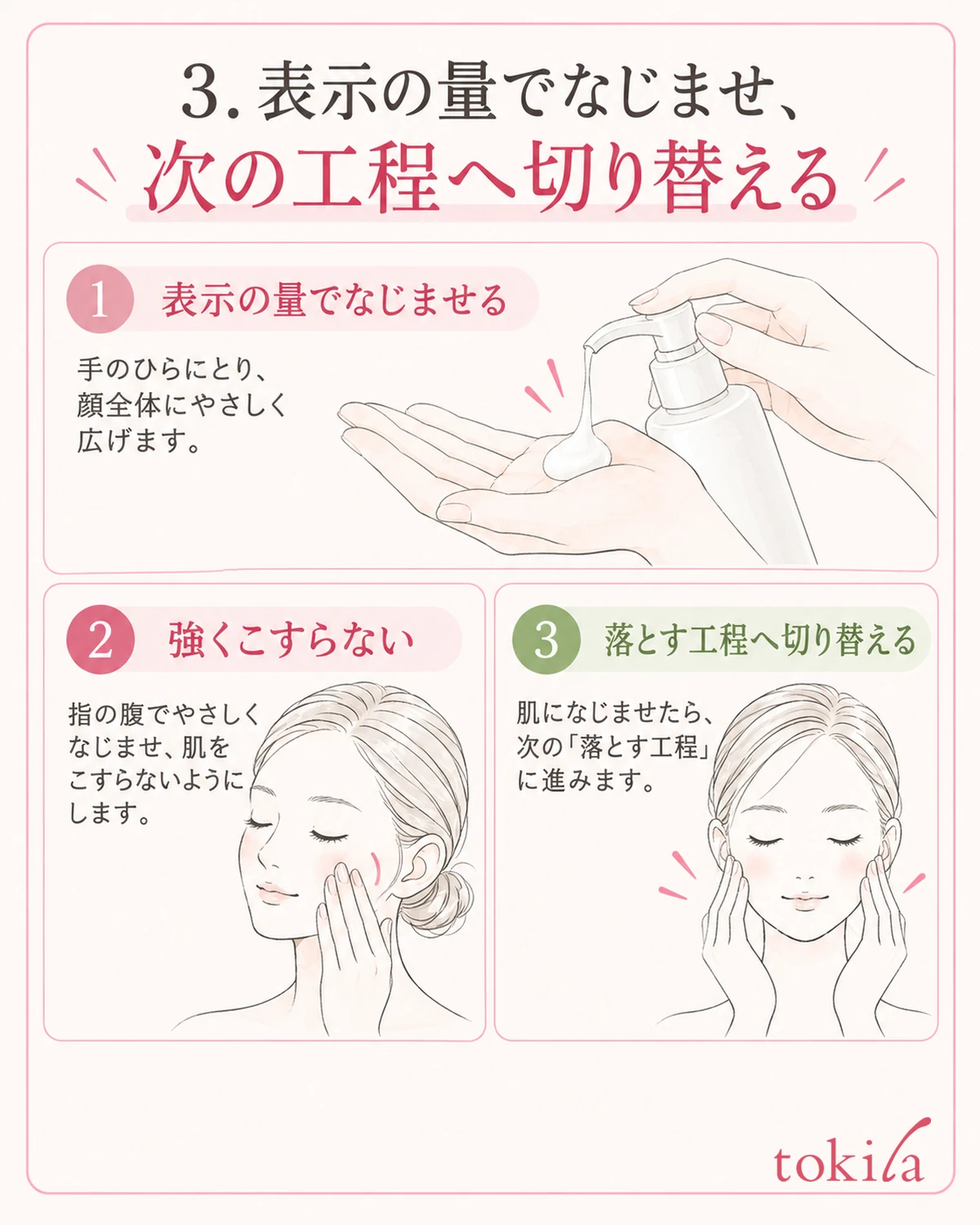
For the amount to use, check the guideline written for that particular product, such as the number of pumps or the size. If the container changes, the amount per push is not necessarily the same. Do not stick to the number of pumps you learned with a previous product; before bringing it to your face, check the amount you have taken and the area you will use it on.
Match the order and motion of working it in to the label as well, and do not press hard with your fingers to scrape off the color. Follow the cautions, such as keeping it out of your eyes, and do not spread it to areas that are not specified. Do not assume that rubbing only the stubborn spot for longer will solve the problem; first check whether it is the right makeup remover.
If a signal for when you are done working it in is given, use that explanation. If no time or feel is written, do not invent an end condition such as always continuing for a certain number of minutes or moving your fingers until the whiteness disappears. Rather than adding the instructions of another product, divide up the steps your current product needs.
When rinsing off, lift your hands away from working it in for a moment and switch to the motion of catching the water. When wiping off, pick up the tool you prepared and check a clean usable side. Do not clutch the whole unused cotton pad with a hand that has touched your face, so that you do not dirty the side you will use in the next step.
If you feel irritation or discomfort partway through, do not keep going with the sole priority of leaving no makeup behind. Stop according to the product's precautions for use, and check what treatment is needed. Following the amount and method you can use is different from using it all up even though something is wrong.
If you change the amount, the time, and the tools all at once, it becomes unclear what you checked. If what you always struggle with is how to remove it, focus this time on choosing the steps by the label, and do not move toward adding strong force or long time.
4. For rinsing, check the area the water reaches; for wiping, check the side you use
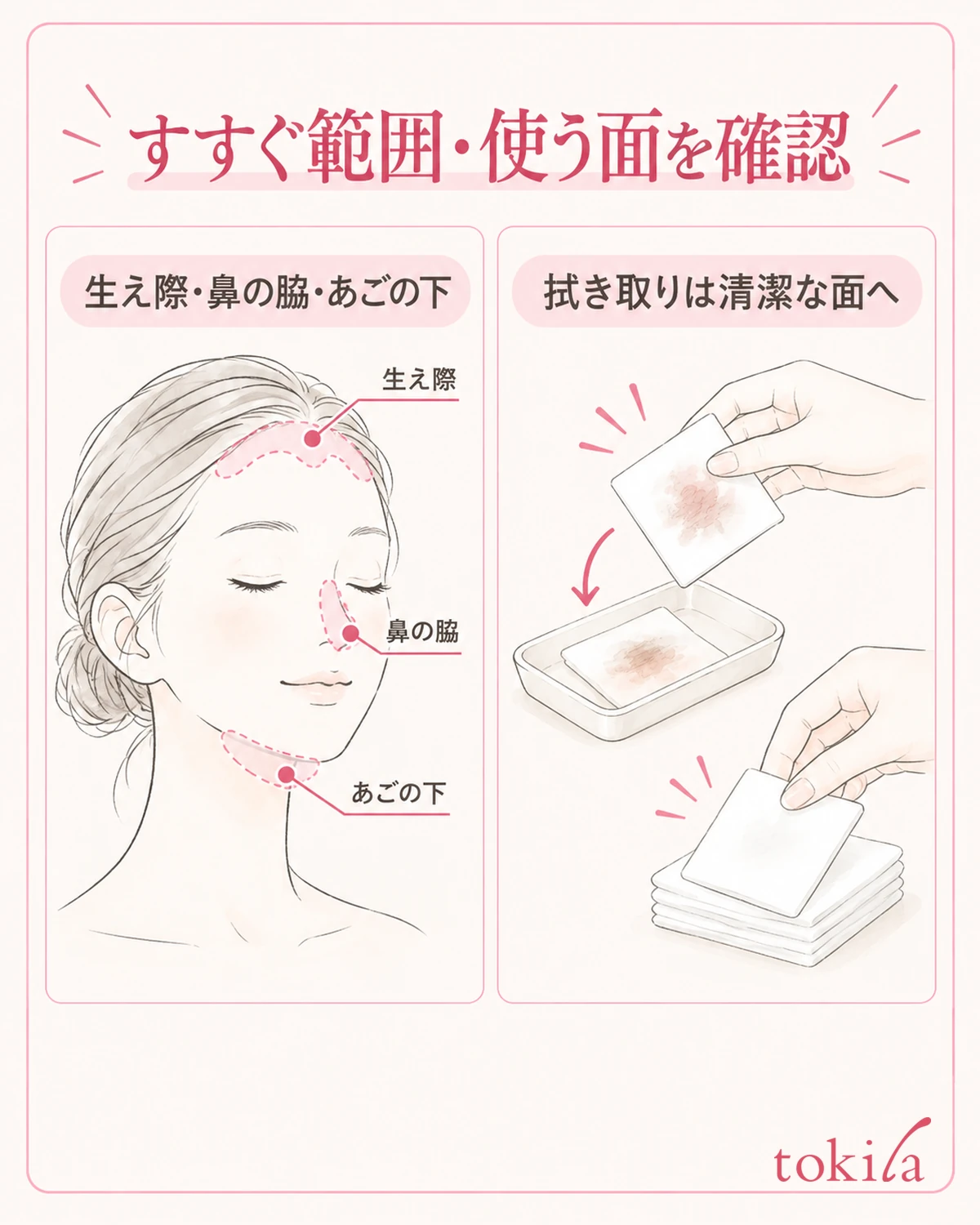
When rinsing off, follow the water temperature and method given for the product. Do not stop at the cheeks; also check the hairline where you worked it in, the sides of the nose, and under the chin. Even if you think you have moved your hair aside, check whether the edge of a cloth is covering the place you are washing, so that water reaches the areas that need it.
Do not check hard-to-reach places by scratching them with your nails or by aiming strong water pressure directly at them. Rather than chasing the feel of having rinsed and touching again and again, look in order for any area the water has not yet reached. If a number of rinses is given, treat it as the procedure for that product.
If wiping off is specified, remove it gently with the tool and motion indicated. Do not repeatedly rub other areas with the side that has makeup on it; switch to a clean side. There is no need to change to a use that is not specified, such as tearing the same cotton pad thin to get a new side.
Do not press so hard that you pull the skin of your cheeks just because you want to remove the dirt. If the cotton pad feels hard to use, review the dampening instructions, the amount, and the type of tool before making up for it with force. If you are concerned about fuzz, you can also check the article on reviewing cotton pad lint for how to hold it.
Even for a product that lets you choose either rinsing or wiping off, do not read that as meaning it will not come off unless you do both. Proceed, following the instructions, through to whether the face washing that follows is needed. Do not make changes such as rinsing a wipe-off-only product with water, or finishing a rinse-off product with just a tissue.
If leftover color bothers you, separate the makeup you used and the area. If it is only around the eyes, check a removal method that can be used on that area before washing your whole face again and again by the same steps. It is important not to assume that the amount of milk or friction alone can handle it.
5. Check the face washing after use, and even the preparation for the next time
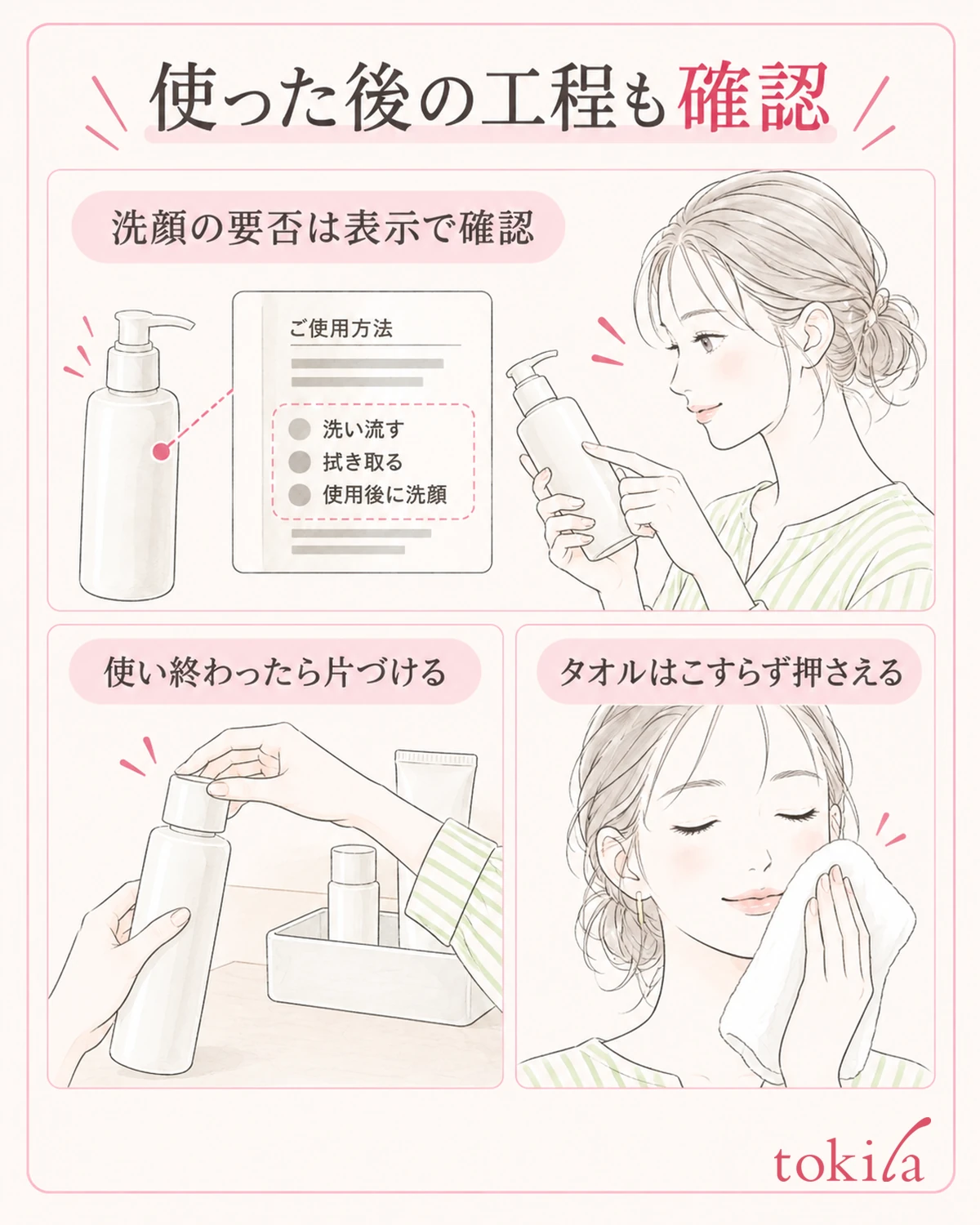
Whether you need a face wash after removing makeup should be checked product by product. Do not make it a shared rule such as "it's milk, so always wash your face" or "it's a wipe-off, so don't wash your face." If the directions for use list steps that follow, look at that order as well.
When you dry the water on your face, prepare a clean towel and pat rather than rub. A towel whose surface has loops of thread has a different structure from the flat layer of a cotton pad. Take care not to snag a ring or a nail on the pile, and touch your face only after smoothing the side you will use.
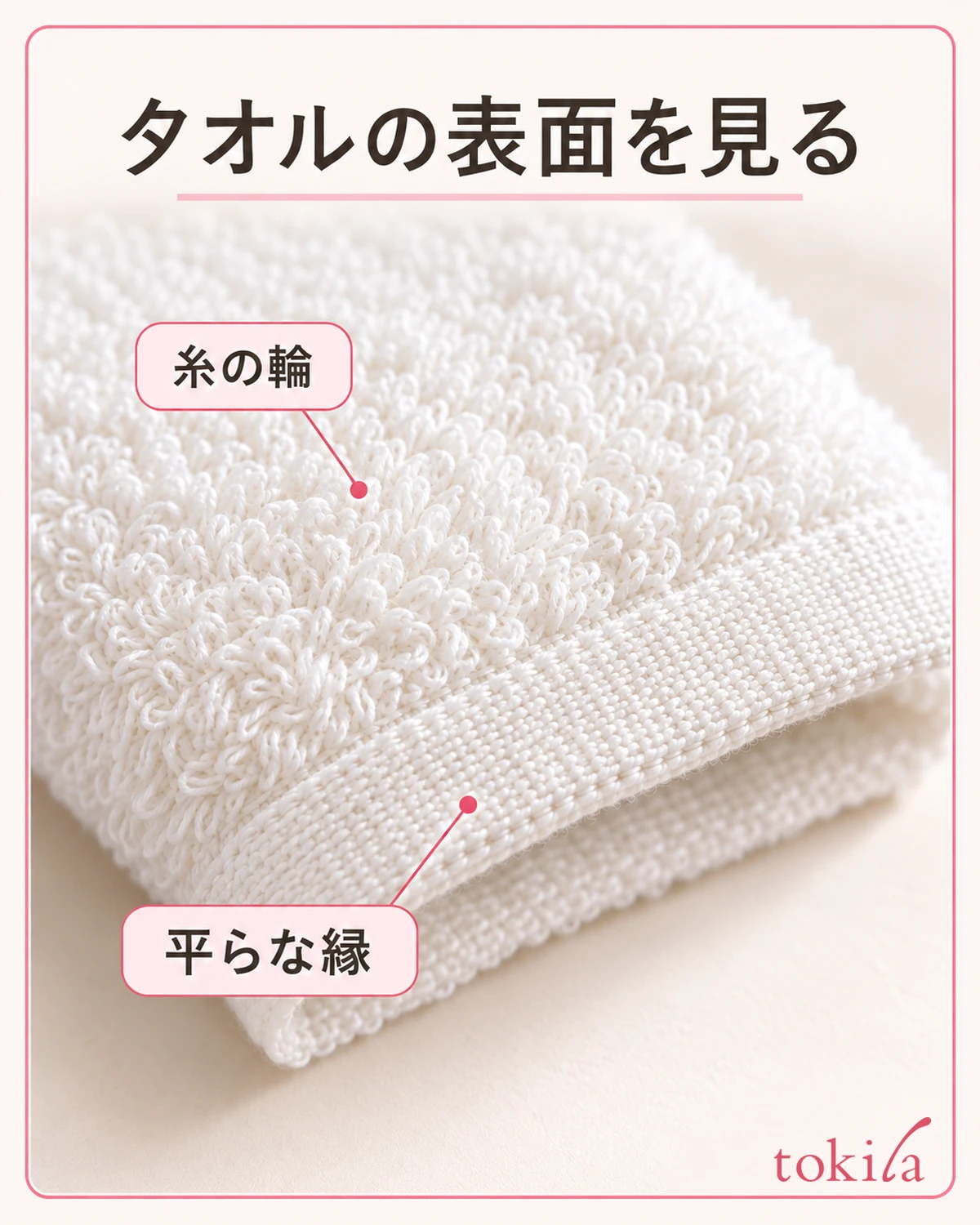
Even if a cotton pad and a towel both look white and soft, do not swap their roles across the board. Use the towel that takes up water after rinsing and the wipe-off tool specified by the product separately. Also check the type of cloth and how to care for it, and do not bundle it up while still wet; tidy it according to the care label.
When there is residue on the mouth of the container, care for it according to the product's instructions. Do not add water inside or put leftover product back; check around the cap and the pump, then store it. Return clean tools to a place where they are easy to take next time, so they do not get mixed with used ones.
The notes you leave for next time can be short phrases that match the steps you were unsure about, such as "I read that it says to take it with dry hands" or "move the cloth away from the hairline before rinsing." Do not declare success or failure from the feel of your skin alone; remember separately what you used and which method you used to remove it.
With cleansing milk, start not by deciding how to remove it from its name, but by reading the label and preparing your tools. Choose the step that follows working it in, check the area to rinse or the side to wipe with, and then sort out the face washing after use and the tidying up, and you will find it easier to spot where you hesitate next time.