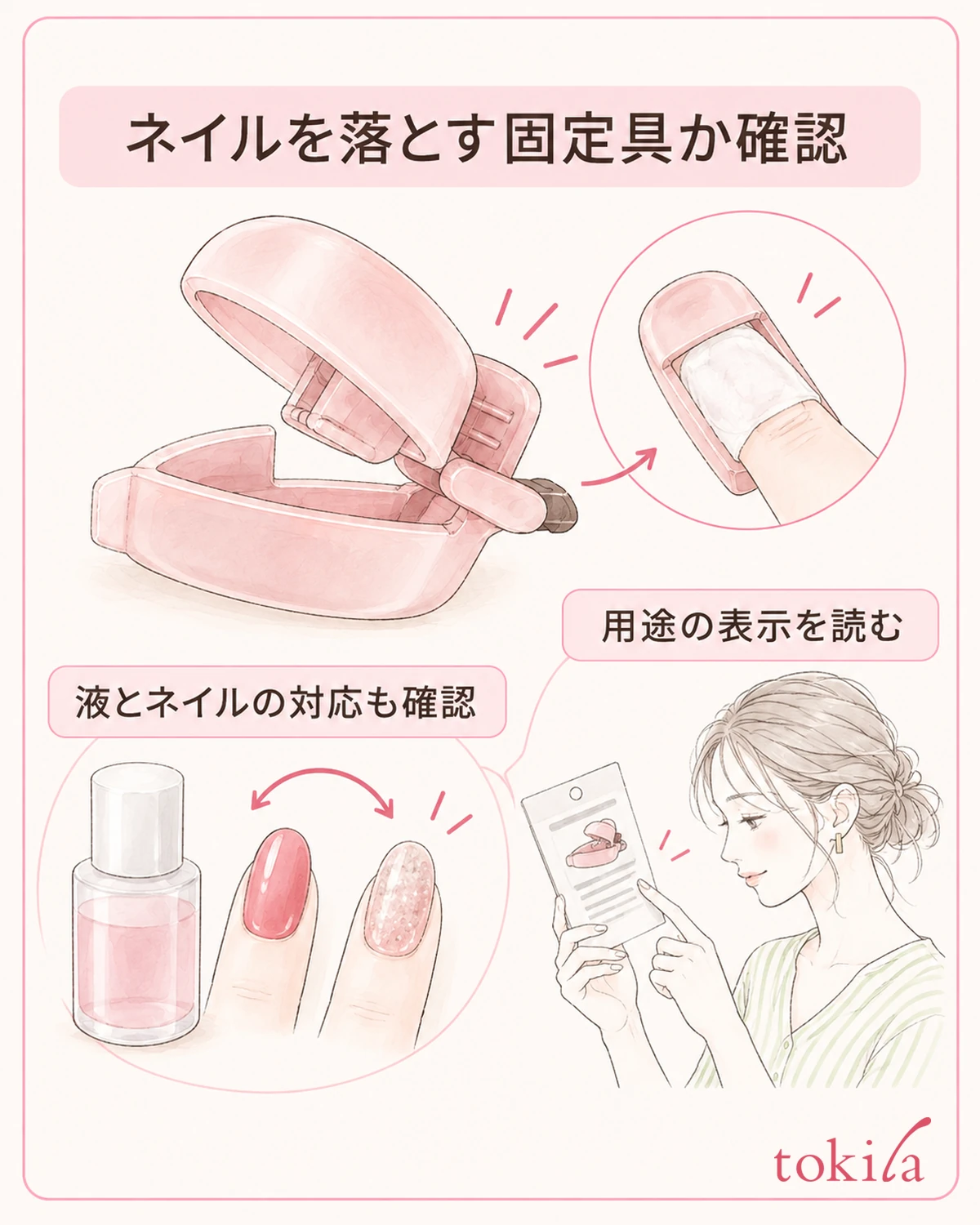
Should you apply body oil to wet skin in the bath, or after wiping off with a towel? When you are unsure, check as one set the "skin moisture," "point of application" and "finishing steps afterward" that your product's instructions give. Not every product is used the same way just because it is called an oil.
Here we explain the preparation before using a cosmetic oil applied to the skin of the body, and what to check as you spread it. Bath oils added to the tub, cleansing oils that are rinsed off, and essential oils enjoyed for their scent are different uses. First read the intended use and directions on the container, and confirm that it is a product that can be used directly on the body.
1.Check at which point after bathing to use it, together with the moisture of your skin
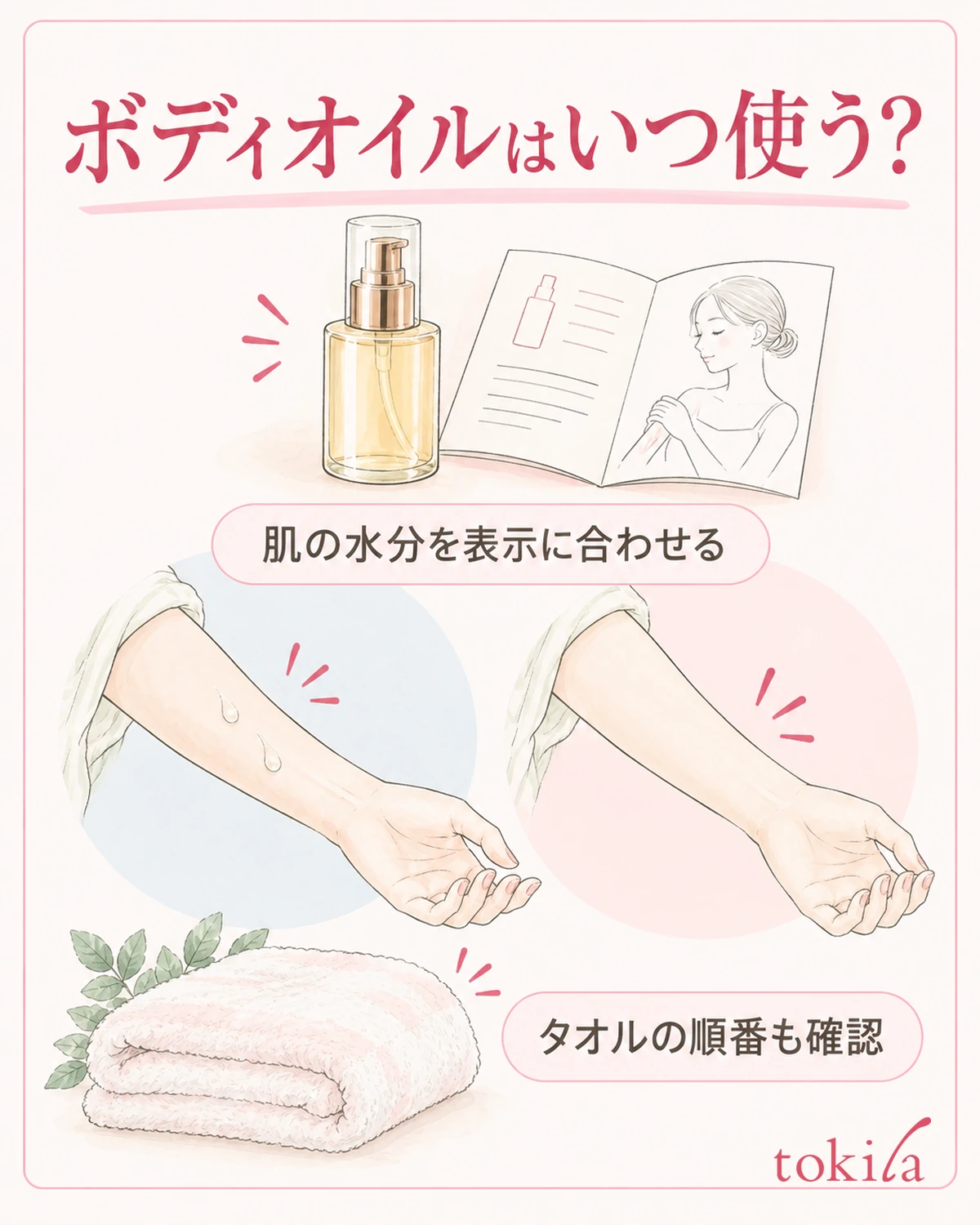
What to look at first is not just the words "after bathing" but the explanation before and after them. Check whether the instruction is to apply to wet skin, after lightly wiping off the water, or after drying your body. Even right after a bath, where you use the towel changes the condition of your skin before application.
If the container carries only a brief description, also read the box or enclosed directions for the same product. Do not substitute the description for a different scent or another product from the same brand; use the one whose name and use correspond to the container in your hand. Do not fill in the parts you cannot read with the order of another oil you usually use.
If use on damp skin is described, check how to handle moisture within that condition. If you also look at whether to leave water droplets, press lightly first, or use the towel after application, you are less likely to hesitate partway. Do not treat being able to use it on skin with some moisture as the same as being fine to handle the container with wet hands.
If it is specified for dry skin, start after removing moisture in line with that instruction. Do not make adjustments such as adding water to help it spread, or changing the order because wet skin is always better. If you are unsure how to take moisture off, start by reviewing the motion of pressing a towel on the skin without rubbing.
At the preparation stage, also decide where to place the towel, the container and your change of clothes. Make it possible to use it in a place with stable footing, without reaching for a distant shelf while wet. Even if the directions say it can be used in the bathroom, that does not mean it is fine to drop oil on the floor. Choose a place where you can calmly separate taking it out and applying it.
For the surface on which you set the container, choose a dry, stable place. If you pull it toward you while it stands on a towel it is easy to knock over, so also check how far you have to reach. If the preparation is not in place before use, tidying up first and then starting lets you reduce the number of times you switch the container between your hands partway through.
2.Check the amount per use and the dispensing opening, and break down the motion of putting it in your hand
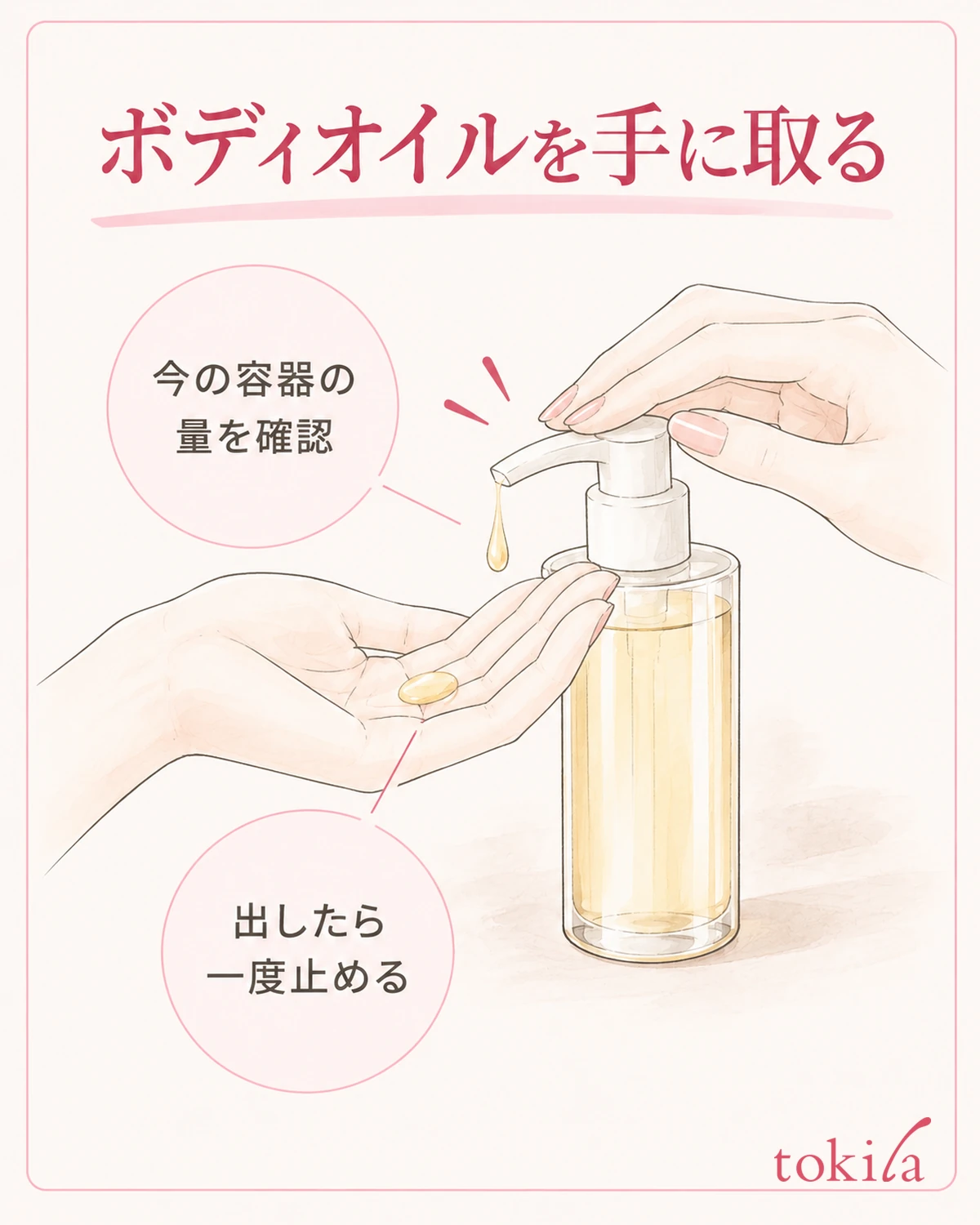
Next, check how the amount per use is written: number of drops, number of pumps, an appropriate amount, and so on. Do not carry over the "a few drops" you learned with another container as it is; start from the guide for the product you have now. If the amount for the whole body and the amount to take in your hand at one time are given separately, read that order as well.
Pumps, narrow inner plugs and droppers all differ in how you hold them and how the oil comes out. Press a pump while keeping the container steady, and for the type you tilt to dispense, handle it while watching the position of the opening. Do not turn a container you are using for the first time upside down with force; break the motion of taking it into your hand into steps, and check the amount that came out before bringing it to your skin.
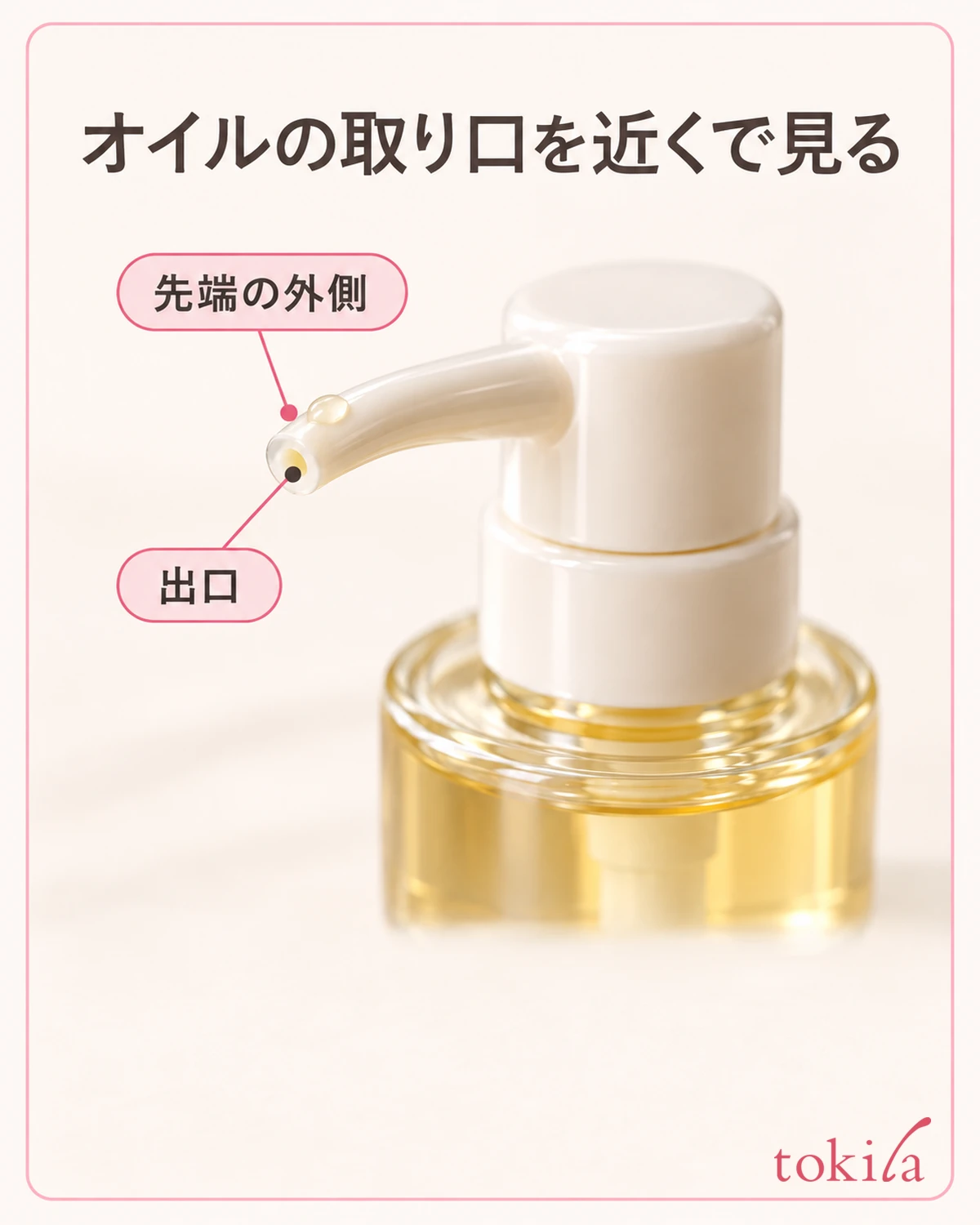
When the opening is hard to see, check the tip of the nozzle or the hole of the inner plug in a bright place. Distinguish liquid left on the outside from the contents of the container, and do not insert a tool or widen the hole just because it looks clogged. If you do not know how to open the cap or lock, do not take it apart; return to the original way of handling it.
If the directions say to take it in your palm, receive it with clean hands. Do not switch to pressing the mouth of the container against your skin to apply it directly; look at the amount in your hand before using it. Passing the lid or towel between your hands repeatedly while your hand is oily makes the work hard to continue, so deciding in advance where to place things also helps.
You do not need to spread a larger amount thickly in unplanned places in order to use up what came out. Do not return what you have taken out to the container, and dispose of what you will not use according to the label and the disposal rules in your area. Think of how to deal with leftovers and the amount to take out next as separate, and do not add more on top of what is already in your hand.
3.Spread gently over the areas where it can be used, and do not keep rubbing the same spot
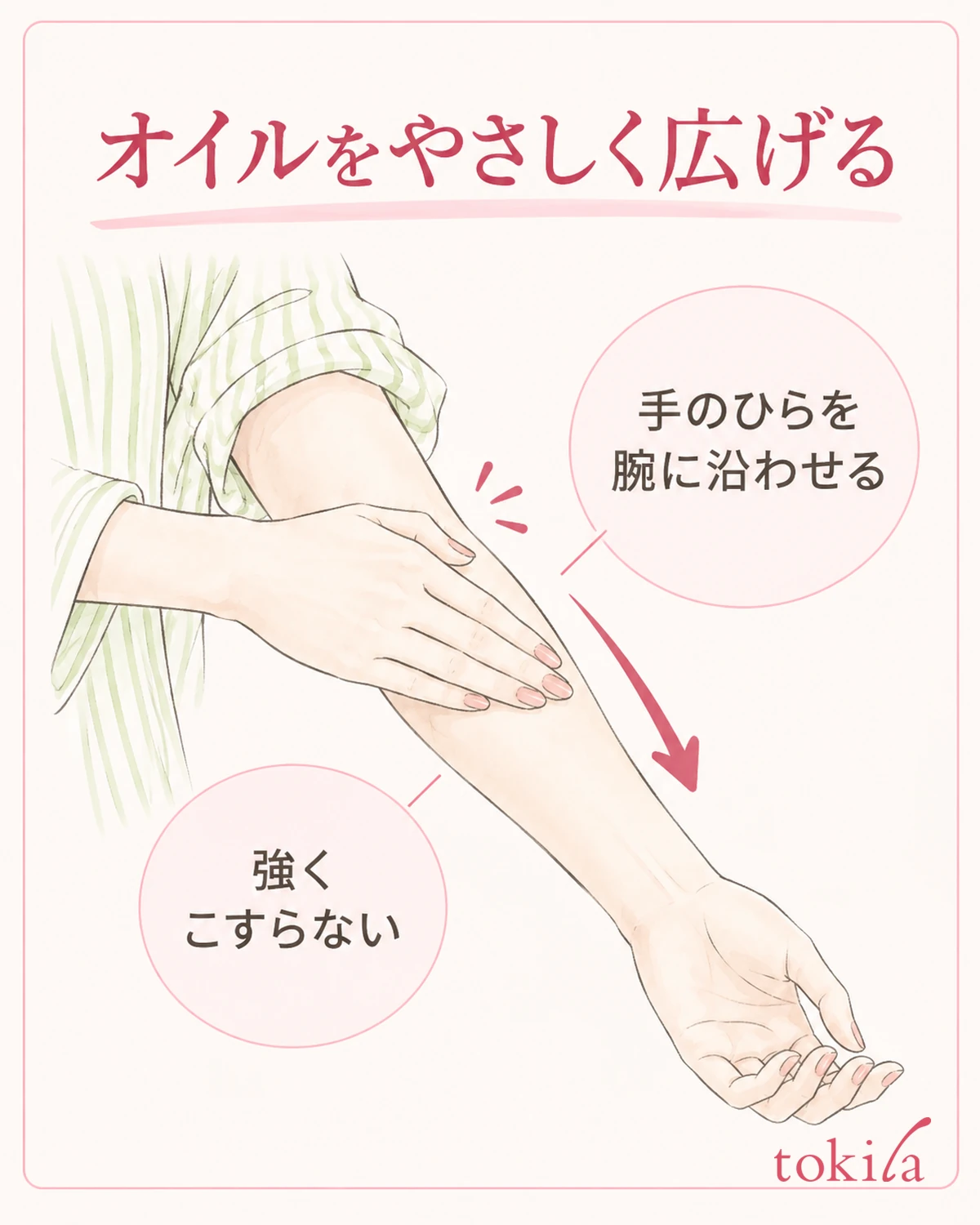
Before you start applying, check which areas of the body it can be used on. Because it is for the body, it cannot necessarily also be used on the face, scalp or near mucous membranes. Even for a product with several uses written, do not use the same amount and steps for each area; choose the explanation that matches the place you are about to apply it.
If the directions say to spread it on your palms first, after spreading it over both hands, touch your skin gently. Do not press it in firmly or go back and forth until your hands stop gliding; blend it in gently with the movements given in the directions. Do not replace the instruction to warm it with your hands with heating, such as putting the container in hot water or using a microwave.
For example, when using it on a forearm, let your palm follow the curve of the skin and proceed while watching the area you are applying to. Rather than searching for places not yet covered and going over the whole area many times, check by dividing it into the areas where you can use it. Avoid movements such as pulling the skin hard or adding so much force that it makes a rubbing sound.
If it feels like it has stopped spreading, do not immediately add a large amount of oil; look at what is left in your hand and the area you have covered. If it has pooled in just one place, finish the specified way of blending before taking out a new amount. Also avoid stretching it thinly over an area so wide that it differs from the product's guide to the amount.
Even if the usage examples include massage, that does not mean the stronger the better. Do not add other actions, such as grasping firmly to change the shape or pushing it along with a tool. If you notice something unusual, such as redness or irritation, do not assume it is only a matter of amount or moisture; follow the product's cautions, for example by stopping use.
4.Where to use the towel, and getting your hands ready before changing clothes
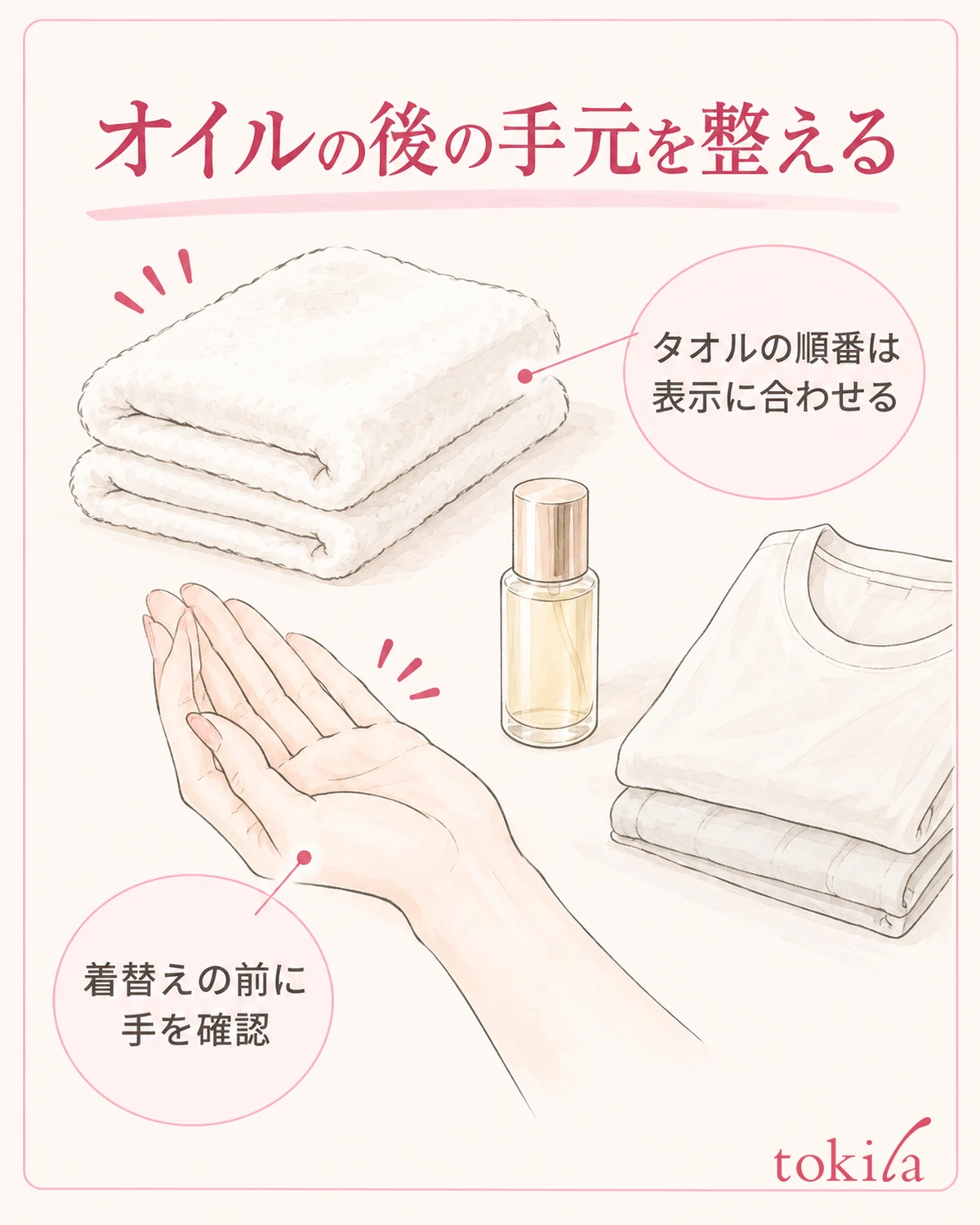
When you finish applying, check what is specified to do next. Do not treat a type where you lightly remove moisture after applying and a type you simply blend in as the same way of using the towel. Do not wipe off hard because water droplets remain, or press over and over until the sheen is gone.
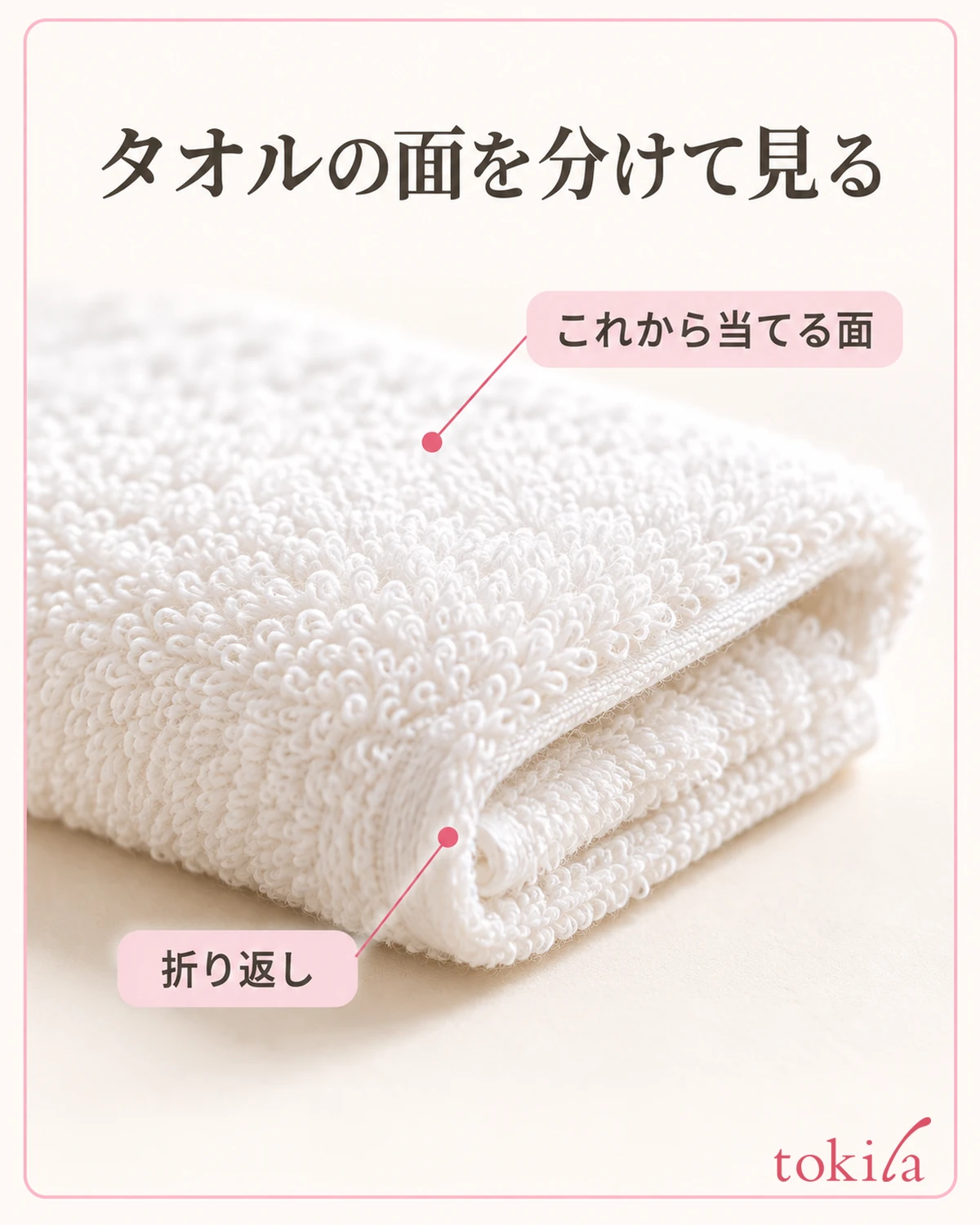
If the directions say to use a towel, touch it gently with a clean side. Keep the part you used to dry your hair, now damp, apart from the part you are about to put against your body, and hold it mindful of where there is oil. Do not change it into a rubbing motion with the corner of the towel; if your hands are slippery, close the container first and return to a stable posture.
You do not need to decide that you have applied too little or too much from the visible sheen alone. The original finish differs from product to product. It is important to look separately at whether liquid is pooling on the surface or it is just shining thinly, and not to fall into a pattern of adding a new amount every time you touch it with your hand.
Before touching your change of clothes, check the oil remaining on your palms. Clean up what got on the container or the floor too, and do not walk around while it is still slippery. If you are concerned about it getting on your clothes, review how that product finishes, and do not decide on and apply a common waiting time such as how many minutes until it dries.
Handle towels and clothing that have oil on them according to the labels of the product and the laundry products. Cloth with beauty oil on it should not go into a dryer even after washing; hang it to dry following the care label of the cloth. Create a place and a flow that is easy to use, including the cleanup, and do not set things up so that you reuse a damp cloth the next day.
5.If stickiness bothers you, sort out one condition for next time
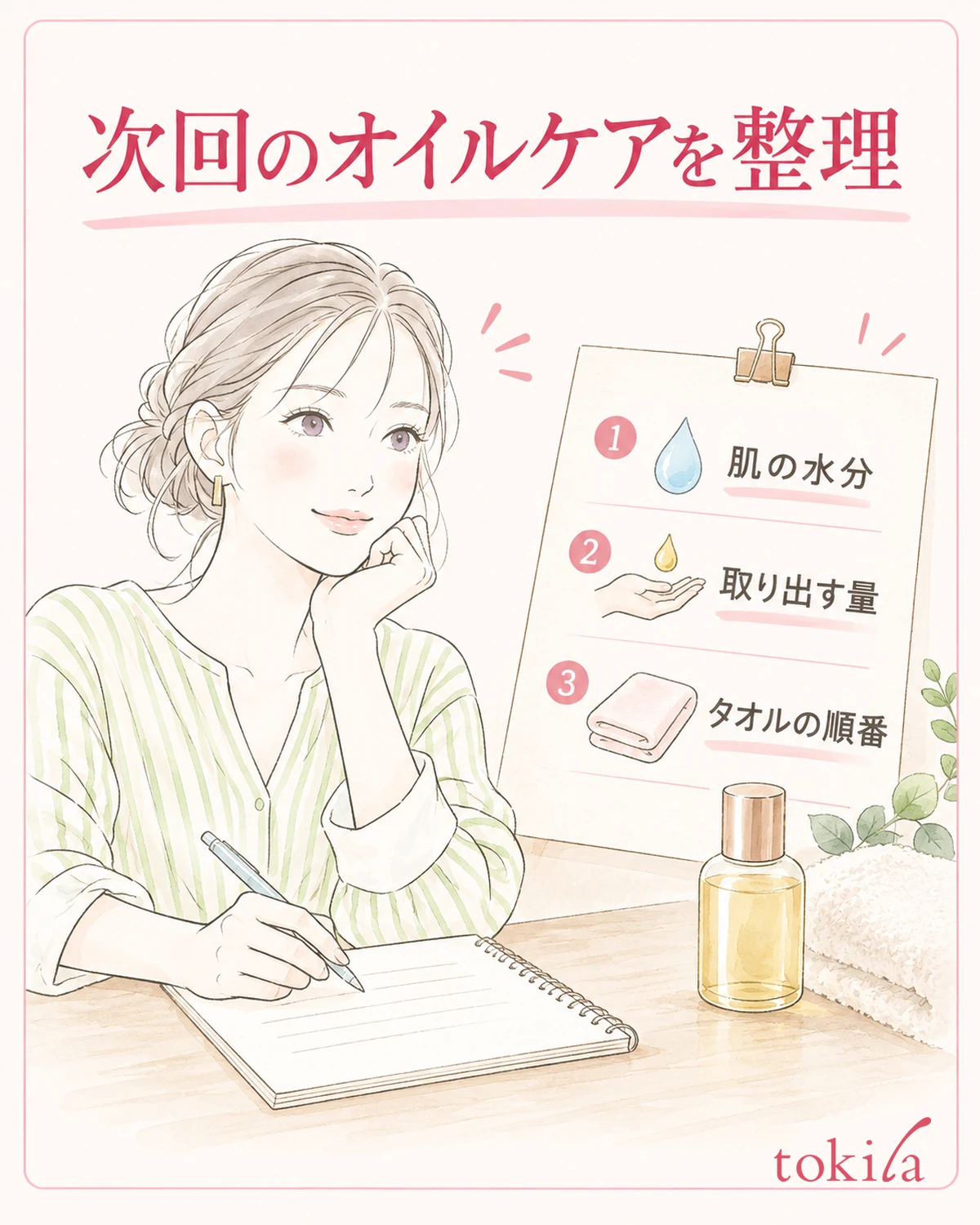
If stickiness bothers you after use, first look at the product's directions and your own steps side by side. Look back one by one: whether it was "use on wet skin" or "use after removing moisture," which guide the amount followed, and where you used the towel. You do not need to conclude right away that the oil does not suit you based on the feel alone.
Next time, while staying within the labeling, review one of your own actions, such as how you take it out. Check whether you suddenly changed the angle at which you tilt the container, or took out too much at once. If you change the amount, the moisture and the other products you layer all at once, it becomes hard to tell which change made it easier to handle.
If you want to layer another body milk or cream, check the intended use of each and the guidance on using them together. Do not follow a common order such as "oil is always fine if used last" or "any oil spreads if you add toner." If you are unsure, do not add new combinations; return to the directions for the original product.
If you keep notes, briefly write the product name, the point at which you used it, how you handled the skin's moisture, the guide to the amount, and the action you changed. Do not turn it into a record that measures moisturizing effect or a verification that the same amount suits other people. It is enough if the you of the next day, picking up the same container, can tell which directions you used.
Even with the same bottle, the places and time you can prepare differ between before changing in the morning and after bathing at night. Within the timing the product allows, choose the situation in which you can use it without strain. On a busy day, do not increase the amount to get it done in one go; take it in within the range you can handle as the directions say.
When you switch to a new bottle too, do not carry over the old way of using it as it is; reread starting from the intended use and the moisture instructions. The timing for body oil is not only a choice between wet or dry, but a procedure connected through to the amount, how to apply it and the finish. Check the one set that suits the product you own, and build a flow you can keep up comfortably.