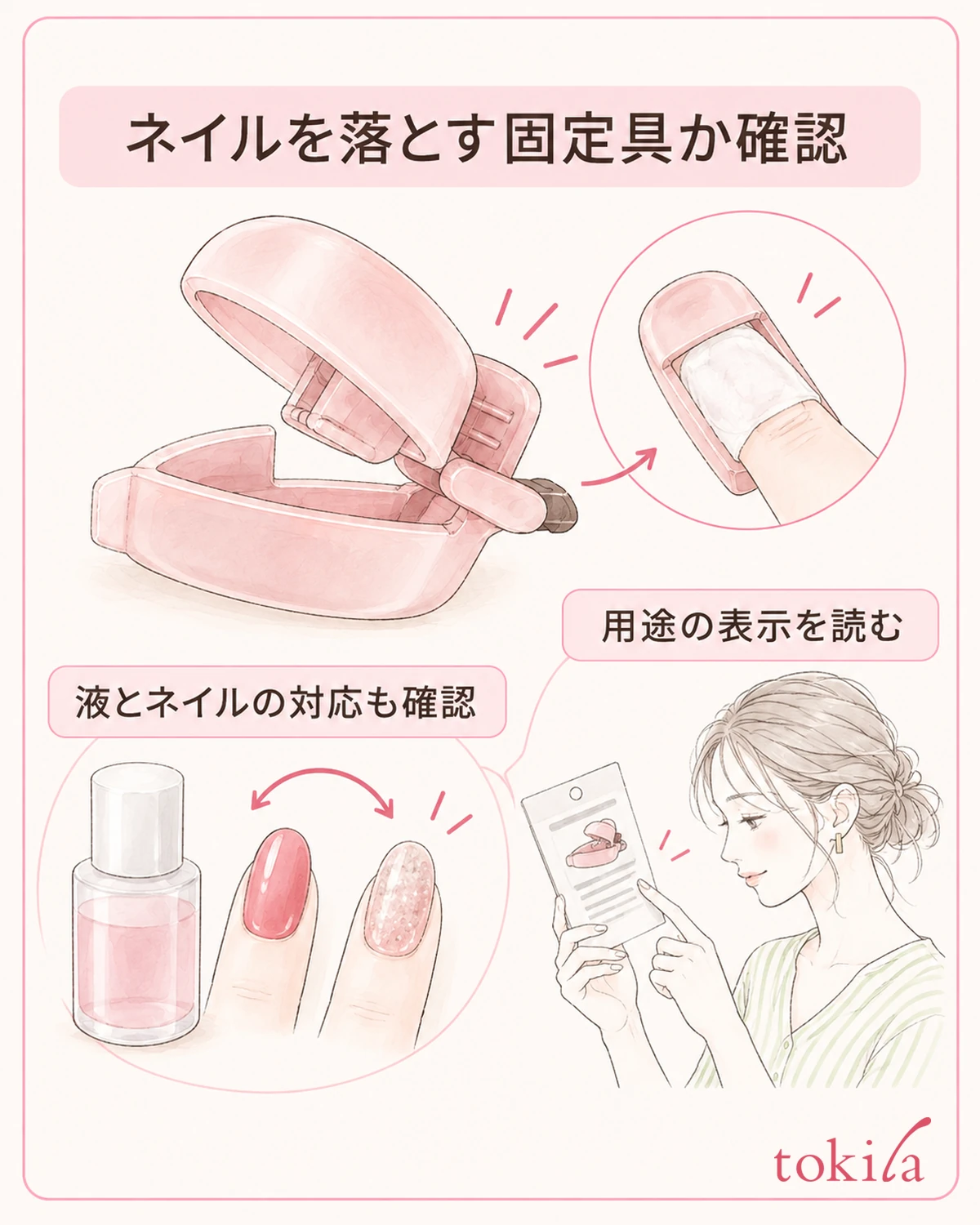
You sprayed facial mist toner on your face and got one big water droplet in one spot. After using it over makeup, you were unsure whether it was fine to press it with your hand. In such cases, before increasing the number of sprays, check the container's labeling and your spraying method separately.
Even among mists, there are those you shake before use, those you use without shaking, those you blend in after spraying, and those you leave untouched until dry. Here we organize the order of using a facial mist toner according to the conditions of your own product. Please do not apply this as is to makeup-setting sprays or hair sprays.
1. Check on the label whether it can be used on the face and whether it needs shaking
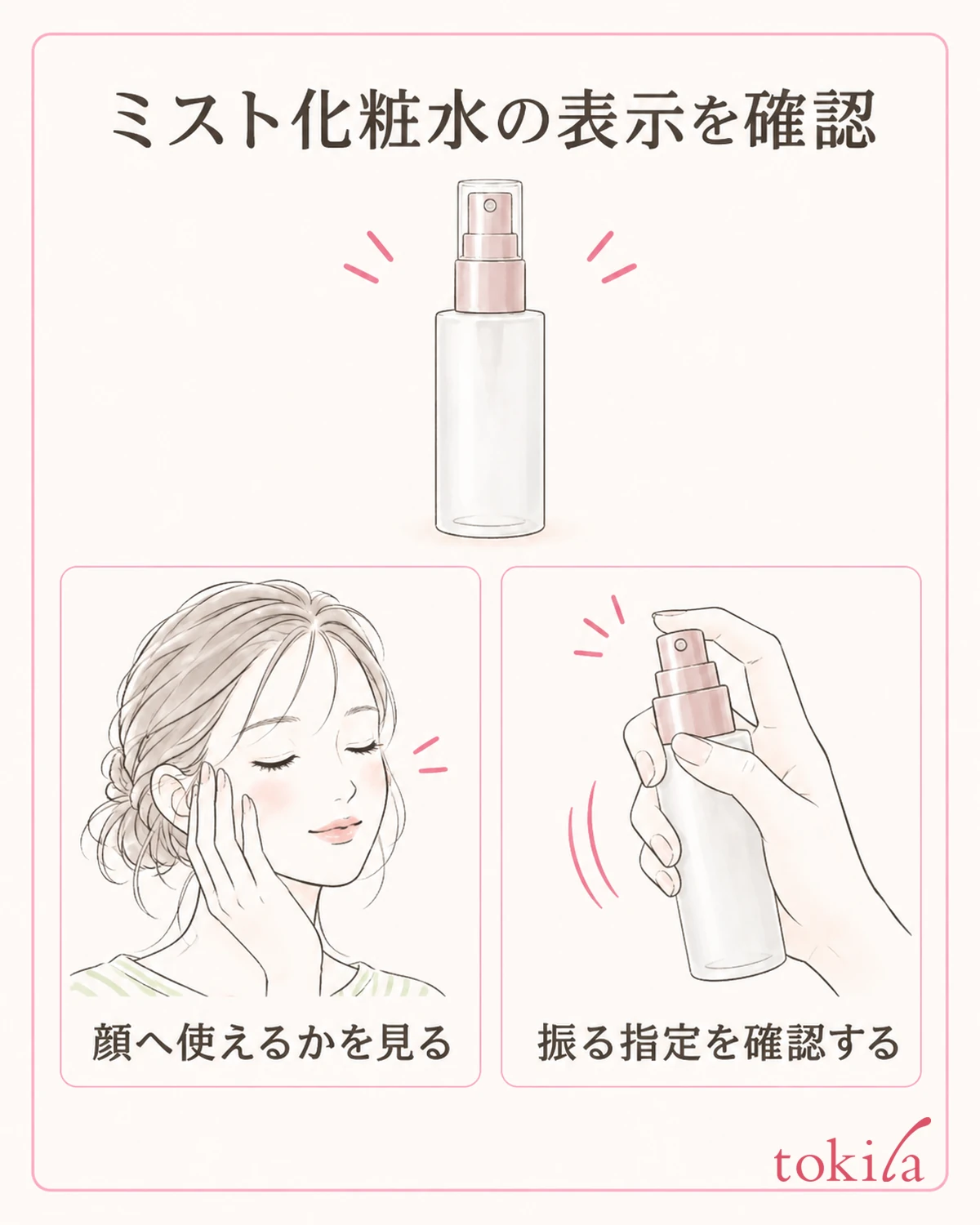
First, confirm "toner" and "for use on the face" on the bottle and the outer box. Even if a container produces a fine mist, the handling is different if the contents are for hair or for enjoying a fragrance. If you keep similarly shaped containers on the same shelf, recheck the product name and intended use before removing the cap.
Next, look for the instruction on whether to shake. For products where two layers are mixed before use, shake them as labeled. On the other hand, there is no need to shake out of habit a container that is stated to be used without shaking. Do not guess either way because you cannot see inside.
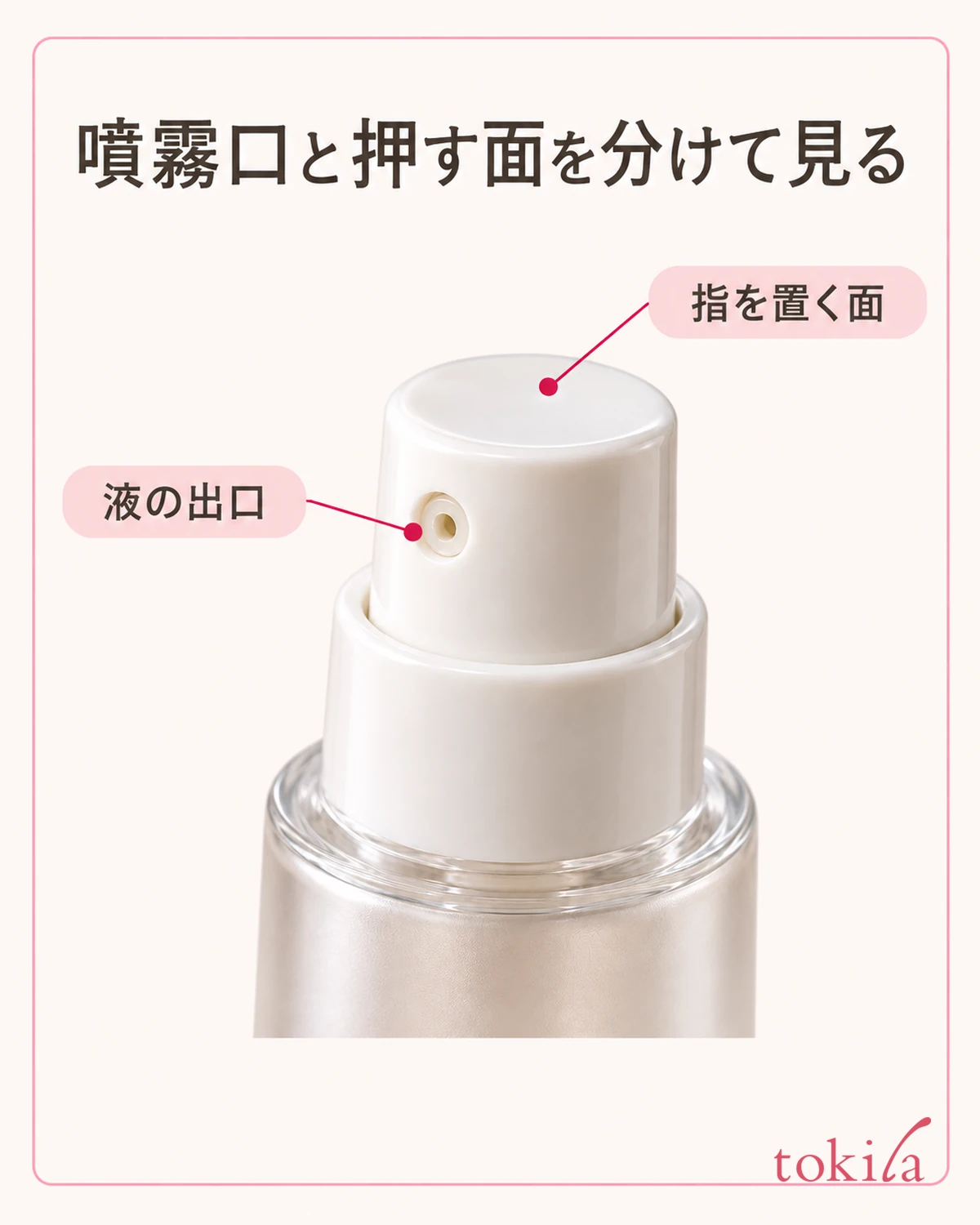
Look separately at the nozzle and the top surface you press with your finger. The small hole is where the liquid comes out, and the wide surface is where you place your finger. Do not peer in with your eyes to test-press with the outlet facing yourself. When checking the direction, take your finger off the pressing surface first.
For types with a lock, check how to release that particular container. Do not solve the difficulty of pressing with force, or try the way another container turns. Check separately that the cap comes off and that the spray is ready.
Also look at the situation of use. Read whether it can be used as a toner after washing your face, whether it is for midday touch-ups, and whether it can be used over makeup. Do not conclude that adding one mist makes your usual emulsion or cream all unnecessary.
If you transfer it into a small container whose use you cannot read, the shaking instructions, distance and storage conditions may become unclear. Treat the original container and its label as a set, and do not mix in water or another toner on your own judgment.
Read the label in two stages, before use and after spraying. For example, if you remember only the shaking instruction but do not know whether you may touch afterward, you will hesitate partway through. Check through to the end before picking up the container, and if there are words you do not understand, check the instructions rather than filling them in while trying it.
2. Before spraying, tidy your hair and surroundings and keep the specified distance
Where you use it, choose a direction in which the mist will not reach people around you. Also move away beforehand anything you do not want to get wet, such as nearby food or paper. Avoid unstable ways of using it, such as while walking or in a vehicle where your posture sways.
Move hair that falls over your face out of the way first. If you spray while holding your bangs with your fingers, it becomes harder to pay attention to the motion of closing your eyes and the direction of the container. Use a hair clip if needed, and get ready so that you can hold the container steadily with one hand.
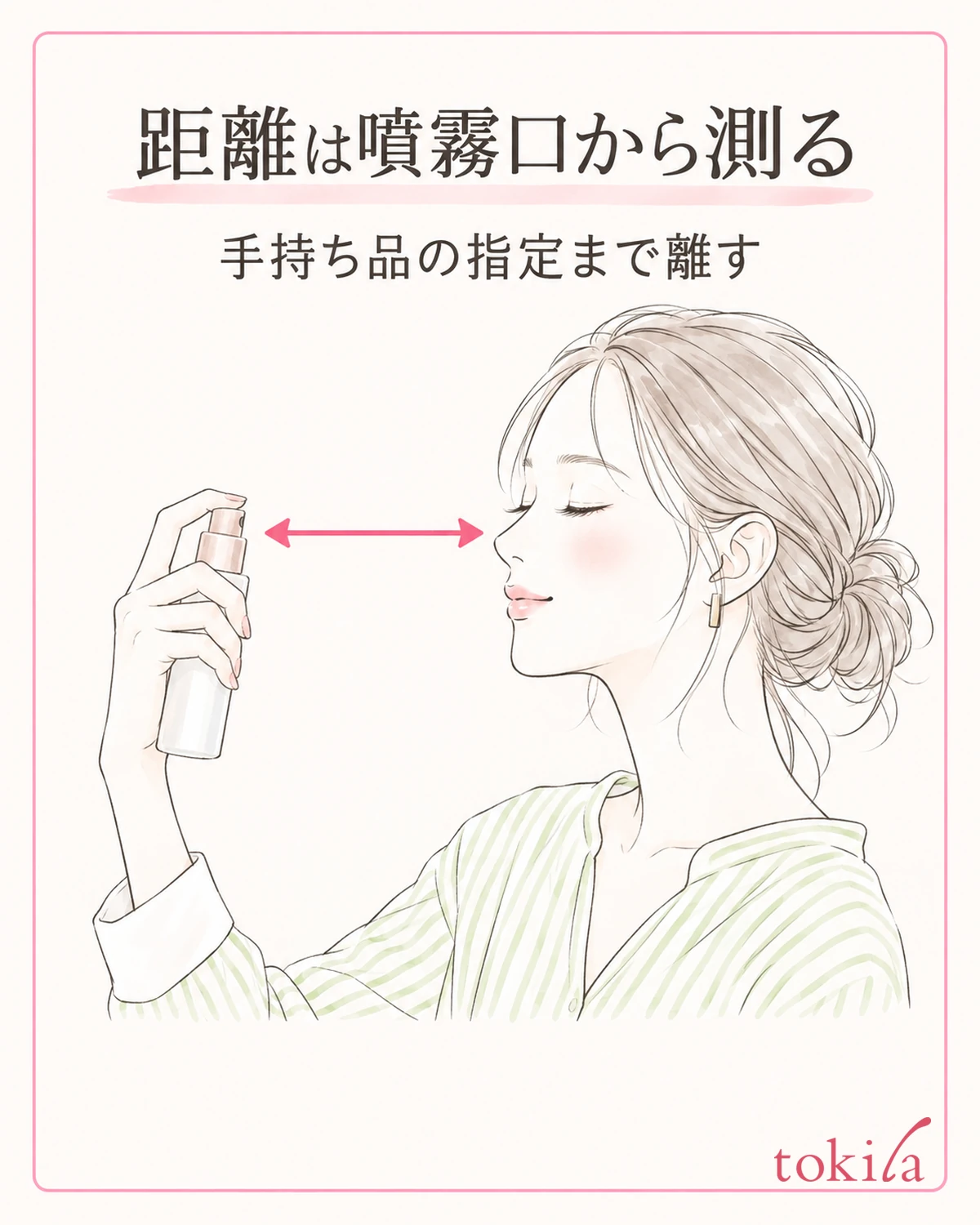
Take the distance written on the label as a guide from the nozzle to your face. It is not from the bottom of the container or from your wrist. If you check the position of the container with your eyes open, move it to the specified distance, and then close your eyes and mouth to use it, you are less likely to lose track of the position.
Follow the distance given for your product. The figure is a schematic showing where to hold it away, and does not mean every mist specifies the same distance. Do not bring it closer to your face because you can hardly feel the mist; first review how to use your product.
Check on the label whether the container can be used upright only or also tilted. Even when little is left, do not add on your own judgment a method such as turning it upside down to get it out. If there is guidance on the angle of your face, check that condition at the same time.
Before pointing the nozzle at your face, check that your finger is not covering the outlet. Do not spray directly into your eyes or mouth, and take care not to inhale the mist. If the surrounding wind is strong and you cannot use it in the intended direction, change the place and then resume.
If you wear glasses, also think about preparing so as not to spray the lenses. However, if taking them off makes your hands or the label hard to see, read how to use it first and check the direction of the container in a stable place. It is important not to turn this into a flow where you feel for fine operations after closing your eyes.
3. With your eyes and mouth closed, spray the labeled amount in the labeled way
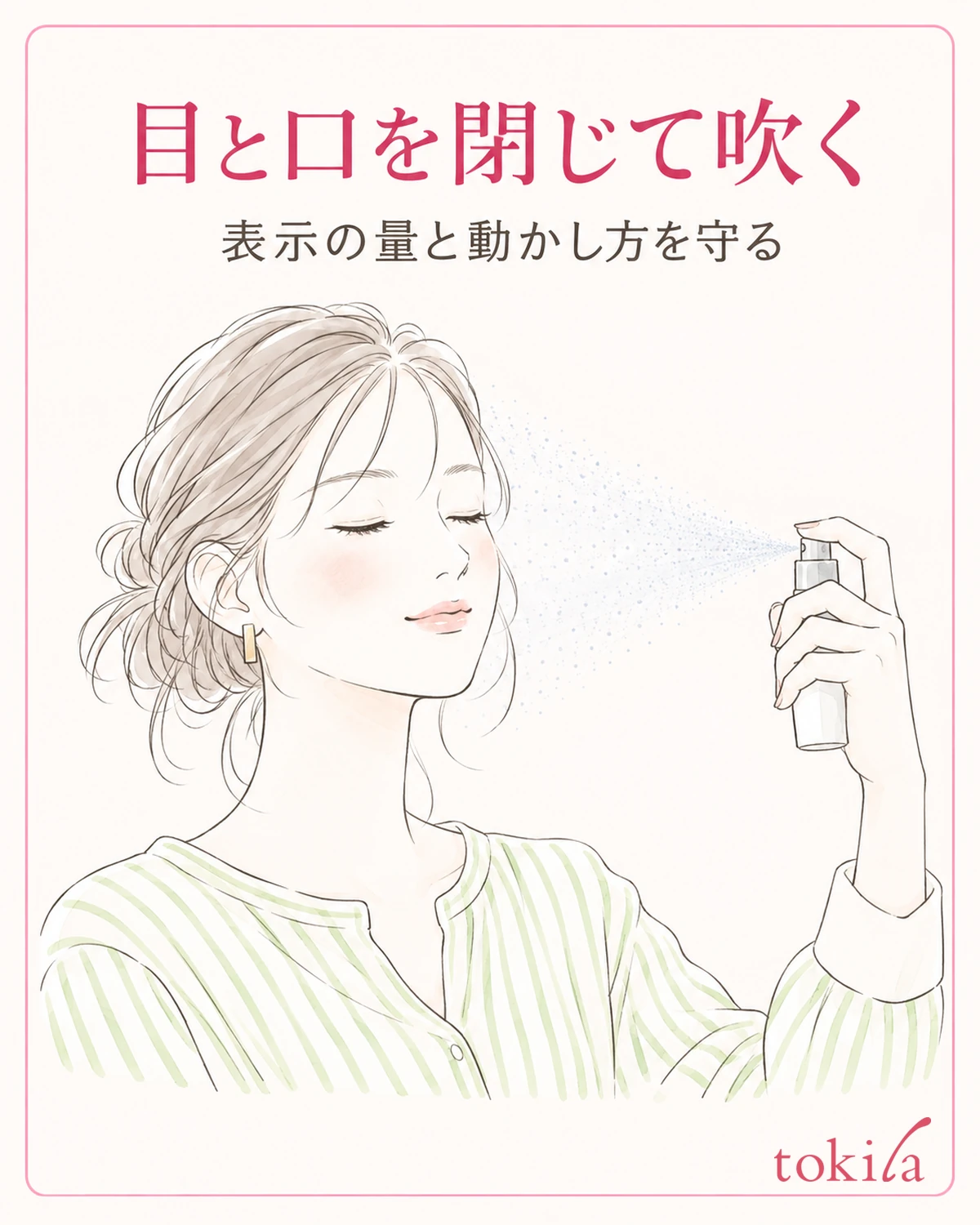
Once the position is decided, close your eyes and mouth before spraying. Do not bring it close aiming at the eye area, or point it into your nose or mouth. Also avoid using, as a facial product because it is a mist, something that says it cannot be used directly on the face.
Check the amount to use in the guidance for that container, such as how many pushes or whether to spray lightly. Types that keep spraying while you press and types that spray once per push cannot be converted to the same number of times. Do not carry over a count you learned from another product.
If a way of moving is specified, such as spraying in circles or spraying the left and right cheeks and the forehead, follow it. There is no need to treat liquid running down your face from spraying one spot for a long time as a sign of a sufficient amount.
Even with a fine mist, it can be hard to judge by feel alone whether it has reached your whole face evenly. However, do not keep spraying with your eyes open to check; stop once. Review the amount and distance on the label, and refrain from adding more continuously every time you feel it is not enough.
If water droplets are conspicuous right after spraying, do not add more as is. Look back to see whether there was any operation that differs from the label, such as bringing it too close, spraying one point, or pressing for too long. Do not conclude from the formation of large drops alone that the contents have degraded or the container is faulty.
If it gets in your eyes, do not rub them; respond by rinsing and so on according to the product's cautions. If irritation or discomfort continues, stop using it and check what to do. Do not put up with the discomfort and spray more for moisture.
4. After spraying, choose whether to blend it in or wait without touching
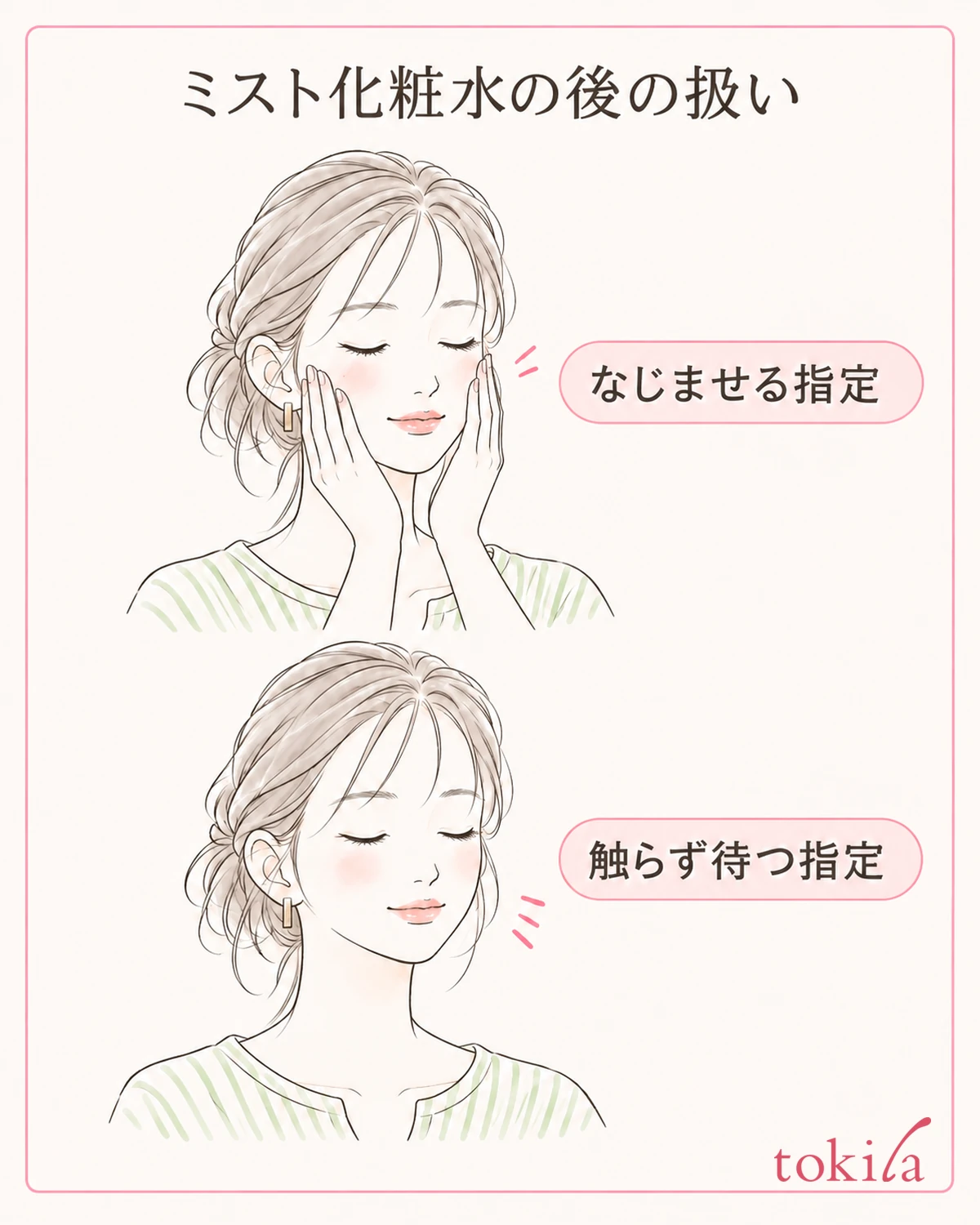
Check how to handle it after spraying before you use it. If there is an instruction to blend it in with your palm or fingers, do so with clean hands as labeled. Some products over makeup say not to touch until dry, so it is important not to lump everything into a step of pressing.
Even when you blend it in, do not rub a wet face hard. Match where you place your hands and how you move them to the guidance, and do not slide them back and forth many times to spread the mist again. There is also no need to pat vigorously just because liquid remains on the surface of your face.
If the instruction is to wait without touching, do not put your fingers or tissue on it at that stage. "Can be used over makeup" and "can be rubbed right away" do not mean the same thing. Also check your product's conditions for how to handle it before a mask or clothing touches it.
If your base makeup smudges after using it, do not spray again from above to restore it; stop first. Pressing and spreading a wide area can move even the parts that have not broken down. After checking where the droplets gathered and at what stage you touched it, switch to touching up only the parts that need it.
If you are unsure about midday touch-ups overall, see also the order of makeup touch-ups, and how to tell shine, smudging and dryness apart. Whether to use mist should be decided according to the cosmetics you have and how your makeup is breaking down now.
When you use it after washing your face, go back to the label to check the order of the skincare that follows. Do not confuse how to handle it over makeup in the daytime with the finish when used on bare skin, and keep track of which situation you used it in today.
5. Check the outlet and cap, and review one thing at a time next time
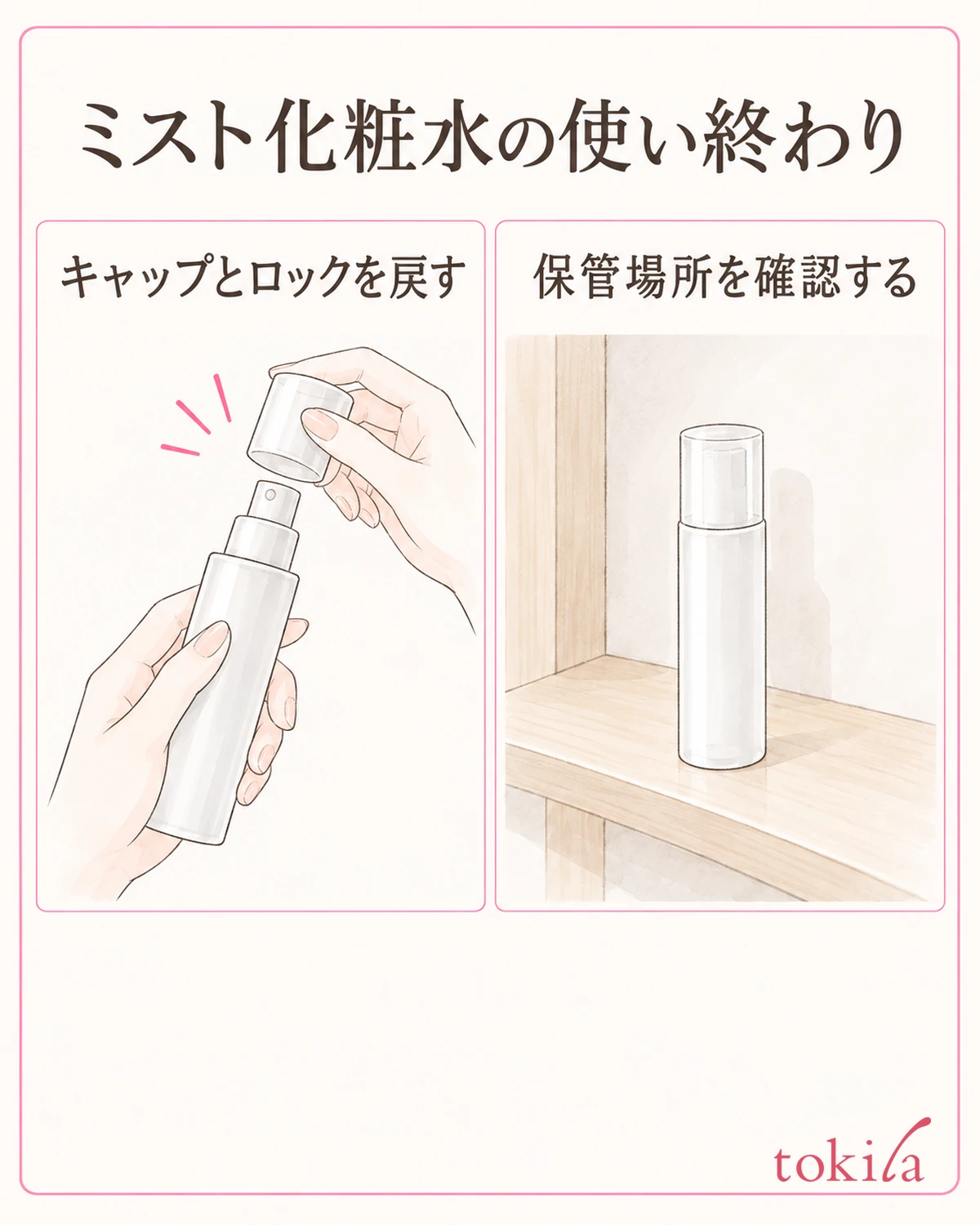
When you finish using it, return the cap and lock as labeled. Look separately at the area around the nozzle and the part where the cap fits. If there is guidance on how to wipe it when liquid gets on it, follow that method, and do not insert a needle into the hole or remove the top to wash it.
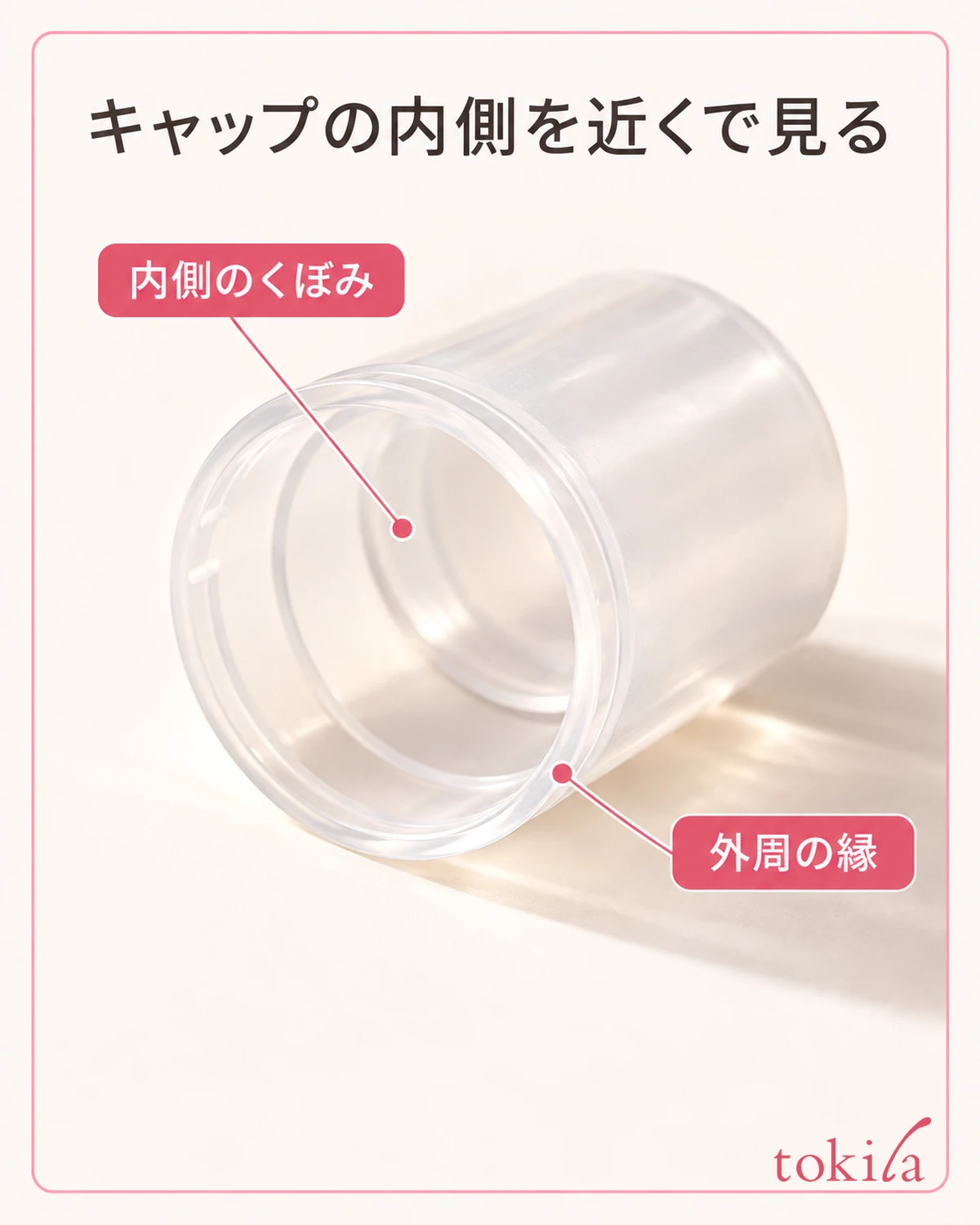
Inside the cap, tell apart the part that touches the nozzle and the outer rim. If it does not seat well, do not push it in at an angle; check the orientation of the container and the cap. If you are carrying it, check that the original cap is firmly back on and the lock is in the specified state.
Follow the instructions on the container for where and in what orientation to store it. Check cautions such as avoiding high heat and direct sunlight, and do not leave it in a car or near a heat source. For an aerosol can, also read separately that container's cautions about fire and temperature.
What to leave for next time is not how many times you tried but the conditions that differed from the label. Writing down one specific operation, such as "check from the outlet to the face," "instruction to wait without touching after makeup," or "it was a type that keeps spraying while pressed," makes it easier to review.
If you change the distance, amount, shaking and how you touch after spraying all at once, you will not know where you were unsure. First go back on the one thing that deviated from the instructions, and if it is still hard to use, make a note of that state and check with the manufacturer how they handle it.
Do not decide how to use a mist toner by the fineness of the mist alone; look at whether it can be used on the face, the shaking instruction, the distance and amount, and the handling after spraying as one set. Once you know your product's conditions, you can proceed calmly through to after use without spraying more or touching more than necessary.
If the floor or the sink gets wet from spraying, wipe it up rather than leaving it. Adjusting the amount you use on your face is separate from cleaning up liquid that has landed around you. Next time, also check the direction you spray and where you put it, so that you do not leave a slippery spot.