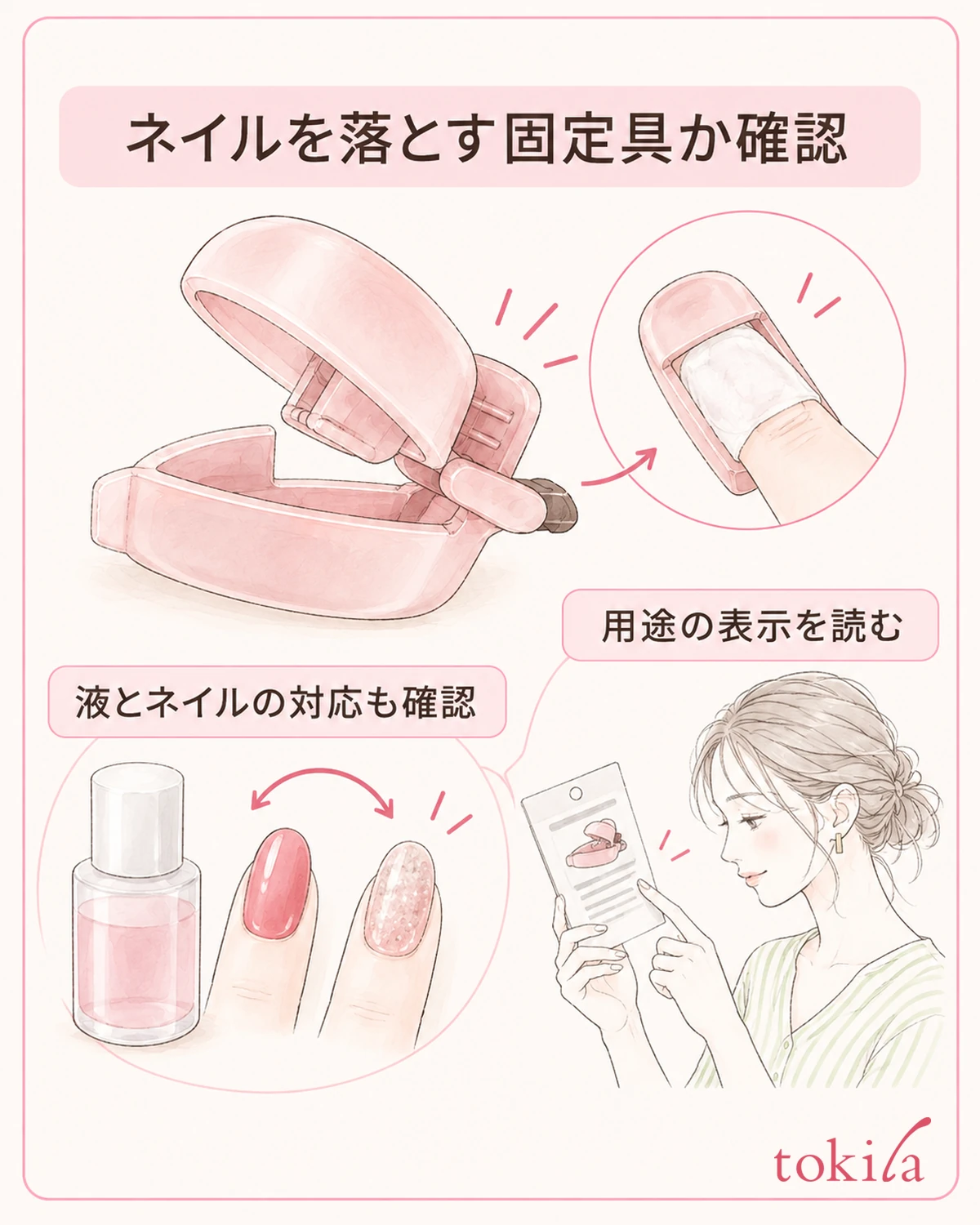
You took some gel face wash in your hand, but no matter how much you work it, no foam forms. You wonder whether to add water before spreading it on your face, or whether to use a foaming net. First, check whether your product is a face wash meant to be used without lathering. If it is designed not to foam, do not aim to build a mound of foam; wash according to the amount and directions on the label.
Here I cover gel face washes that need no lathering and are rinsed off with water or lukewarm water after being worked into the face. Treat them separately from makeup removers only, wipe-off only products, and leave-on moisturizing gels. This is a procedure for taking the label on the container you are using now as your starting point, without fixing a uniform rule for how to wet, how much to use, or how long and how often to use it.
1. Check for "no lathering needed" and for rinse-off directions
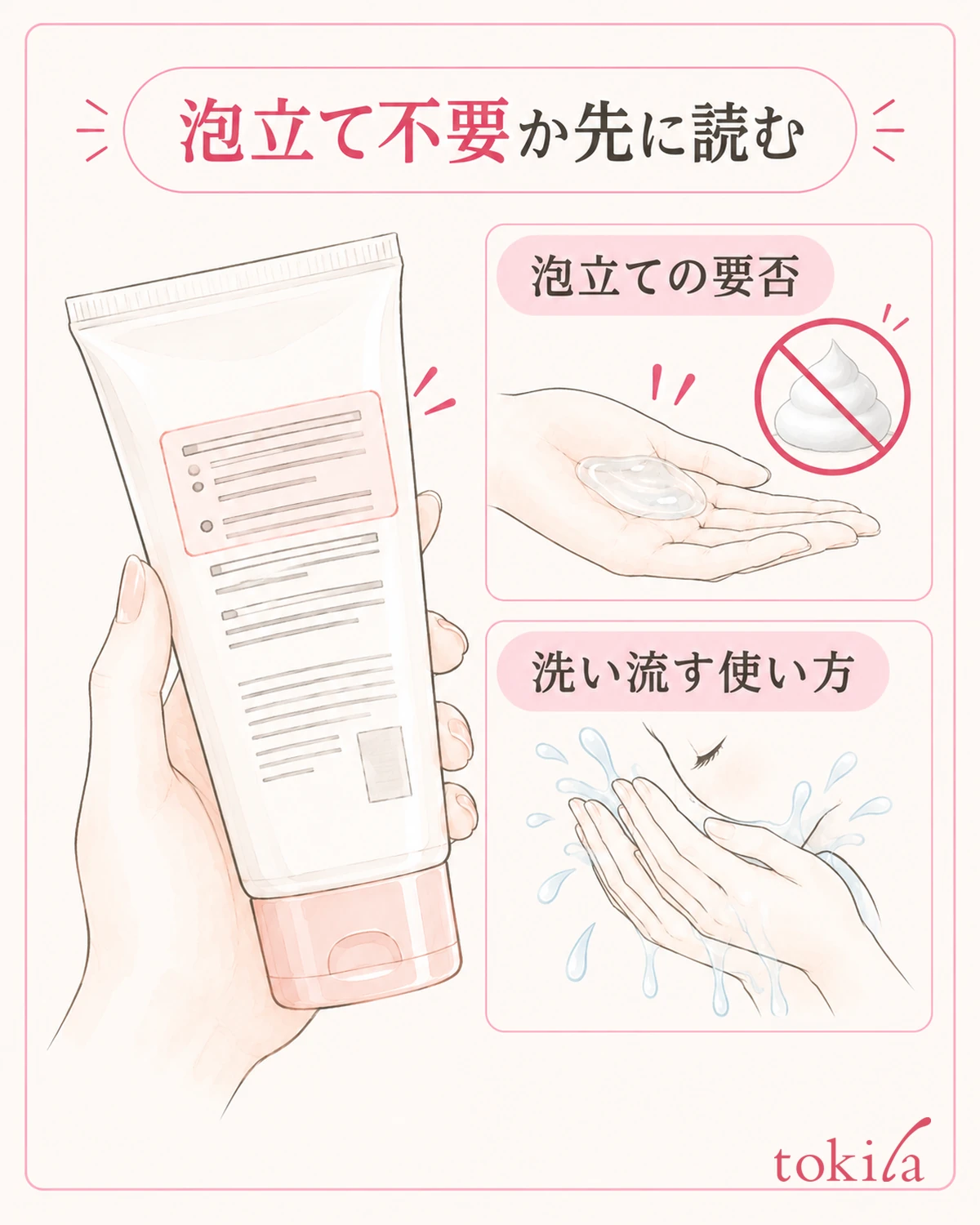
First read the directions on the container or outer box. Look for statements such as "use without lathering" or "rinse off after working in," and see whether there is a step to build foam. A look such as being in a tube, or being clear and thick, does not decide the type of face wash or how to use it.
Gels include products with different purposes, such as face washing, makeup removing, masks, and moisturizing. Even if it says face wash, it does not necessarily remove makeup too. On days when you wear makeup or hard-to-remove sunscreen, compare each removal method with the product's description, and sort out the necessary steps first.
If the face wash you have is a type that you lather, do not switch to the method in this article; see how to review your hands, water, and amount when the foam disappears quickly. It is important not to reinterpret a product that tells you to lather as something to apply directly to the skin. Conversely, if lathering is not needed, do not mix in another face wash to make more foam.
Before you start, read whether to wet your face and hands, how much to take, and even how to handle the area around the eyes and mouth. If a time is given, remember it as that product's condition, and do not carry over a number of seconds you saw for another product. If no waiting time is specified, do not turn it into a DIY pack by leaving it on for long.
Even for a refill of the same series, the directions may change with an update to the container or formula. Do not start with only the amount you remembered earlier; check the label on the container you have now. If the directions have worn off and cannot be read, or you only have a decanted container whose purpose is unclear, do not guess from its looks and use it on your face; check the original directions first.
2. Prepare your hands and where things go, and follow the wetting directions
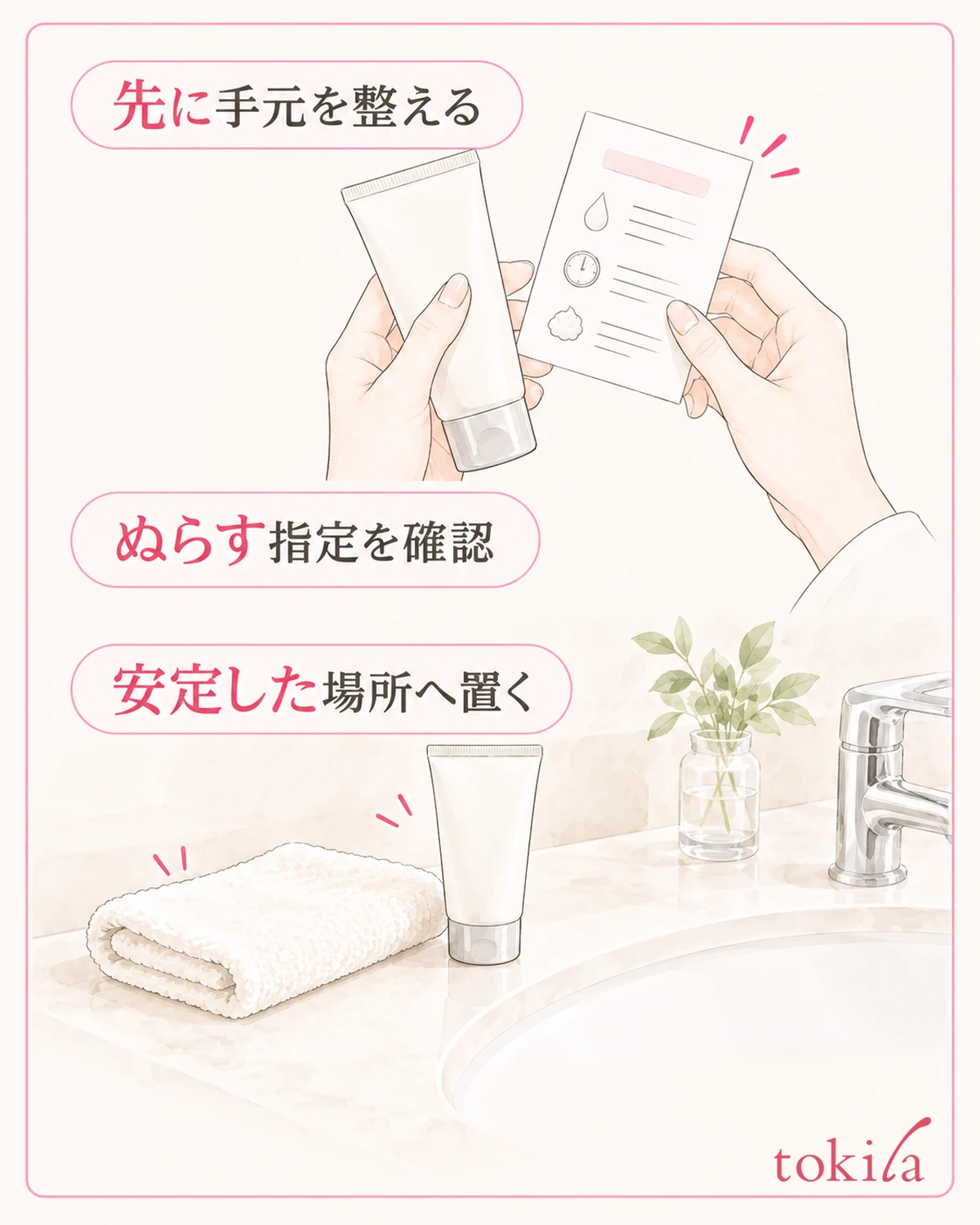
Once you know how to use it, wash your hands and rinse off the cleanser and dirt used for hand washing. How you wet your hands and face after that should follow your product's instructions. It does not set a shared condition such as always using it on a dry face because it does not foam, or that any wetness will do.
If you use it on a wet face, move your hair out of the way, get water or lukewarm water on your face, and then take out the product. This is separate from mixing a large amount of water into the gel in your hand first. Before leaning over the sink, also sort out your sleeves, so you do not have to keep touching your clothes and hair with wet hands while washing.
Place the container where it will not tip over easily and where water does not collect. If it has a cap you need to set down, make room for it before opening. Gather what you need within reach in advance, so you do not have to reread the directions or look for a towel after the product is already spread on your face.
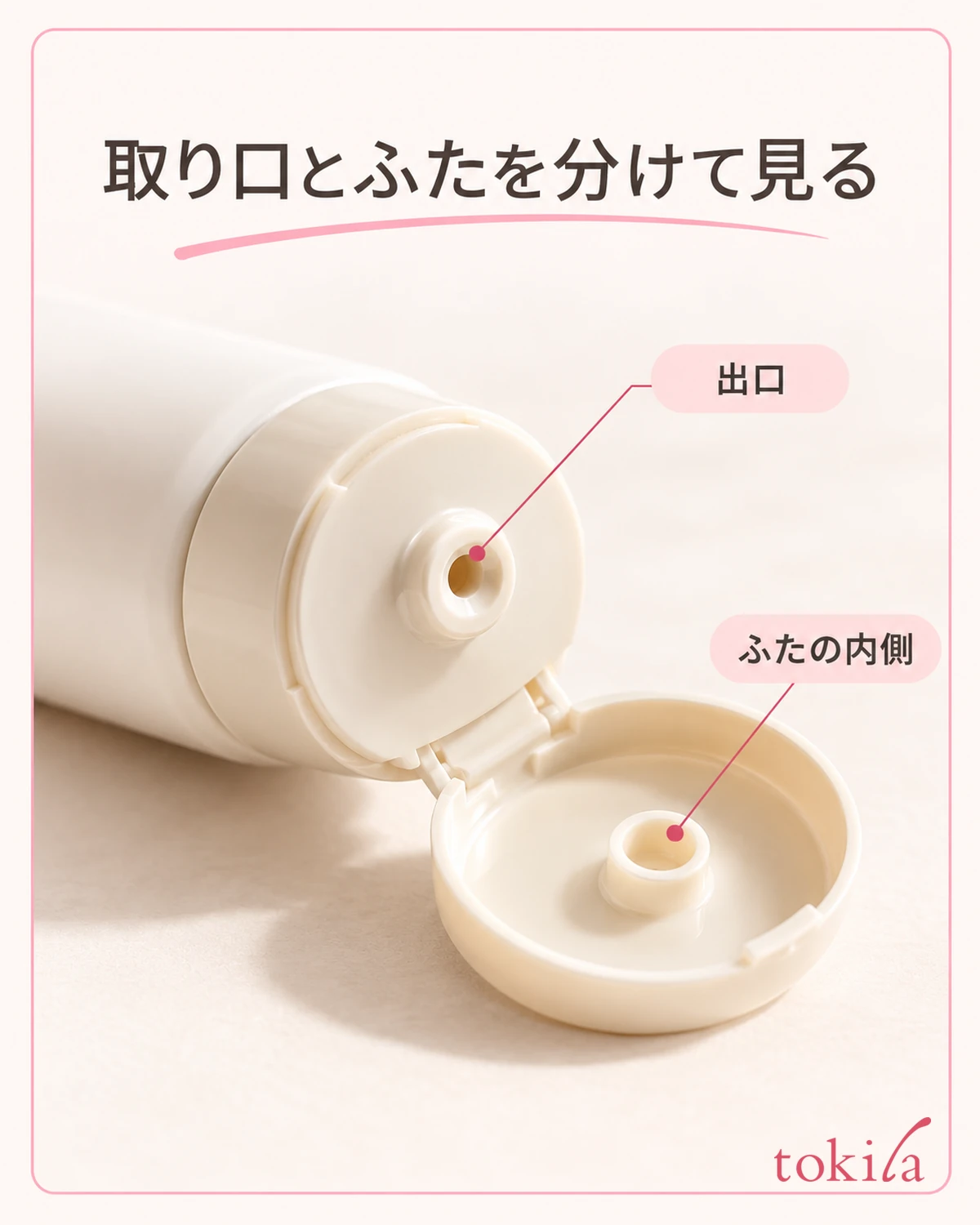
Look at the area around the opening too. For a tube, tell the outlet apart from the inside of the cap; for a pump, the nozzle apart from the pressing part. Neither is the same as letting water into the container to dilute it. If it is dirty, tidy it according to the care the product allows, and do not use the outlet as a tool pressed against the skin to apply the product directly.
Even when little is left, do not add water to increase the amount. Whether you can take the container apart to use it to the end, or refill it, depends on that product's specifications. Do not transfer it to another container or combine several face washes; keep it in a state where how to use it can be confirmed.
If your hands are slippery and unsteady, put the container down once and take a fresh grip. Skipping the lathering is not the same as rushing the preparation. Before applying it to your face, set things up so you can take the amount, and so that you can set the container down and close it when you are done, which makes it harder to have to redo a step midway.
3. Take the amount on the label and spread it without trying to make more foam
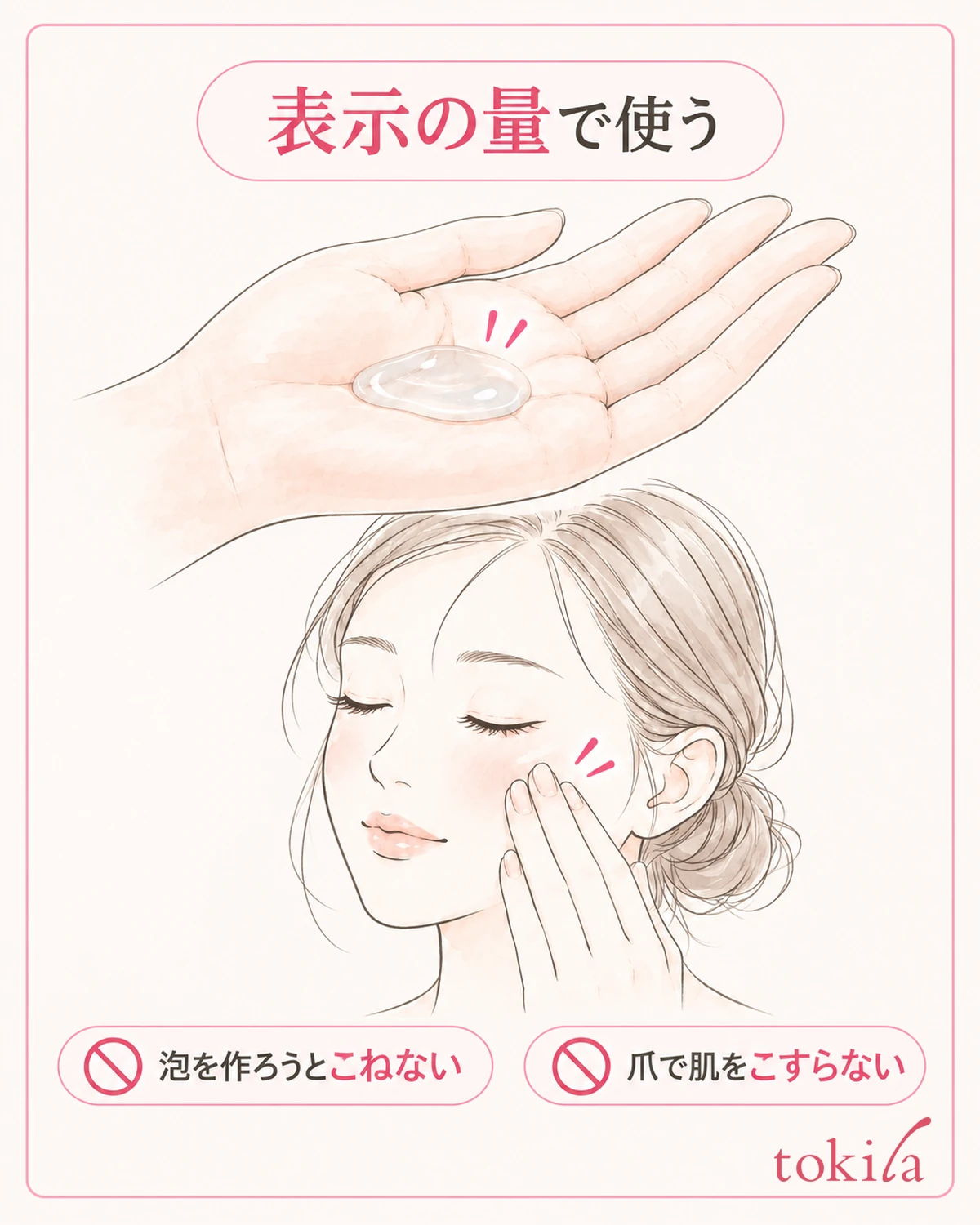
Take the guideline amount shown on the label. How the amount is shown, such as length, diameter, or number of pump presses, also differs by product. Do not decide that less is gentler on the skin or more cleans better; at first, match the amount and conditions that your product indicates.
With a tube, bring the outlet close to a clean hand, squeeze out the needed amount, and set the container down when done. Do not rub the outlet against your palm, or return squeezed-out contents that came out from pressing too hard back into the container. For a pump, check the instructions for priming on first use and for pressing it all the way down, and do not count a partial press as one full use.
If you have confirmed that no lathering is needed, you do not have to knead it for a long time in your palm or move it into a net to make foam. Follow the product's directions for the order of spreading it on your face and the motion for working it in, and handle it so that it does not get into your eyes or mouth. Use the pads of your fingers within a range you can move comfortably, not scratching the skin with your nails.
Even if your fingers feel hard to move, do not switch right away to rubbing harder. Check the amount, the wetting directions, and which step you are on. If adding water is not mentioned, do not keep adding it on your own. Rather than continuing without knowing how to use it, rinse once according to the label and then check.
Even if you are concerned about the area around the nose, do not add a motion of pushing out plugged pores with your fingertips, or rub the same spot for a long time. If there are instructions for spot use or time, handle it within that range. Do not apply the same number of seconds and the same pressure to the entire face as if obligatory; move on to the finishing steps shown on the label.
Some products change in appearance partway through, but not all change to the same color. Do not make up a shared signal, such as that not turning white means failure, or that clear means it has not washed. Do not treat the amount of foam or a color change as evidence of cleansing result, separate from that product's directions.
4. Even if no foam is visible, check the places to rinse in order
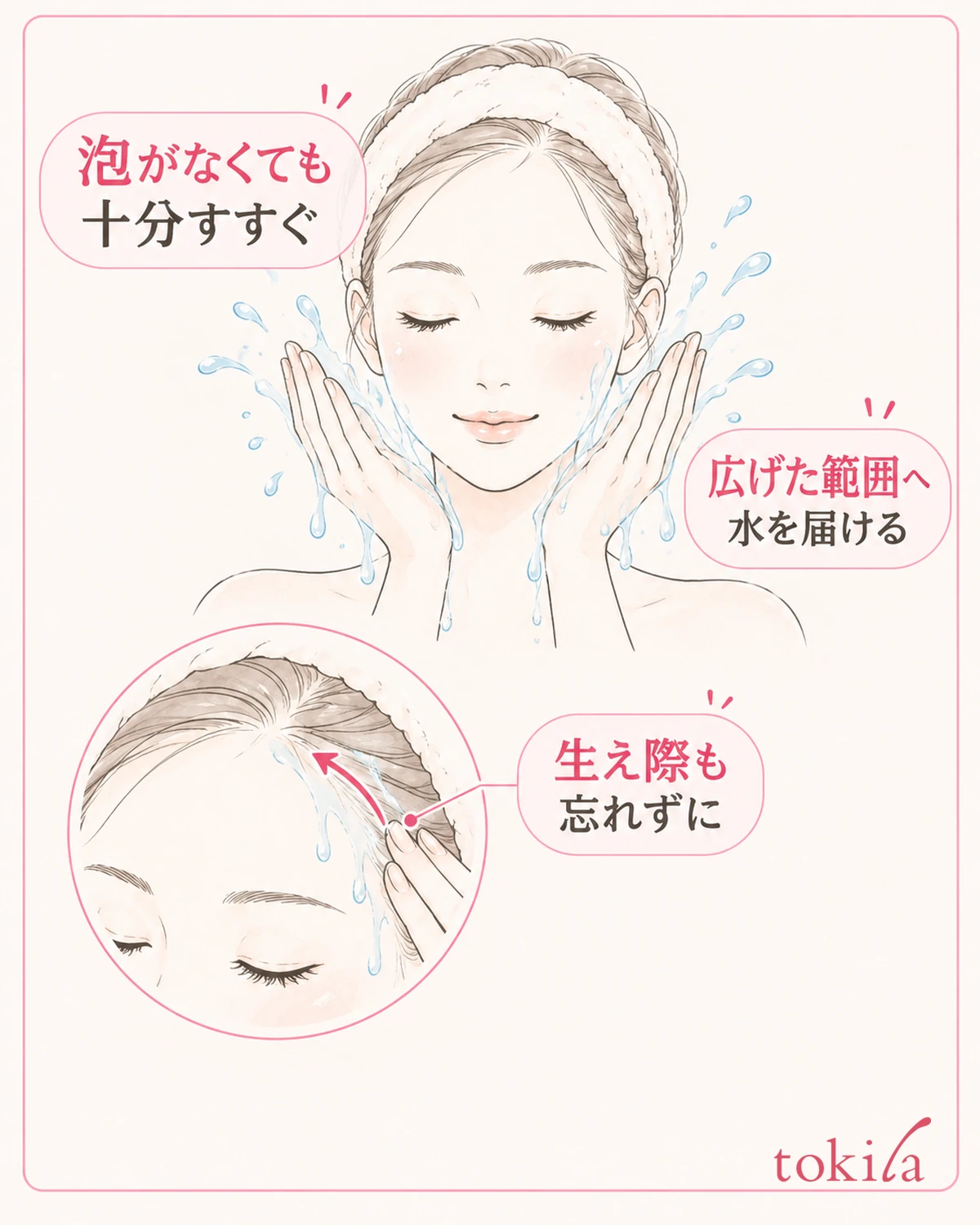
When the working-in step is done, rinse thoroughly with water or lukewarm water following the label. Because there is little foam, do not treat the point when visible foam is gone as the only sign that you are finished. Catch water in your hands and bring it in turn to the places where you spread the face wash to rinse.
First rinse the broad areas such as the cheeks and forehead, and then turn your attention to the borders, such as beside the nose, the chin, and the hairline. Check, using a mirror too, whether there are places that are hard to reach by just splashing water over your face. You do not need to get water or face wash into your eyes to check.
If your bangs or the edge of a headband cover the hairline, make sure water reaches the hidden area. Do not rinse while pressing the fabric against your face; move your hair aside with clean hands before handling it. For the detailed range, please also refer to how to move your hair and get water to rinse the hairline.
Do not make the number of rinses a figure that applies to everyone. Follow the directions for your product, and rinse so that no face wash is left behind. On the other hand, do not make rubbing many times until the skin feels squeaky your finishing condition. Also avoid motions such as tracing the skin with your nails to scrape off what remains.
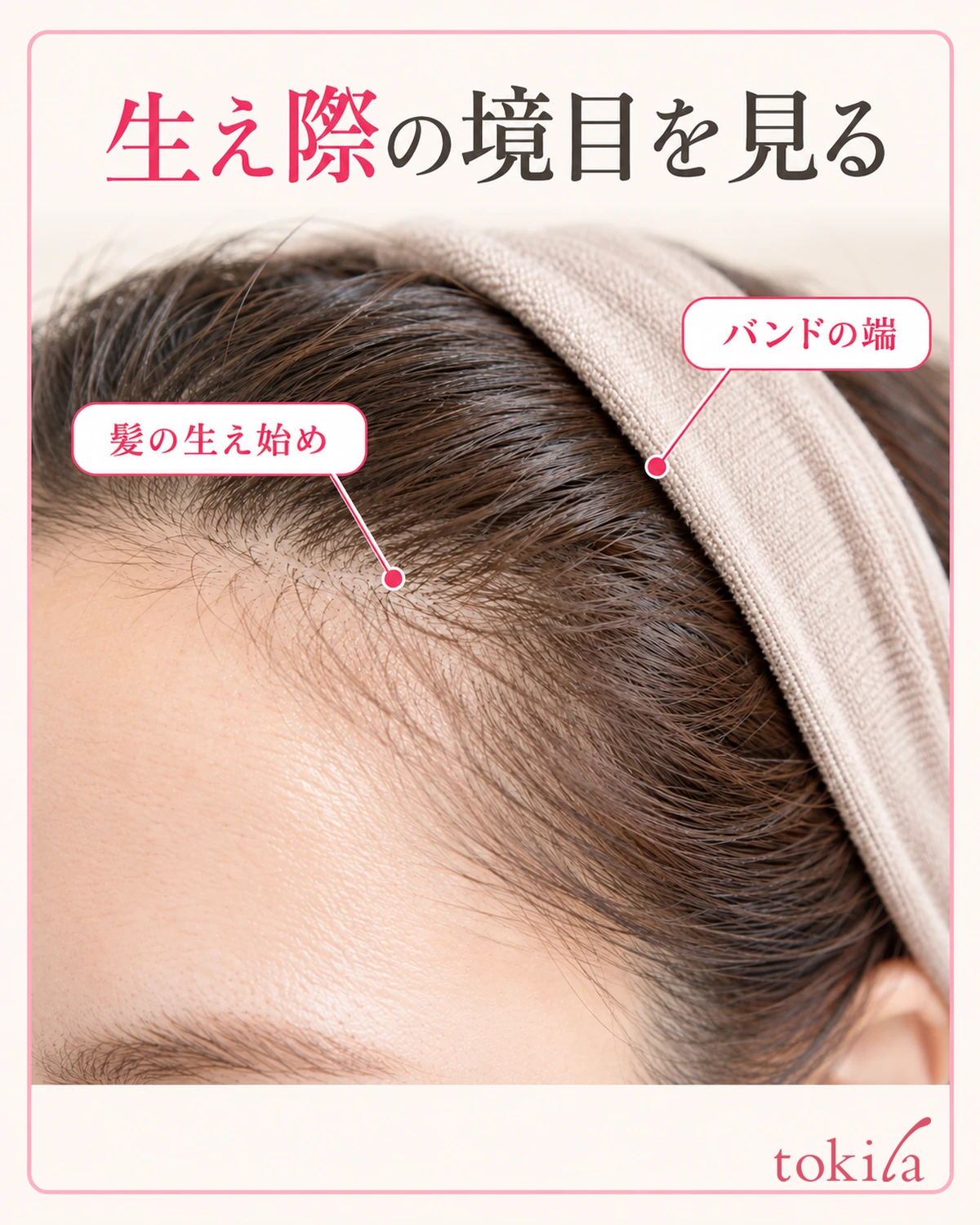
Clear gel can make it hard to find its outline on the skin. Checking for leftover residue is done to look back over the range where you spread the face wash and the range where you brought water. Do not conclude that something must remain just because a spot shines in the mirror; go back to rinsing as the label directs.
If it gets into your eyes, or you feel something is wrong during use, do not put practicing your face washing first; take action such as rinsing it off, following that product's precautions. Do not work it in longer than usual to check, and do not layer another face wash on top.
5. Remove the moisture, and choose one condition to review next time
Once rinsing is done, gently press a clean, soft towel against your face to remove the moisture. Do not rub sideways hard; press and lift, moving to a new place each time. It is important not to try to wipe off dirt with the towel on the grounds that the gel did not foam.
Whether to wash again after cleansing follows the explanation for the product you used. Do not automatically add a step of washing again with an ordinary face wash because there was no foam. Including combinations with a makeup remover, finish the usage you first confirmed as one continuous procedure.
When you close the container, check how to handle product stuck on the cap or nozzle against the label. Do not push water inside with a wet towel; do the specified care before storing it. Also check the conditions for where to keep it, such as whether it can be kept in the bathroom, and whether to avoid direct sunlight and high temperatures.
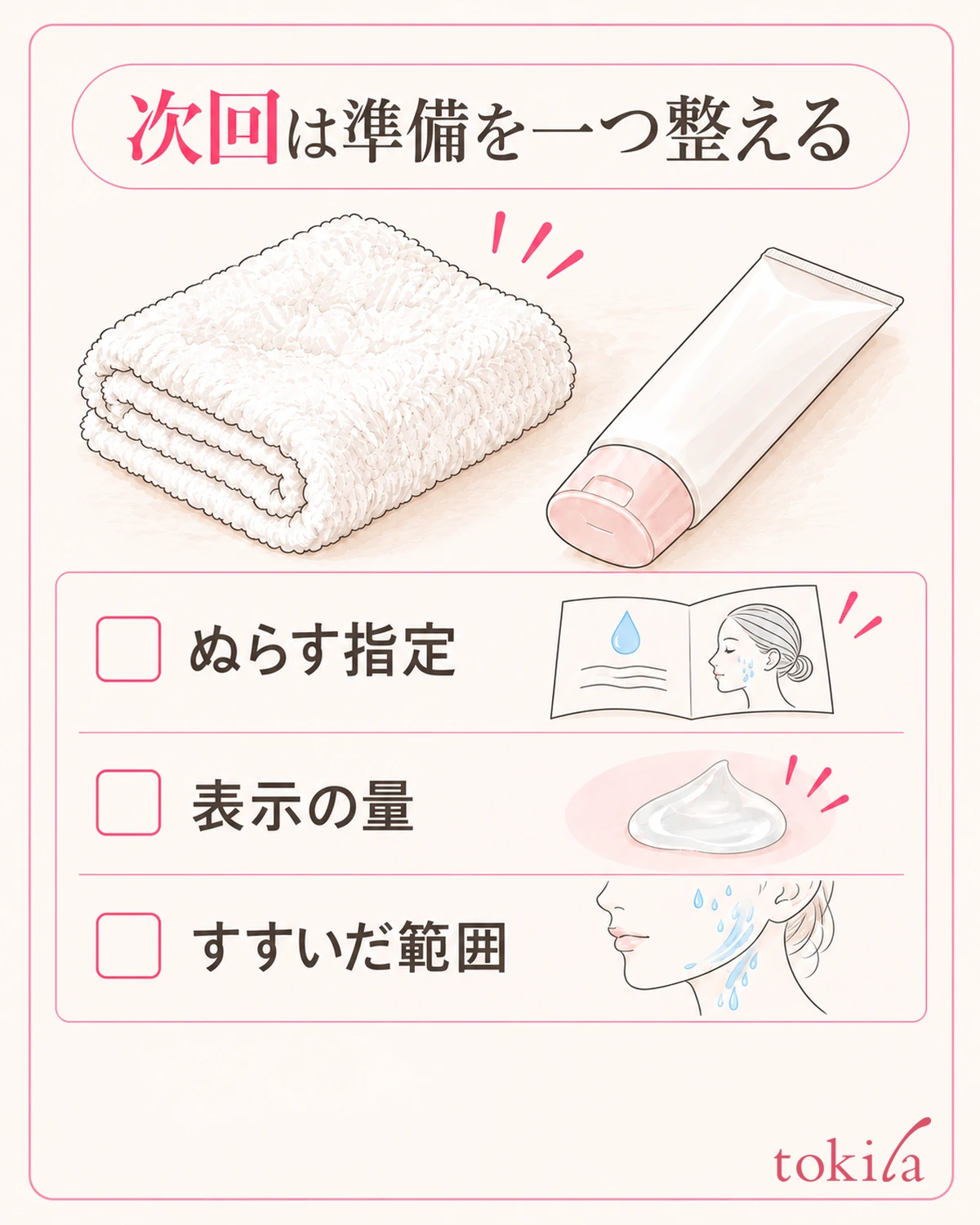
For next time, jot down just one point where you hesitated, such as "I started without reading the wetting directions," "I added water before taking the amount," or "I rinsed with my hair still covering the hairline." This is a memo to check how you used it, and not a substitute for verifying whether it worked or not.
If you change the amount, the time, and the frequency all at once, it becomes hard to tell at which step you hesitated. First look back on whether you handled it as the label on your product says, and next time get one part of the preparation in order. If you are concerned about your skin condition or how it feels to use, judge according to the precautions for use rather than increasing how many times you try.
Non-foaming face wash is not a procedure for applying it without thinking. Separate the purposes, get your hands and moisture in order, work in the amount on the label, and rinse the washed area thoroughly. Checking this order, without going back to making more foam, is the starting point for using the gel you have without hesitation.