Are you unsure whether to choose a facial cleanser that comes out as foam, one squeezed from a tube, a powder, or a bar when replacing your current product? Start by separating how much preparation fits your daily routine from how it works with your current makeup remover. The starting point is to avoid judging cleansing strength or suitability for you solely by the container shape or foam size.
This article outlines what to look for before buying a cleanser for washing your face. It does not compare the cleansing power of particular products or test changes in skin. Rather than addressing tightness during use or disappearing foam, it organizes the information in product descriptions into format, amount per use, occasions for use, and the feel after washing to help you choose.
First, choose a format and whether to lather it
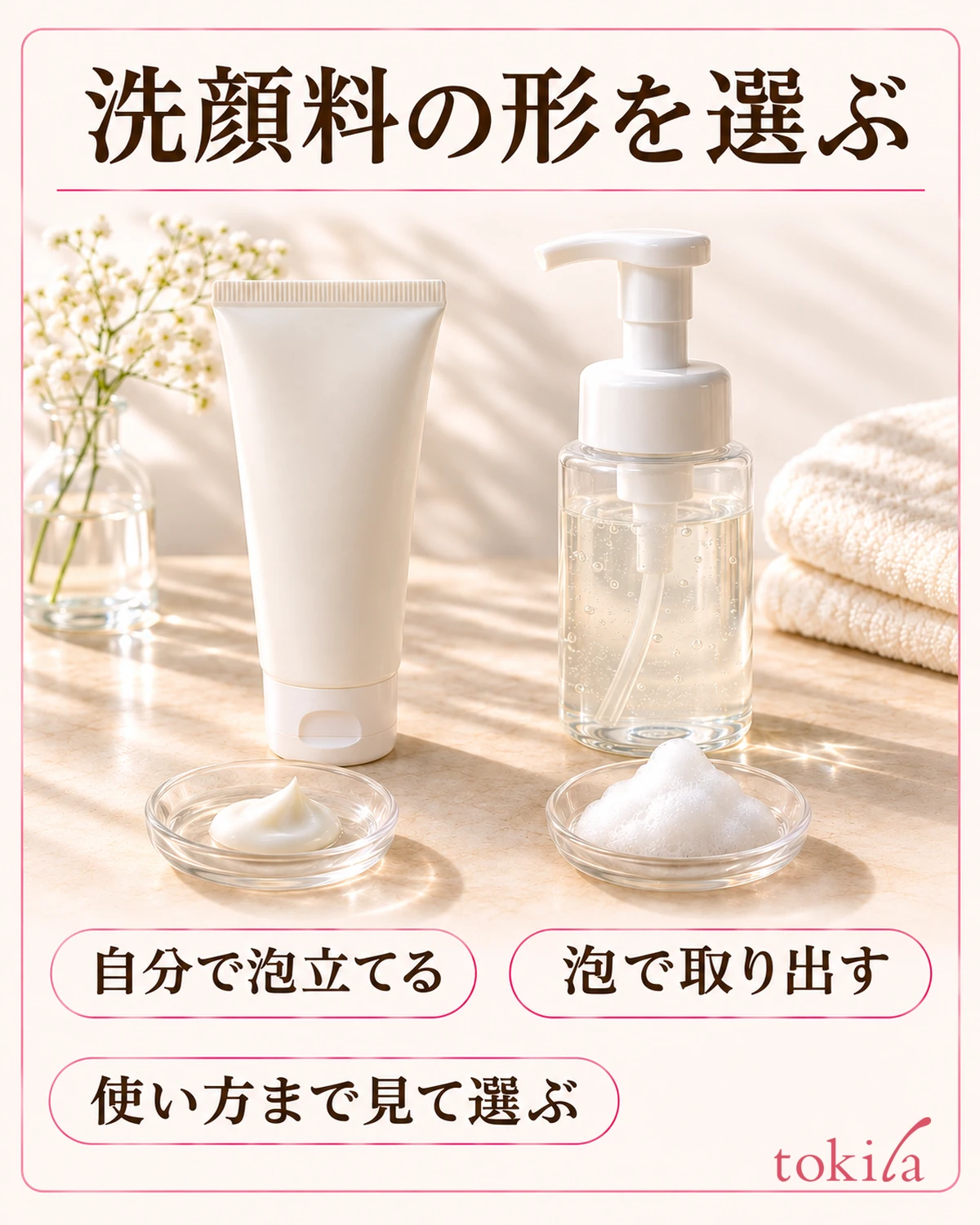
If you want to spend less time lathering on busy mornings, a cleanser dispensed as foam is an option. Pump foam and foam dispensed by pressing a can require different handling. Consider whether the format is easy for you to handle every day, including instructions such as whether to shake it or keep it upright.
If you want to make the foam yourself, look at paste or cream cleansers that instruct you to lather them. However, being in a tube does not necessarily mean a cleanser needs lathering. Some gels are spread directly on skin, and some products offer several ways to use them. Before considering the container shape, read whether the directions say to lather or spread directly.
Powders and bars are also options, but consider opening and storage as well. Individually wrapped powders, powders dispensed from a bottle, and bars stored where water can drain require different actions at the sink. Your priorities may also differ depending on whether you often travel with the product or keep it at home.
Do not rank products as stronger cleansers or more suitable for your skin solely from pictures of large foam or descriptions such as rich and springy. Narrowing the options to about two based on your routine—whether you enjoy lathering or a foam dispenser seems manageable on busy days—makes it clearer what to read next.
If you intend to use a lathering tool, also check whether the candidate product supports that method. Do not assume it cannot be used without tools; read any hand-lathering instructions too. Keeping your current tool is one consideration, but there is no need to choose a method that conflicts with the cleanser's directions just to suit the tool.
Read the amount per use and wetting instructions
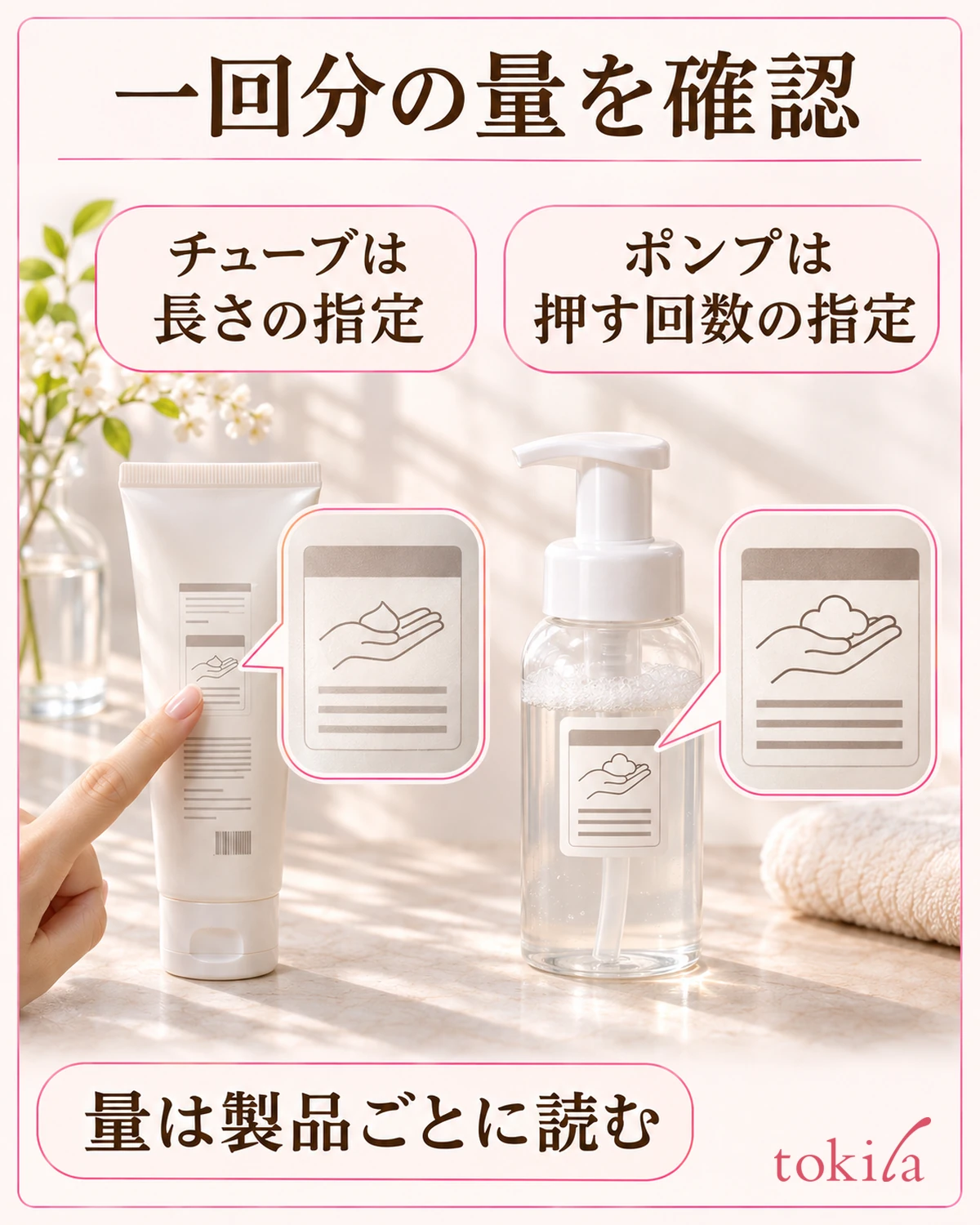
Once you find an option, check what to take and how much to use each time. Instructions differ by product: a length squeezed from a tube, a number of pump presses, or one individual packet. Even when switching to a cleanser in a similar container, reread its label instead of carrying over the previous product's amount.
A half press of a pump or a tube with a different opening may not dispense a visually consistent amount. Rather than assuming less is always gentler or more cleans more thoroughly, consider whether you can use the recommended amount in your daily routine. Do not use a mound of foam in a photograph as a model for the amount to take.
Check the candidate's instructions to see whether to wet your face and hands or use them dry. Some foam dispensers call for wetting the face, and some nonfoaming products are used on wet skin. Avoid creating a universal routine based solely on format, such as assuming dispensed foam needs no preparation or gel goes on a dry face.
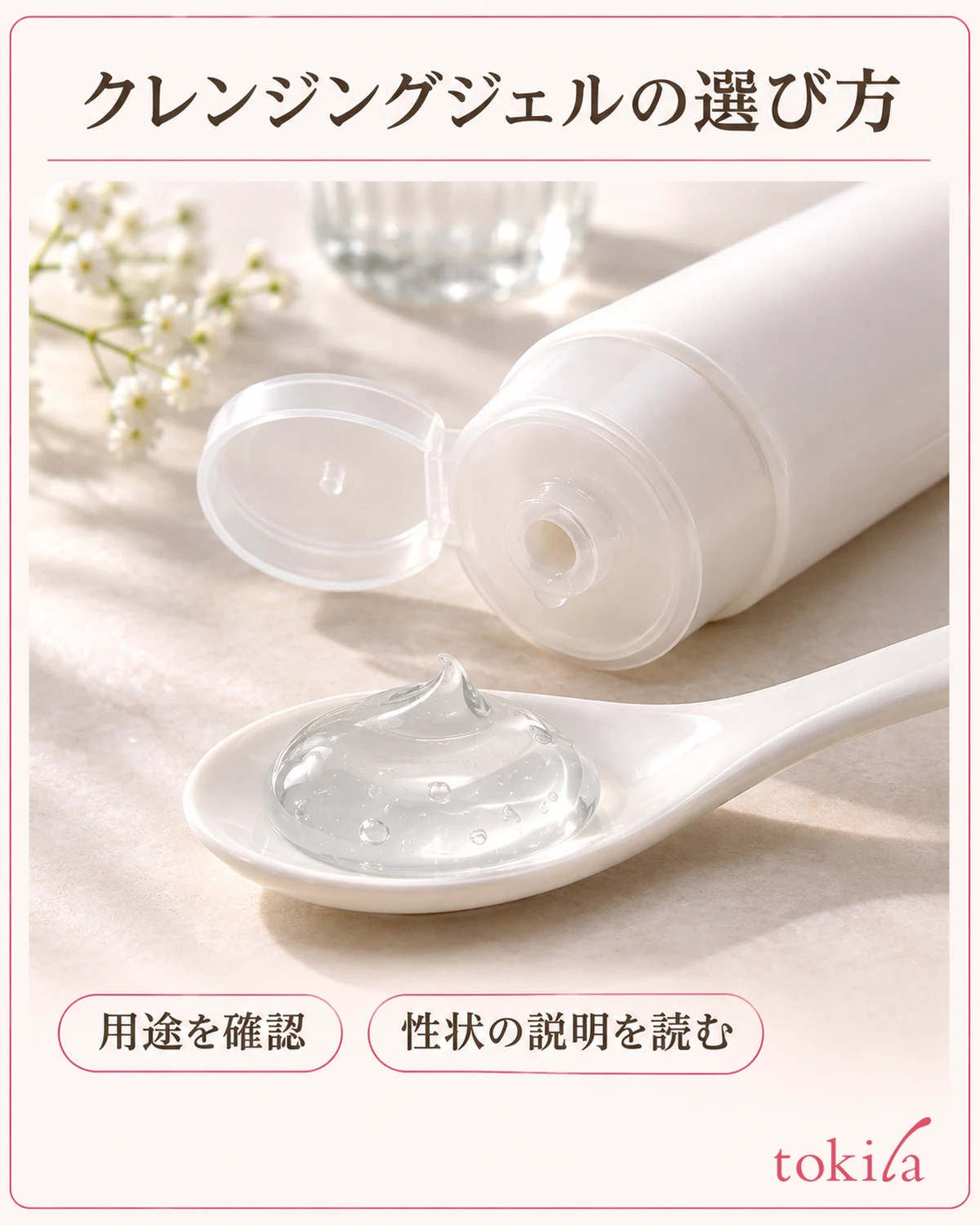
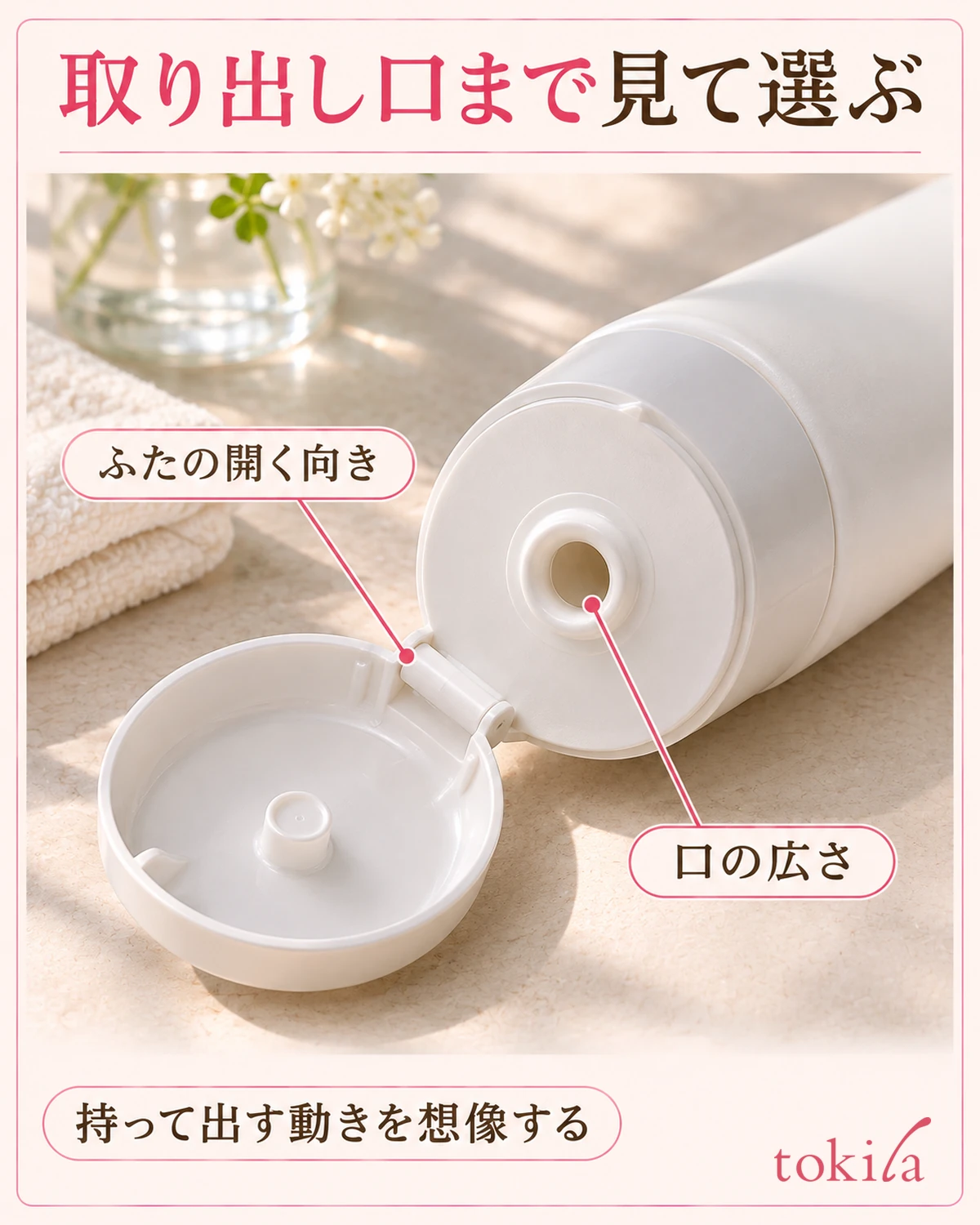
The supplementary photo shows a tube opening and the inside of its cap up close. The opening width, the direction the cap opens, and the grip area help you picture the actions at your morning sink. Opening size does not indicate cleansing strength. Consider both the instructions for dispensing one use and the movements needed to handle the container.
If directions are hard to read online, find and compare the instructions for the current product being sold. Even within the same series, reformulations or different formats may use different amounts. Instead of guessing unclear conditions, wait until you can read the candidate's instructions to reduce confusion after purchase.
Separate the roles of cleanser and makeup remover
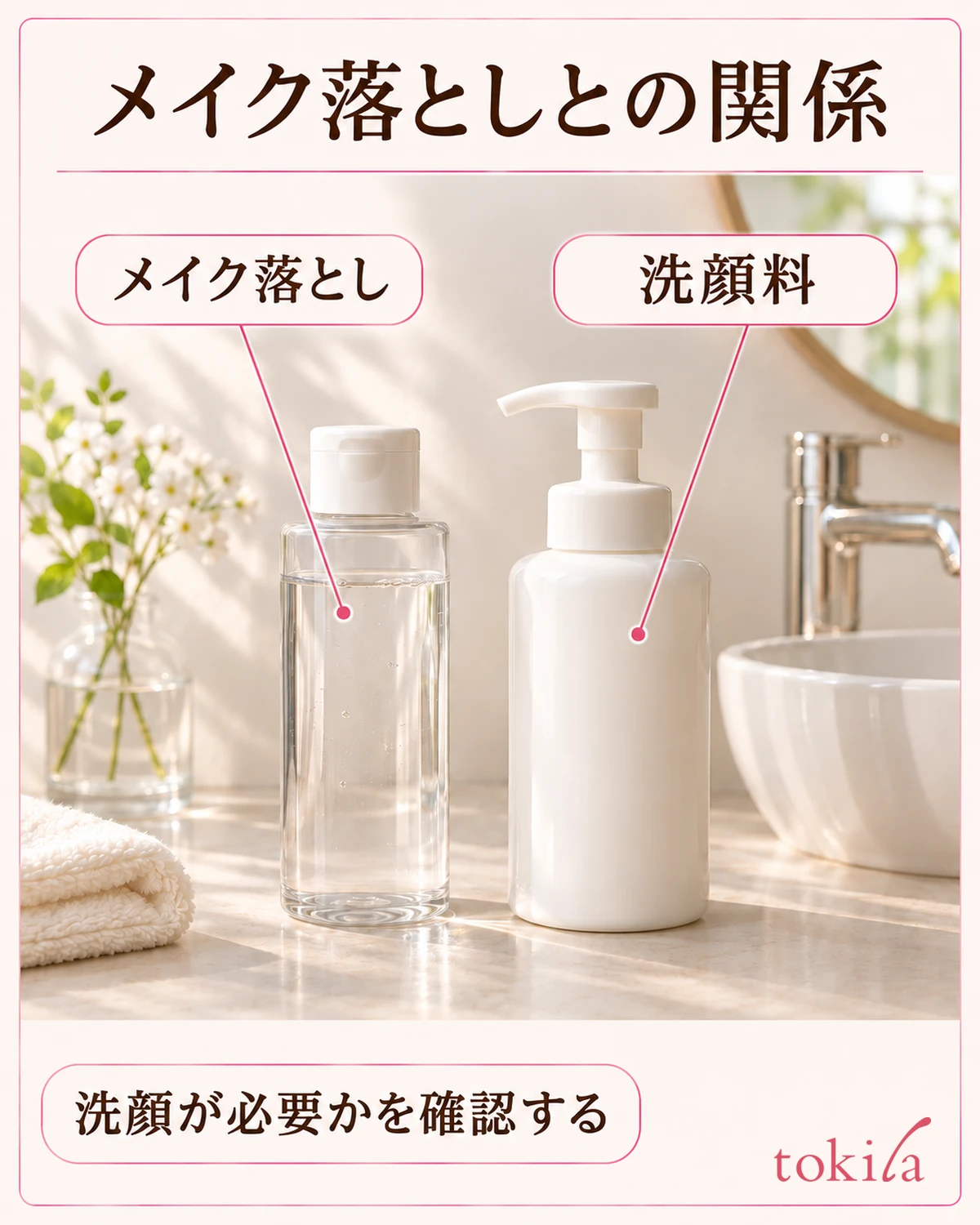
For an evening facial cleanser, consider how it will work with your current makeup remover. First check whether the makeup remover calls for washing afterward or says no additional facial cleansing is needed. Buying a new facial cleanser does not automatically mean washing twice every evening.
Even if a facial cleanser says it removes makeup, read which makeup it can remove and how to use it. Do not assume a product meant to wash away oil and dirt can also remove stubborn eye makeup. For sunscreen too, the product you use determines whether facial cleanser is enough or makeup remover is needed.
You do not necessarily need different facial cleansers morning and night. Separate using one for your morning wash from using it after evening makeup removal, and assess whether the candidate fits each occasion. Even if a name says it is for mornings, read the frequency and steps to picture how it fits into your routine.
For example, if your evening makeup remover says no further facial washing is needed, you might be buying a cleanser for mornings. If it calls for washing afterward, you can consider rinsing and subsequent moisturizing as part of your choice. Also see How to Choose Cleansing Oil to organize each product's role.
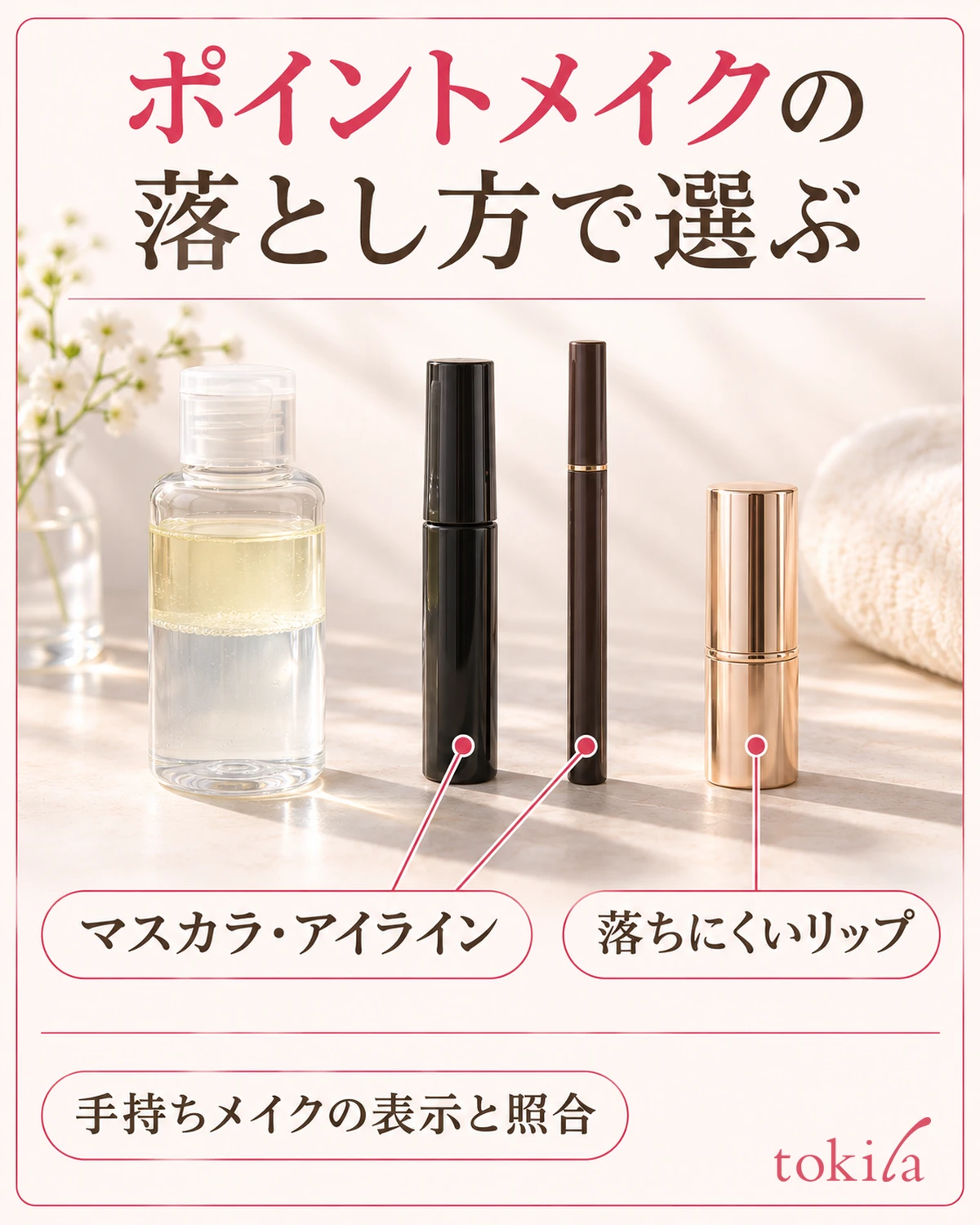
If you use a targeted makeup remover, keep its instructions in mind when planning full-face care. Changing facial cleanser is not a reason to assume you should scrub your eyes harder. When removal for a combination is unclear, check the instructions for both your current product and the candidate instead of judging by makeup that looks similar.
Compare your preferred finish with the labeling
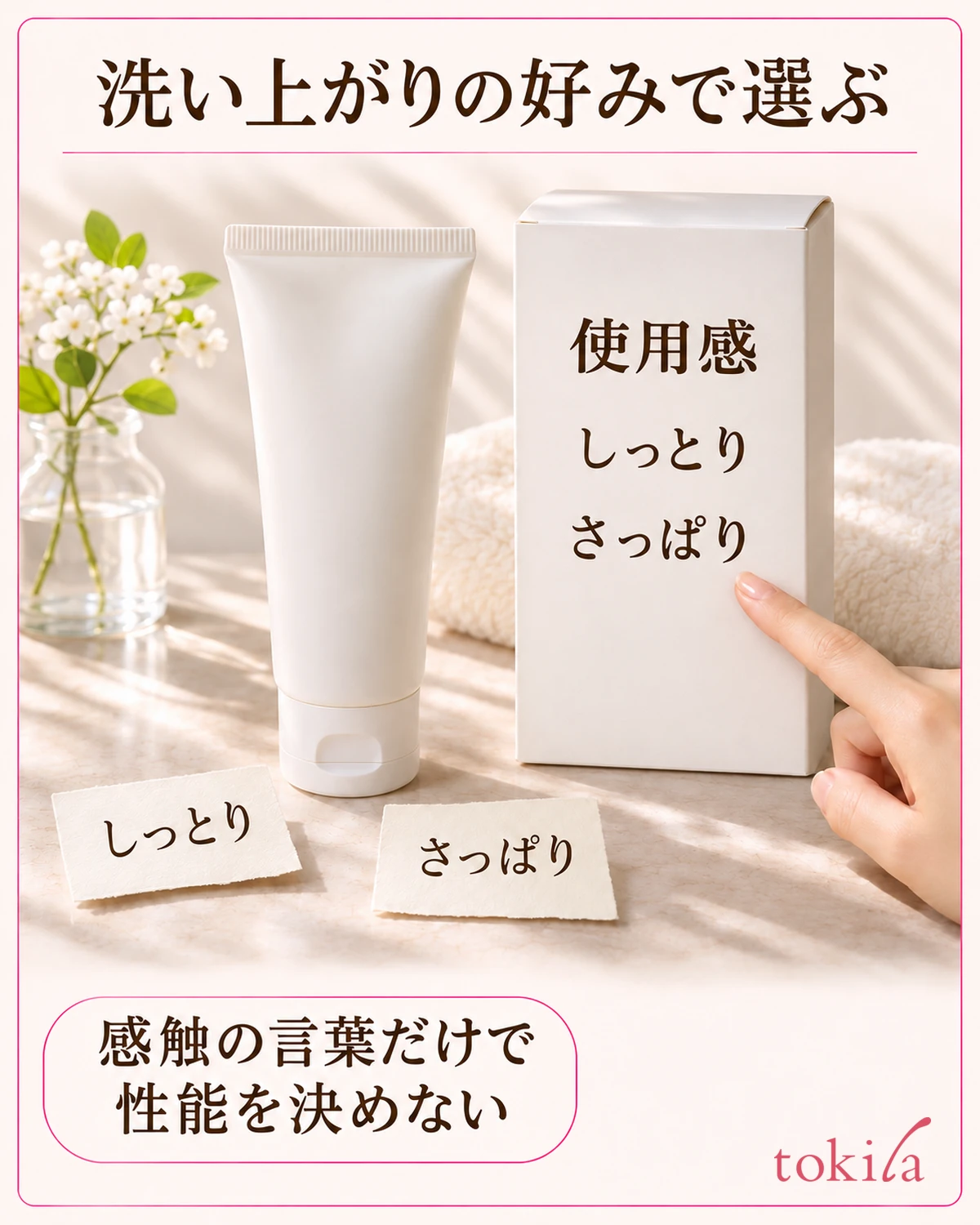
Descriptions such as moisturized or fresh can help you find your preferred after-wash feel. However, these words alone cannot numerically compare cleansing strength or irritation. Avoid assuming that a moisturizing description means less rinsing is needed or that a fresh finish can never suit dry skin.
If fragrance concerns you, check whether it is present and how it is described. If you have been advised to avoid particular ingredients, check the full ingredient list. Finding one ingredient name does not establish how the finished product feels or suits your skin. If a past product did not suit you, keep its name and circumstances as far as you know them to inform your choice.
Read sensitive-skin and tested claims separately from any guarantee that nobody will experience irritation or allergies. If you currently have redness or itching, do not try one facial cleanser after another to solve it; consult a dermatologist or other appropriate professional when needed. This article cannot diagnose your skin condition.
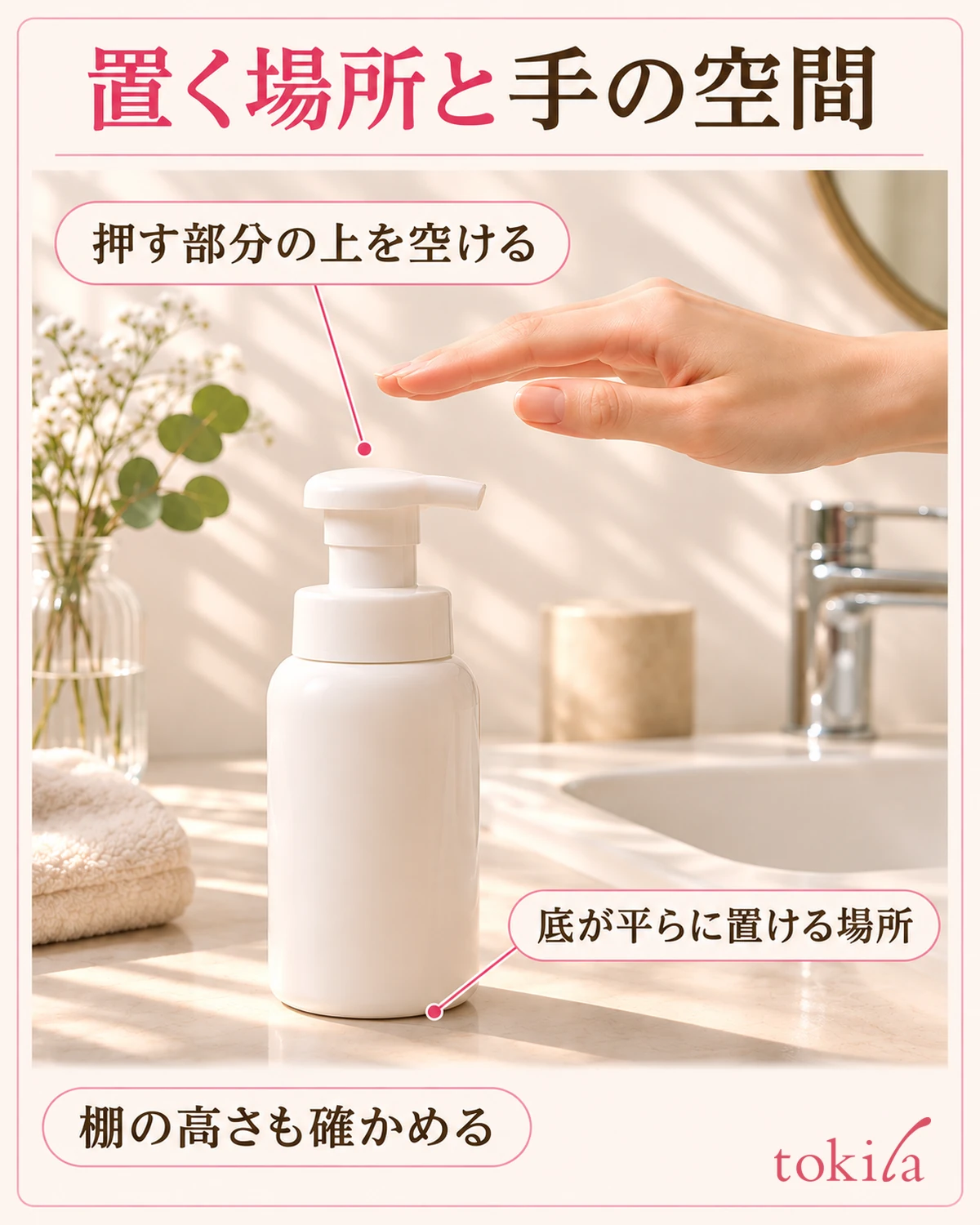
Also check where the container will sit. The supplementary photo shows the base of a pump on a level sink surface and where a hand rests to press it. Fitting under a shelf and having room to press the pump are separate requirements. The photo helps you consider whether you can move one hand where you will actually place it, beyond appearance alone.
Compare price using the labeled amount per use and whether you are buying a complete bottle or a refill, as well as total contents. Do not choose on the assumption that similar-looking contents can be transferred to a different foam pump or diluted with water. If you plan to refill, keep options whose compatible bottle and refill method are clear.
Choose one option and decide what to check when starting
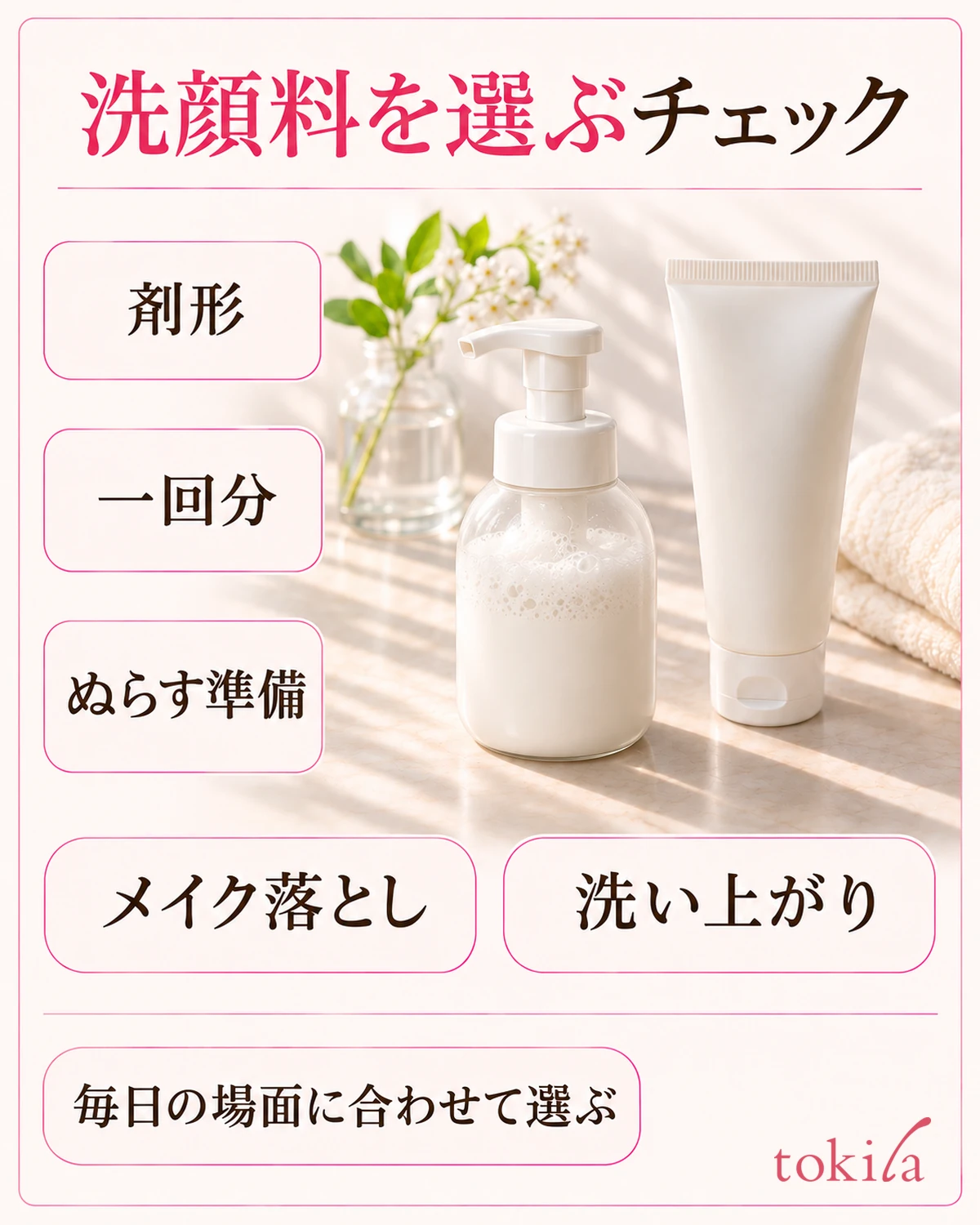
Finally, review format, amount, preparation, its relationship with makeup remover, and your preferred after-wash feel. Rather than giving everything equal scores, return to the situation that first bothered you. Narrow the choices to one you can explain: foam dispensing if morning lathering is burdensome, or a compatible format if you want to keep lathering yourself.
After buying, read the label and start with the recommended preparation and amount. Rinse thoroughly, then press a towel against your skin to absorb water without rubbing. Continue with moisturizing according to your current skincare products' instructions. Changing facial cleanser does not mean you need to replace all your other cosmetics at once.
Keep notes limited to what you actually observed, such as finding the morning pump easy to press or dispensing too much while measuring the recommended amount. Do not conclude that pores or skin type improved from foam size or a single sensation. If use is confusing, check one condition at a time against the directions, such as dispensing or moisture.
If tightness after washing bothers you, reviewing cleansing conditions and the transition to moisturizing may also help. However, stop use if abnormalities such as redness, swelling, itching, or irritation occur, and consult a dermatologist or other appropriate professional when needed. Enduring discomfort until you get used to a product is not an adjustment to how you use it.